

-

Stocks vs Funds: Six Different Ways They Impact Your Portfolio
-
40 Memorial Day Deals and Discounts
-

The 401(k) Option Few Plans Offer, But Most People Want
-

Tax Reconciliation Bill Could Trigger $500 Billion in Mandatory Medicare Cuts
-

Is the Stock Market Open on Memorial Day?
-

Is Your Smartphone Making Your Car Insurance More Expensive?


Investing

-

Nvidia Earnings: Live Updates and Commentary May 2025
Nvidia's earnings event is less than a week away, and investors are keyed into the AI bellwether's results.
-
All 30 Dow Jones Stocks Ranked: Buy, Sell or Hold?
blue chip stocks UnitedHealth Group, Nvidia and Amazon.com are Wall Street's top Dow Jones stocks to buy now. Some other names might surprise you.
-

A Case Study in Mismatched Fund Returns
Stock Market Why do a fund's returns sometimes differ from its underlying index? A longstanding legal principle holds the key.


Personal Finance

-

7 Ways to Splurge on Yourself, Because Your Kids Will Inherit Enough
Live Large Your kids will have plenty. Enjoy your money in your lifetime.
-

Retirement Reality Check: Four Risks You'll Want to Avoid at All Costs
There's no crystal ball for retirement planning, but the closest thing could be to consider the key risks you'll face in retirement and build a plan around them.
-

Eight Ways to Financially Plan Your Way Through Challenging Times
A chief wealth strategist makes some suggestions about how to better position yourself financially while coping with economic uncertainty.


Taxes

-
How Are I Bonds Taxed? Nine Common Situations
Bonds Series I bonds are a popular investment that can help you save on taxes, but the federal income tax consequences can be complex.
-
What’s Happening With Trump Tariffs? New Rates and Trade Talks
Tariffs Donald Trump continues to use tariffs as a central tool of his trade policy. Here’s where tariffs stand now.
-

1099-K Reporting Changes Proposed for 2025
Tax Return An IRS 1099-K threshold change will impact millions of tax bills beginning with this filing season. But could a bigger change lie ahead?


Retirement

-
Retirement Reality Check: Four Risks You'll Want to Avoid at All Costs
There's no crystal ball for retirement planning, but the closest thing could be to consider the key risks you'll face in retirement and build a plan around them.
-
Eight Ways to Financially Plan Your Way Through Challenging Times
A chief wealth strategist makes some suggestions about how to better position yourself financially while coping with economic uncertainty.
-

The Cheapest Places To Retire in the US
When you're trying to balance a fixed income with an enjoyable retirement, cost of living is a crucial factor to consider.

Real Estate

-

Ask the Editor — Reader Questions on Gifts, Estate Tax
In this week's Ask the Editor Q&A, we answer tax questions from readers on gifts, the estate tax and stepped-up basis upon death. In our latest Ask the Editor round-up, Joy Taylor, The Kiplinger Tax Letter Editor, answers questions on gifts, the estate tax and stepped-up basis upon death.
In this week's Ask the Editor Q&A, we answer tax questions from readers on gifts, the estate tax and stepped-up basis upon death. -

Save More with Tax Credits for Energy-Efficient Home Improvements While You Still Can
Tax Breaks Energy tax credits for home improvements could go away under the new House GOP tax plan. What to know.
Tax Breaks -
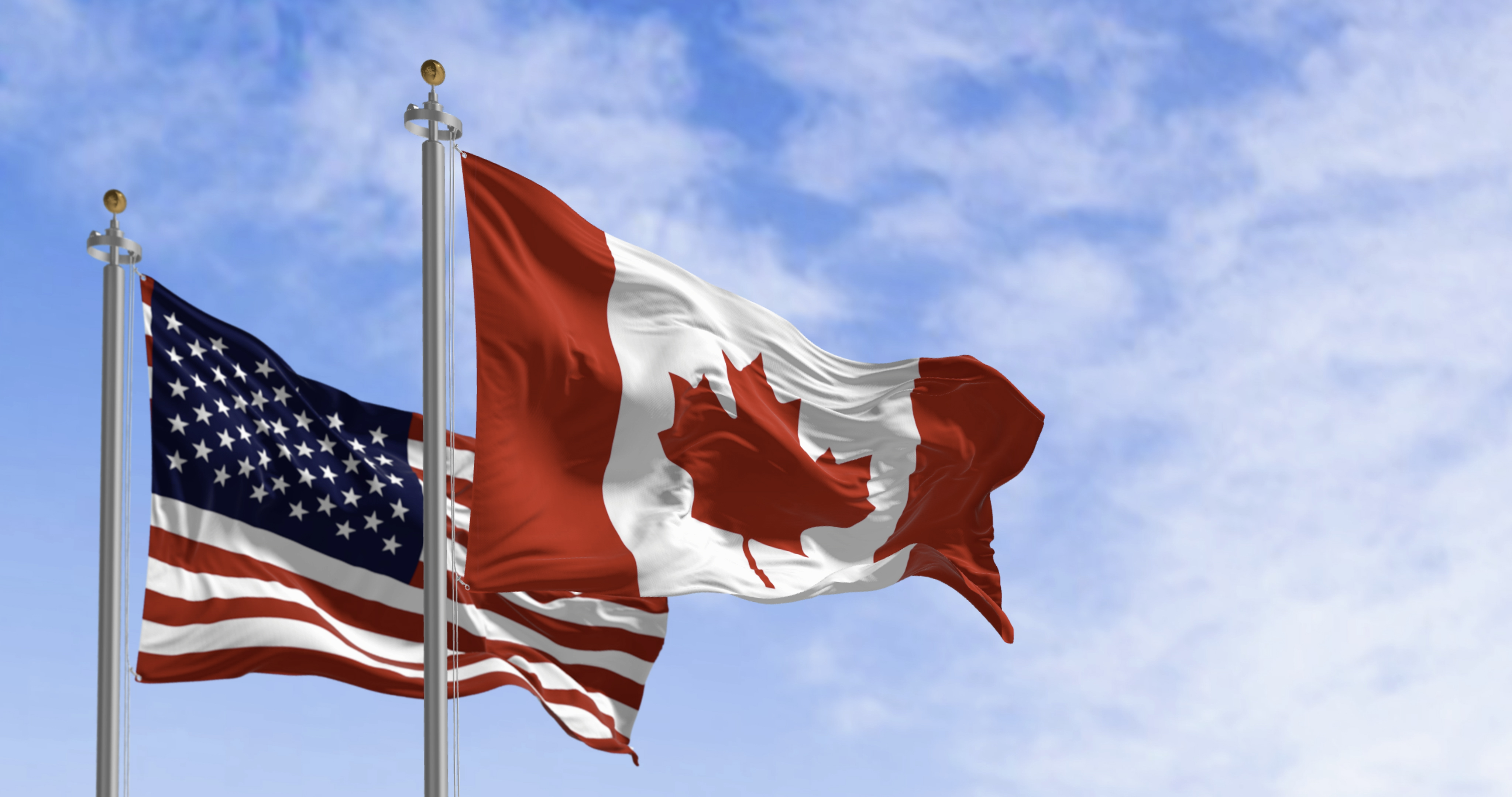
Why Canadian Snowbirds Are Ditching Their US Homes
From rising costs to political tensions, here’s why foreign homeowners are selling and what it could mean for the American economy.


Economic Forecasts

-

AI Goes To School
The Kiplinger Letter Artificial intelligence is rapidly heading to K-12 classrooms nationwide. Expect tech companies to cash in on the fast-emerging trend.
The Kiplinger Letter -

Kiplinger Retail Outlook: Spending Pause is Likely Temporary
Economic Forecasts Retail sales pulled back in January, after a strong December, but may not be out of gas yet.
Economic Forecasts -

Kiplinger Inflation Outlook: Low Number Doesn’t Reflect Tariffs Yet
Economic Forecasts Inflation should rise in the coming months as tariff effects materialize, but less than first expected, now that there is a U.S.-China trade truce.
Economic Forecasts


More from Kiplinger
-
7 Ways to Splurge on Yourself, Because Your Kids Will Inherit Enough
Live Large Your kids will have plenty. Enjoy your money in your lifetime.
Live Large -
Social Security Under Trump Live Updates: Tax Bill Could Trigger $500 Billion in Medicare Cuts and Get Free Expert Advice on Your Retirement Plan
Social Security Blog Social Security is undergoing big changes in 2025 under President Trump. Get live daily news, updates, tips and analysis to help you navigate the developments.
Social Security Blog -

4 Airlines Are Upgrading and Expanding First Class This Year – What to Expect
Luxury travel is getting more luxurious as major U.S. airlines compete for travelers willing to pay more for first class comfort and amenities.
-

Does Cruise Insurance Cover Pirates and Other Unexpected Risks?
How cruise lines handle onboard crime, risky situations at sea and what your travel insurance actually covers.
-
Ask the Editor — Reader Questions on Gifts, Estate Tax
In this week's Ask the Editor Q&A, we answer tax questions from readers on gifts, the estate tax and stepped-up basis upon death. In our latest Ask the Editor round-up, Joy Taylor, The Kiplinger Tax Letter Editor, answers questions on gifts, the estate tax and stepped-up basis upon death.
In this week's Ask the Editor Q&A, we answer tax questions from readers on gifts, the estate tax and stepped-up basis upon death. -

Vacationing With the Grandkids: What Could Go Wrong?
Traveling with your grandkids may be on your bucket list, but before you book the trip, consider the downsides of gramping.


