


Investing

-

Four Do’s and One Don’t to Help Protect Your Inheritance
If you’re lucky enough to inherit a lot of money, keeping these five things in mind, especially knowing the tax implications, could head off some regrets.
-

Four Considerations for Moms Leaving the Workforce
If you want to make the transition from a full-time job to being a stay-at-home mom (or dad), here are some issues to keep in mind.
-

Retired and 'Stuck' With a Mortgage Below 4%? You Have Options
You may feel like a mortgage prisoner, but your options may be more doable than you think.


Personal Finance

-

5 Steps to Take to Get Money Back from a Trip Gone Awry
Five steps to take if travels go awry and you need to get money back.
-
Four Considerations for Moms Leaving the Workforce
If you want to make the transition from a full-time job to being a stay-at-home mom (or dad), here are some issues to keep in mind.
-

15 Reasons You'll Regret an RV in Retirement
Making Your Money Last RV-savvy retirees talk about the downsides of spending retirement in a motorhome, travel trailer, fifth wheel or other recreational vehicle.


Taxes

-

Avoid Retirement Regrets: Five Facts to Learn Now, Not Later
Is your retirement planning full of holes? Unless you fully understand a few key points, you could be setting yourself up for some surprises.
-
Four Do’s and One Don’t to Help Protect Your Inheritance
If you’re lucky enough to inherit a lot of money, keeping these five things in mind, especially knowing the tax implications, could head off some regrets.
-

EV Charger Tax Credit: What You Need to Know
Tax Credits The federal EV charger tax credit is back with a few key changes to know.


Kiplinger Advisor Collective

-

Why Financial Literacy Month Still Isn’t Working
Awareness has its limitations.
-

Worried About Layoffs? Six Steps to Ease Your Financial Fears
Having a plan in place can give you peace of mind during a crisis.
-

11 Tips for Talking to Your Aging Parents About Their Finances and Future Care
Such a sensitive subject requires a careful approach.


Retirement
-
Avoid Retirement Regrets: Five Facts to Learn Now, Not Later
Is your retirement planning full of holes? Unless you fully understand a few key points, you could be setting yourself up for some surprises.
-
Four Do’s and One Don’t to Help Protect Your Inheritance
If you’re lucky enough to inherit a lot of money, keeping these five things in mind, especially knowing the tax implications, could head off some regrets.
-
Four Considerations for Moms Leaving the Workforce
If you want to make the transition from a full-time job to being a stay-at-home mom (or dad), here are some issues to keep in mind.
Economic Forecasts

-
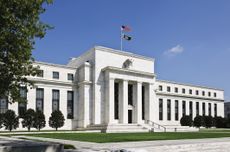
Fed Rate Cuts Still on Hold
The Kiplinger Letter With inflation stubbornly elevated, the Federal Reserve will keep interest rates high for now.
The Kiplinger Letter -

Kiplinger Jobs Outlook: Job Growth Takes a Step Back
Economic Forecasts Job gains may finally be slowing to normal, while wage growth eases below 4%.
Economic Forecasts -

Kiplinger Housing Outlook: Home Prices Continue to Rise
Economic Forecasts High prices and rising mortgage rates weigh on home buyers.
Economic Forecasts


