

-

In Your 50s? We Need to Talk About Long-Term Care
-

How to Get Your Finances Back on Track After a Divorce
-

Donating Complex Assets Doesn't Have to Be Complicated
-
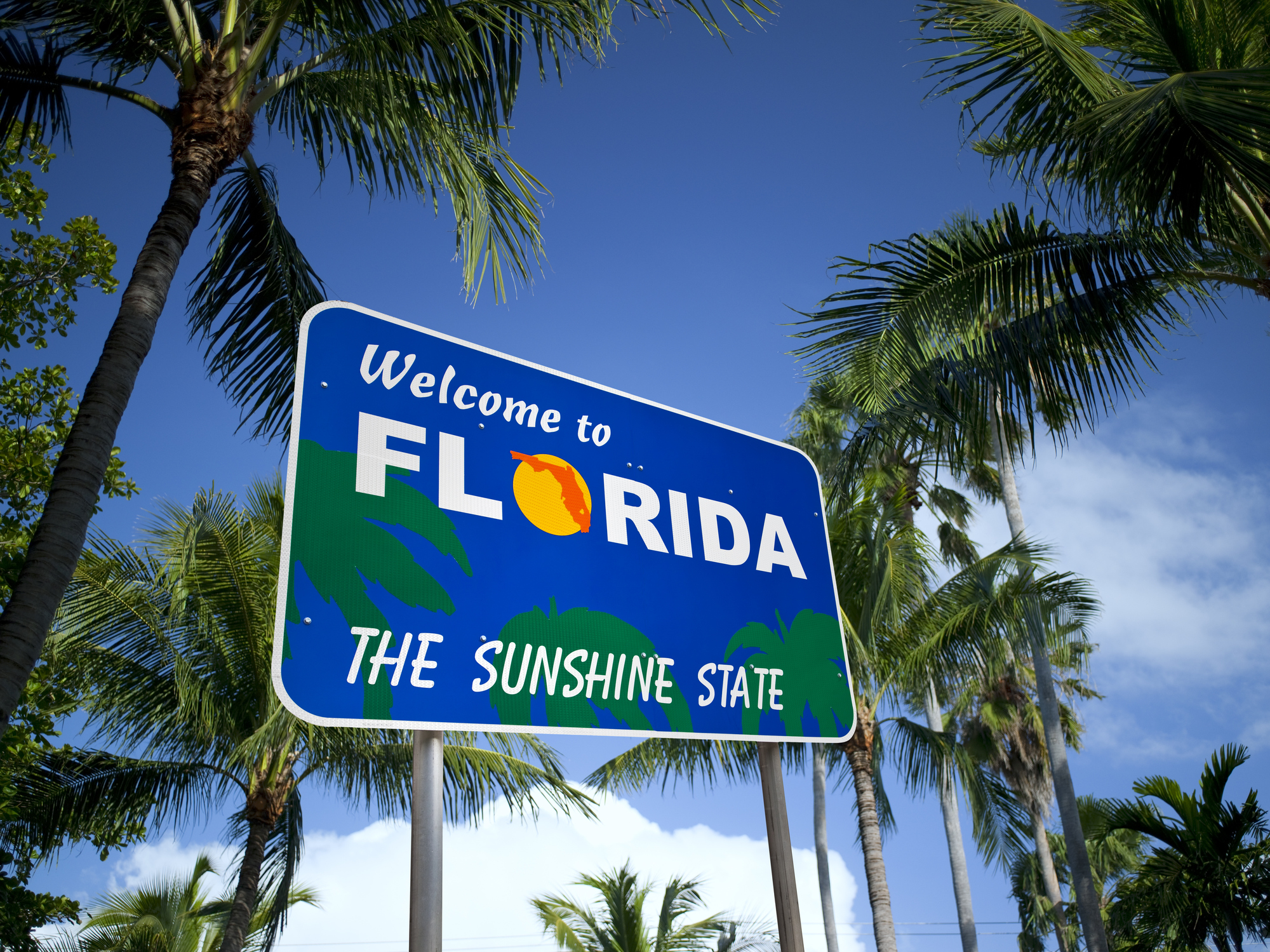
Seven Great Places to Retire in Florida
Retirement -

Travel Trends You Can Expect This Summer
The Kiplinger Letter -

AI Goes To School
The Kiplinger Letter


Investing

-

Analysts' Top S&P 500 Stocks to Buy Now
Amazon.com, Bank of America and Microsoft are just three names making the Street's list of top-rated stocks this month.
-

If You'd Put $1,000 Into IBM Stock 20 Years Ago, Here's What You'd Have Today
IBM IBM stock has been a catastrophe for truly long-term investors.
-

If You'd Put $1,000 Into Disney Stock 20 Years Ago, Here's What You'd Have Today
Disney Long-time market laggard Disney stock has been a buy-and-hold disaster.


Personal Finance

-

Eight Ways To Save on Your Next Luxury Trip
Looking for ways to stretch your retirement dollars? Follow these tips to get a deal on your next vacation.
-

Walmart Raising Prices Soon — Here’s Which Products Will Cost You More This Summer
If you heard about Walmart raising prices, here are the key details you need to know ahead of your next shopping trip.
-

How to Budget for College Expenses Beyond Tuition
Some universities waive tuition for families with incomes below a certain threshold. But you'll still need a plan to cover other costs.


Taxes

-

Trump's ‘One Big, Beautiful Bill’ With Trillions in Tax Cuts: GOP Budget Vote
Tax Policy Is it possible to combine taxes, border security, and energy policy into a single piece of legislation to be passed by Independence Day?
-

Think a Repeal of the Estate Tax Wouldn't Affect You? Wrong
The wording of any law that repeals or otherwise changes the federal estate tax could have an impact on all of us. Here's what you need to know, courtesy of an estate planning and tax attorney.
-
SALT Cap Increase? What to Expect in 2025 Tax Reform
Tax Deductions Some lawmakers say it’s past time to increase the $10,000 cap on state and local tax deductions, and President Trump seems to agree.


Retirement
-
Eight Ways To Save on Your Next Luxury Trip
Looking for ways to stretch your retirement dollars? Follow these tips to get a deal on your next vacation.
-

I'm 65, with $1.2 million saved and a paid-off $1.3 million rental property. Should I sell, or keep it for income?
Should I be a landlord in retirement?
-
Think a Repeal of the Estate Tax Wouldn't Affect You? Wrong
The wording of any law that repeals or otherwise changes the federal estate tax could have an impact on all of us. Here's what you need to know, courtesy of an estate planning and tax attorney.

Real Estate

-
I'm 65, with $1.2 million saved and a paid-off $1.3 million rental property. Should I sell, or keep it for income?
Should I be a landlord in retirement?
-

Retire in Costa Rica for Expat Heaven
When you retire in Costa Rica, you get natural beauty, ease of relocation and affordability. Will you become a part of its thriving expat community?
-
Ask the Editor, May 16 — Reader Questions on Capital Gains
In our latest Ask the Editor round-up, Joy Taylor, The Kiplinger Tax Letter Editor, answers three questions from readers on capital gains.


Economic Forecasts

-

Kiplinger Inflation Outlook: Low Number Doesn’t Reflect Tariffs Yet
Economic Forecasts Inflation should rise in the coming months as tariff effects materialize, but less than first expected, now that there is a U.S.-China trade truce.
Economic Forecasts -

Kiplinger Trade Outlook: Trade Gap Expands in March to Record Level
Forecasts Kiplinger's latest forecast on trade: U.S. exports, imports and our net trade deficit.
Forecasts -

Kiplinger Interest Rates Outlook: Rates in a Narrow Band Until Data Show a Slowing Economy
Forecasts A weaker economy should nudge rates lower, outweighing inflation concerns, but no major move is expected unless a recession hits.
Forecasts


More from Kiplinger

-

Swipe Surcharge: How to Avoid Gas Station Credit Card Surcharges
Some gas stations are charging up to $1 more per gallon for credit card payments. Learn how to spot these fees and save on fuel.
-

15 Reasons You'll Regret an RV in Retirement
Making Your Money Last Here's why you might regret an RV in retirement. RV-savvy retirees talk about the downsides of spending retirement in a motorhome, travel trailer, fifth wheel, or other recreational vehicle.
Making Your Money Last -
Ask the Editor, May 16 — Reader Questions on Capital Gains
In our latest Ask the Editor round-up, Joy Taylor, The Kiplinger Tax Letter Editor, answers three questions from readers on capital gains.
-

Delta’s New Fare Changes: What Travelers Need to Know
Here’s what travelers need to know about Delta’s fare changes before booking their next flight.
-

Social Security Under Trump Live Updates: Average Social Security Claiming Age is Trending Higher and the Ticket to Work Program Turns 25
Social Security Blog Social Security is undergoing big changes in 2025 under President Trump. Get live daily news, updates, tips and analysis to help you navigate the developments.
Social Security Blog -

United Airlines Raises the Bar with New Business Class Suites
Discover how United's new Polaris Studio suites redefine luxury and comfort on long-haul flights.


