

-
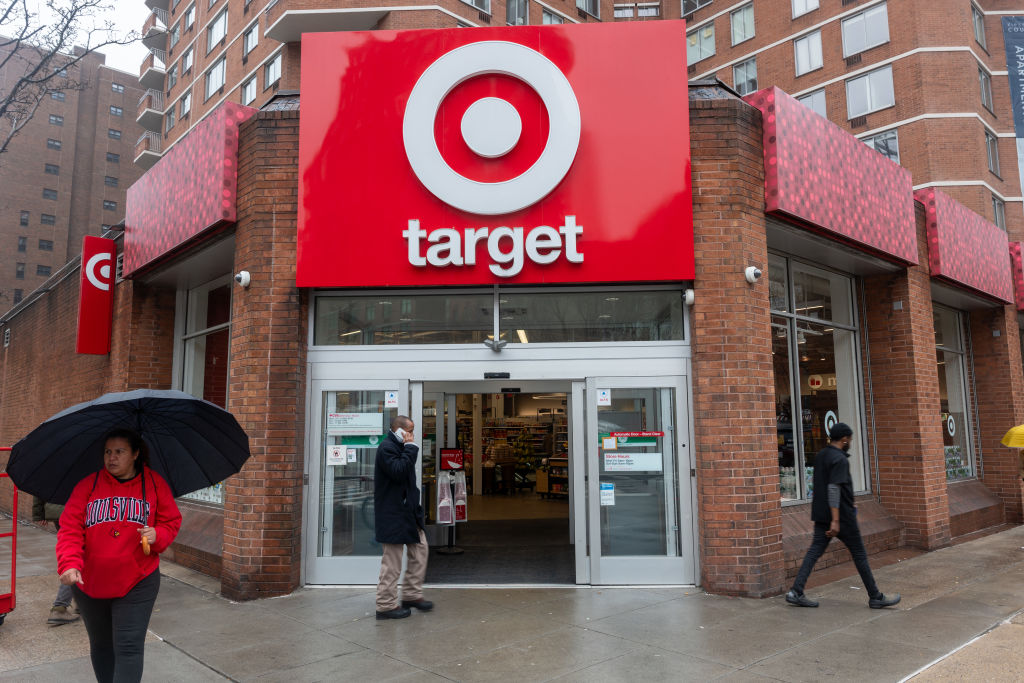
Target's Price-Matching Policy is Changing. Here's How
-

Denmark Raised the Social Security Age to 70. Should the US Do the Same?
-
Did Your Social Security Check Get Smaller? What Garnishment Rules Mean for You
-

Will 2025 Be a Good Year to Sell Your House?
-

6 of the Best Small-Cap ETFs to Buy Now
ETFs -

Kiplinger's Economic Calendar for This Week


Investing

-

How the Stock Market Performed in the First 6 Months of Trump's Second Term
Six months after President Donald Trump's inauguration, take a look at how the stock market has performed.
-

A Financial Planner's Prescription for the Headache of Multiple Retirement Accounts
Having a bunch of retirement accounts can cause unnecessary complications. Consolidation can make it easier to manage your savings and potentially improve investment outcomes.
-

Overpaying for Financial Advice? A Financial Planner's Guide to Fees
Take five minutes to review how much you're paying for financial advice. If you're overpaying, you could be better off with an adviser who charges a flat fee.


Personal Finance

-

Revenge Saving: Get Even With the Old You Who Blew the Budget
From post-pandemic spending to rising prices, Americans are saving with new urgency. Here's how to channel that momentum into lasting change.
-

Your Online Security: 10 Things You Should Know
Online security is more tenuous given the rise of AI. Arm yourself against internet criminals with these tips to strengthen online security.
-

Thinking of a New Car in Retirement? Why GM's Latest News Matters
The retirement car conundrum: buy outright or finance your next ride?


Taxes

-
A Financial Planner's Prescription for the Headache of Multiple Retirement Accounts
Having a bunch of retirement accounts can cause unnecessary complications. Consolidation can make it easier to manage your savings and potentially improve investment outcomes.
-

Trump Targets Student Loan Forgiveness: Here’s How Taxes and Repayment Could Soon Change
Student Loans The so-called One Big Beautiful Bill and the Trump administration’s executive action are making the future of student loan forgiveness and its tax consequences uncertain.
-

A Guide to Personalizing Your Retirement Plan for Maximum Impact
This strategy challenges conventional retirement rules of thumb by combining traditional savings, home equity and annuities to provide higher income and liquid savings and help cover long-term care costs.


Retirement

-
A Financial Planner's Prescription for the Headache of Multiple Retirement Accounts
Having a bunch of retirement accounts can cause unnecessary complications. Consolidation can make it easier to manage your savings and potentially improve investment outcomes.
-
Overpaying for Financial Advice? A Financial Planner's Guide to Fees
Take five minutes to review how much you're paying for financial advice. If you're overpaying, you could be better off with an adviser who charges a flat fee.
-

The Big Red Bucket Theory: A Financial Adviser's Simple Way to Visualize Your Retirement Plan
When you think about retirement, picture a big red bucket brimming with all the money you've saved. It's everything you've got, and it has to last you.

Real Estate

-
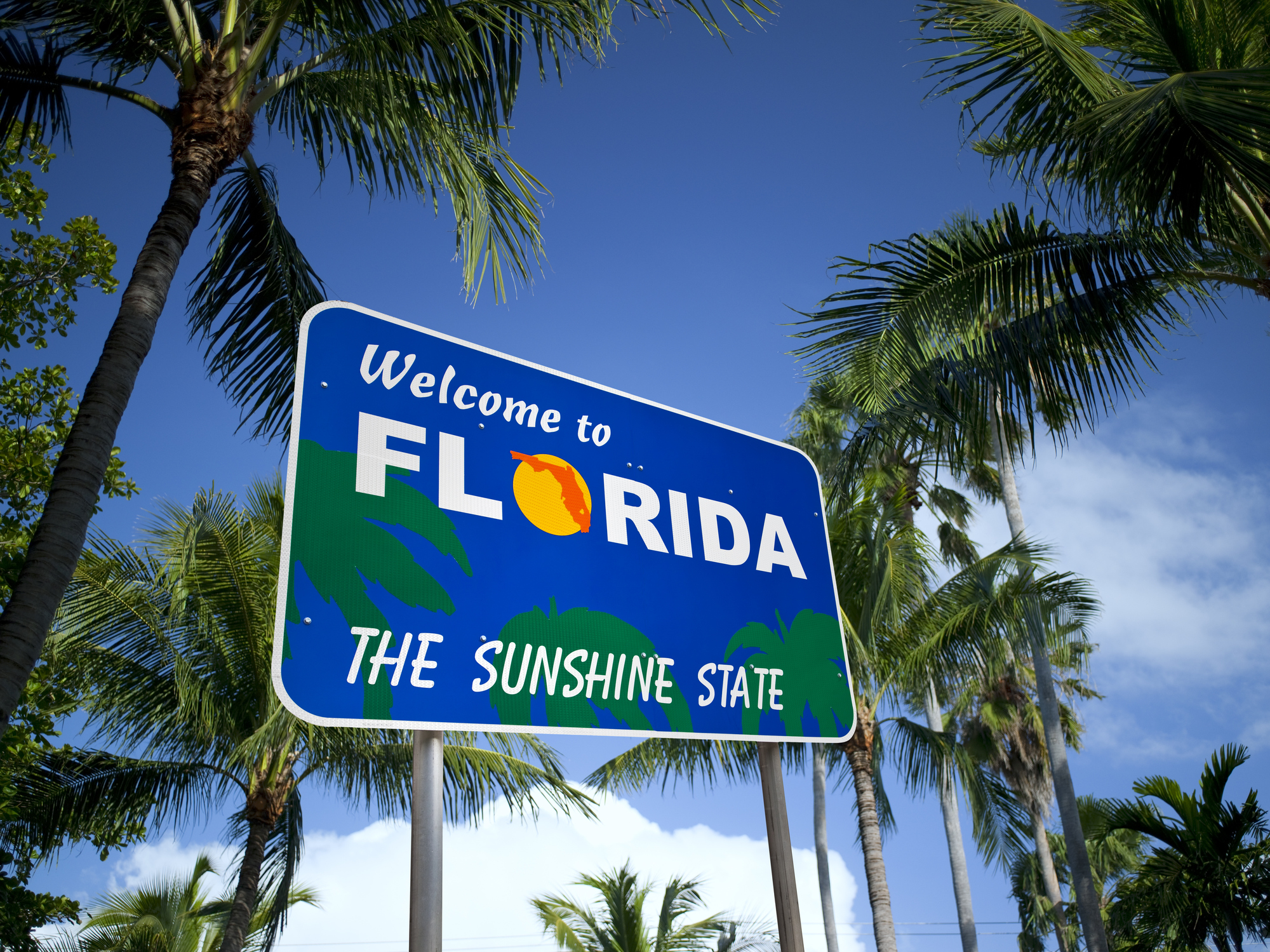
Seven Great Places to Retire in Florida
Retirement The Sunshine State remains a beacon for retirees, offering warm weather, sandy beaches, and a relatively low cost of living. Here's a look at where to live.
Retirement -

Four Real Stories of Families Who Faced Down Natural Disasters
Four families whose homes were damaged or destroyed share their stories.
-

Seven Financial Considerations When Downsizing for Retirement
With prices going up on everything, you may be looking for a cheaper place to live. To truly evaluate costs, take a hard look at taxes and intangibles.


Economic Forecasts

-

AI-Powered Smart Glasses Set to Make a Bigger Splash
The Kiplinger Letter Meta leads the way with its sleek, fashionable smart glasses, but Apple reportedly plans to join the fray by late 2026. Improved AI will lure more customers.
The Kiplinger Letter -

Exports have held up reasonably well despite tariff disputes
Forecasts Kiplinger's latest forecast on trade: U.S. exports, imports and our net trade deficit.
Forecasts -

Can the U.S. Break China's Stranglehold on Critical Minerals?
The Letter China is using its near-monopoly on critical minerals to win trade concessions. Can the U.S. find alternate supplies?
The Letter


More from Kiplinger

-

How the New $250 Visa Integrity Fee Could Impact US Travelers
A new $250 visa integrity fee will soon be levied on some visitors to the US. The ripple effect could impact Americans, too.
-

GM Not Planning to Raise Car Prices Despite Tariff Hit, CFO Says
Car Prices GM stock's second-quarter earnings said the company took a $1 billion hit from tariffs, but the CFO said they won't raise prices on cars.
Car Prices -

21 Countries the US Says You Shouldn't Travel To Right Now
Planning a trip abroad? The U.S. State Department advises Americans to avoid these 21 countries due to war, terrorism, and wrongful detention. Check the list before you book.
-

How to Use Your Cell Phone on a Cruise
Avoid surprise charges and stay connected at sea with these expert tips on how to use a cell phone on a cruise.
-

5 Steps to Take to Get Money Back from a Trip Gone Awry
Five steps to take if travels go awry and you need to get money back.
-

Best Places to Visit Where the Dollar Is Strong
From the Americas and Europe to Africa and Asia, we list the 10 best places to travel to where the U.S. dollar is the strongest.


