

-

If You'd Put $1,000 Into Disney Stock 20 Years Ago, Here's What You'd Have Today
Disney -

Should Your 401(k) Be Eliminated to Save Social Security Benefits?
Retirement Savings -

10 States With the Highest Sales Taxes
Sales Taxes -

Six Travel Mistakes to Avoid
-

Reddit Stock Rises After First Post-IPO Earnings Report
-

I Asked an Unresponsive Lawyer if He Was OK, and He Woke Up


Investing

-

Stock Market Today: Dow's Winning Streak Hits Seven Straight Days
The main indexes rose Thursday as higher-than-expected weekly jobless claims boosted rate-cut expectations.
-

When is the Next CPI Report?
CPI Reports When does the next CPI report land and what inflation rate is expected?
-

If You'd Put $1,000 Into Microsoft Stock 20 Years Ago, Here's What You'd Have Today
Microsoft Microsoft has been an astounding buy-and-hold bet.


Personal Finance

-
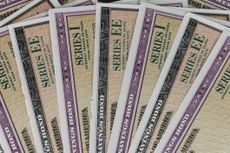
The Benefits of I Bonds vs EE Bonds To Store Your Savings
All of the information you'll need to choose between Series I and EE savings bonds.
-
When is the Next CPI Report?
CPI Reports When does the next CPI report land and what inflation rate is expected?
-

Eight Ways Seniors Can Save on Car Insurance
Auto insurance premiums get more expensive for seniors at age 75. With rates already high in many states, finding ways to save can be crucial, and many insurers offer discounts.


Taxes

-
What’s in DeSantis’ $1.07 Billion Florida Tax Relief Bill?
State Tax A new Florida tax relief package defines 2024 sales tax holidays and cuts taxes for families and businesses.
-

How Will the 2024 Election Impact Your Retirement?
Investors should expect volatility but also try not to overreact to news. To prepare, focus now on tax minimization, protecting your portfolio and more.
-

Will the California Supreme Court Let Voters Decide Tax Hikes?
State Tax A controversial ballot initiative could restrict future taxes and tax hikes in the Golden State.


Kiplinger Advisor Collective

-

Why Financial Literacy Month Still Isn’t Working
Awareness has its limitations.
-

Worried About Layoffs? Six Steps to Ease Your Financial Fears
Having a plan in place can give you peace of mind during a crisis.
-

11 Tips for Talking to Your Aging Parents About Their Finances and Future Care
Such a sensitive subject requires a careful approach.


Retirement

-

Afraid to Retire? How to Overcome Your Fear and Enjoy Retirement
Even with a well-funded nest egg, giving up a paycheck is hard. Here's how to start the journey.
-

13 Smart Estate Planning Moves
retirement Follow this estate planning checklist for you (and your heirs) to hold on to more of your hard-earned money.
-

Guide to Military Benefits for Retirement, Pay and Savings
Benefits for those who serve in the U.S. military can sometimes be complex and confusing. Here’s what to know about how to optimize some of them.


Economic Forecasts

-
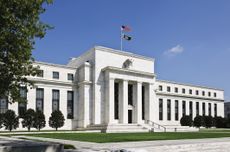
Fed Rate Cuts Still on Hold
The Kiplinger Letter With inflation stubbornly elevated, the Federal Reserve will keep interest rates high for now.
The Kiplinger Letter -

Kiplinger Jobs Outlook: Job Growth Takes a Step Back
Economic Forecasts Job gains may finally be slowing to normal, while wage growth eases below 4%.
Economic Forecasts -

Kiplinger Housing Outlook: Home Prices Continue to Rise
Economic Forecasts High prices and rising mortgage rates weigh on home buyers.
Economic Forecasts


