

-

If You'd Put $1,000 Into Disney Stock 20 Years Ago, Here's What You'd Have Today
Disney -

Should Your 401(k) Be Eliminated to Save Social Security Benefits?
Retirement Savings -

10 States With the Highest Sales Taxes
Sales Taxes -

Six Travel Mistakes to Avoid
-

Reddit Stock Rises After First Post-IPO Earnings Report
-

I Asked an Unresponsive Lawyer if He Was OK, and He Woke Up


Investing

-

Uber Earnings Miss Sends Stock Spiraling
Uber Technologies reported an unexpected first-quarter loss, sending shares lower Wednesday. Here's what you need to know.
-

Best Dividend Stocks for Dependable Dividend Growth
dividend stocks The highest yield isn't everything when it comes to finding the best dividend stocks. Income investors know there's no substitute for regular dividend increases over the long haul.
-

How Will the 2024 Election Impact Your Retirement?
Investors should expect volatility but also try not to overreact to news. To prepare, focus now on tax minimization, protecting your portfolio and more.


Personal Finance

-

Worried About Layoffs? Six Steps to Ease Your Financial Fears
Having a plan in place can give you peace of mind during a crisis.
-

How to Navigate an Extra-Busy Summer Travel Season
The Kiplinger Letter Tips for beating the exceptional crowds expected this year and keeping your vacation budget manageable.
-

40 Discounts, Deals and Freebies to Celebrate National Nurses Week
Celebrate National Nurses Week May 6 - 12 with deals from Costco, Verizon, Carhart, Figs and Green Chef.


Taxes

-
How Will the 2024 Election Impact Your Retirement?
Investors should expect volatility but also try not to overreact to news. To prepare, focus now on tax minimization, protecting your portfolio and more.
-

Will the California Supreme Court Let Voters Decide Tax Hikes?
State Tax A controversial ballot initiative could restrict future taxes and tax hikes in the Golden State.
-

The (R)evolution of Retirement Income Planning
With AI on the horizon to enable the optimization of retirement income plan choices, the retirement fortunes of retirees are about to improve.


Kiplinger Advisor Collective
-
Worried About Layoffs? Six Steps to Ease Your Financial Fears
Having a plan in place can give you peace of mind during a crisis.
-

11 Tips for Talking to Your Aging Parents About Their Finances and Future Care
Such a sensitive subject requires a careful approach.
-

The Critical Advantage of Early Year Tax Planning for Businesses
Tax planning is an essential part of managing a business that should be done year-round rather than just at the end of the year.


Retirement

-

How Women Can Increase Odds of Saving Enough for Retirement
Pursuing financial literacy and taking advantage of savings opportunities, such as employer-offered 401(k)s, can give women saving for retirement a leg up.
-

11 Things You Need to Know About Medicare
Medicare There's Medicare Part A, Part B, Part D, Medigap plans, Medicare Advantage plans and so on. We sort out the confusion about signing up for Medicare — and much more.
-

What You’ll Pay for Medicare in 2024
Medicare premiums are updated yearly and in 2024 premiums for Part B and Part B increased slightly after falling in 2023.


Economic Forecasts

-
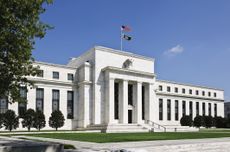
Fed Rate Cuts Still on Hold
The Kiplinger Letter With inflation stubbornly elevated, the Federal Reserve will keep interest rates high for now.
The Kiplinger Letter -

Kiplinger Jobs Outlook: Job Growth Takes a Step Back
Economic Forecasts Job gains may finally be slowing to normal, while wage growth eases below 4%.
Economic Forecasts -

Kiplinger Housing Outlook: Home Prices Continue to Rise
Economic Forecasts High prices and rising mortgage rates weigh on home buyers.
Economic Forecasts


