

-
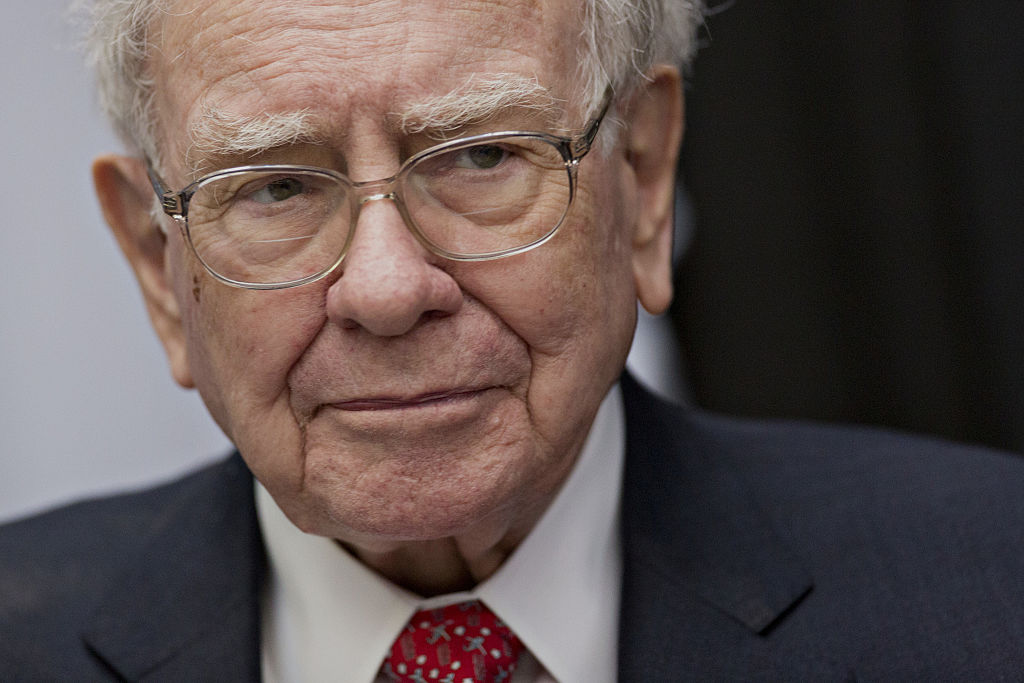
What Set Warren Buffett Apart
-

Should You Retire Now or Work Five More Years?
-
Social Security Planning Strategies and Challenges as It Hits Its 90th Year: A Financial Adviser's Guide
-

Bullish, Deere and dLocal: Thursday's Biggest Movers
-

5 Dividend Growth ETFs to Buy
-
How the 2025 Child Tax Credit Rules Impact Single Parents
Tax Credits


Investing

-

Five Things Federal Employees Should Know for Retirement
Knowing the ins and outs of retirement is challenging, especially for federal government employees.
-

Best High-Yield ETFs to Buy Now
These high-yield ETFs screen for stocks paying outsized yields. Here's how to evaluate which one is best for your portfolio.
-

Kiplinger Inflation Outlook: The Fed’s Quandary
Economic Forecasts Will the modest rise in services inflation prevent the Federal Reserve from cutting interest rates at its next meeting?


Personal Finance

-
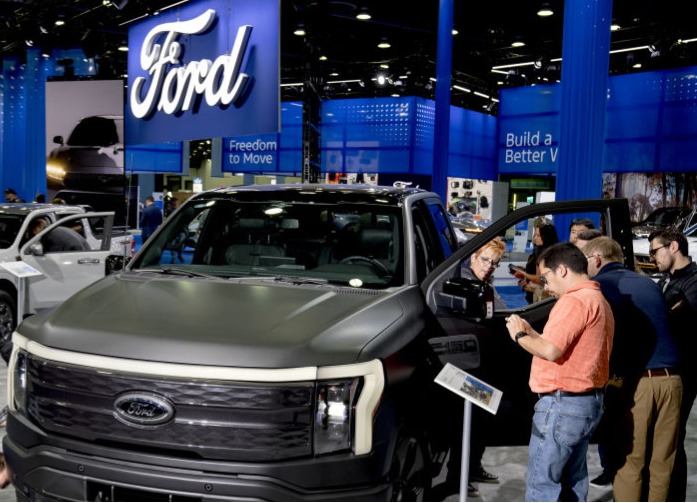
Ford Bets on a "Model T Moment" with $30K Electric Pickup
A sleek new Universal EV platform promises affordable, efficient electric pickups. Ford’s bet on streamlined manufacturing to deliver both value and profit.
-

The Best Travel Rewards Credit Cards for You
credit cards Pack your bags and earn rewards for traveling. We chose the best cards for airline, hotel and other perks to help you save money.
-

Hilton Honors Card Bonus Offer Worth up to $780
Earn up to 130,000 Hilton Honors bonus points with the American Express Surpass Card.


Taxes

-
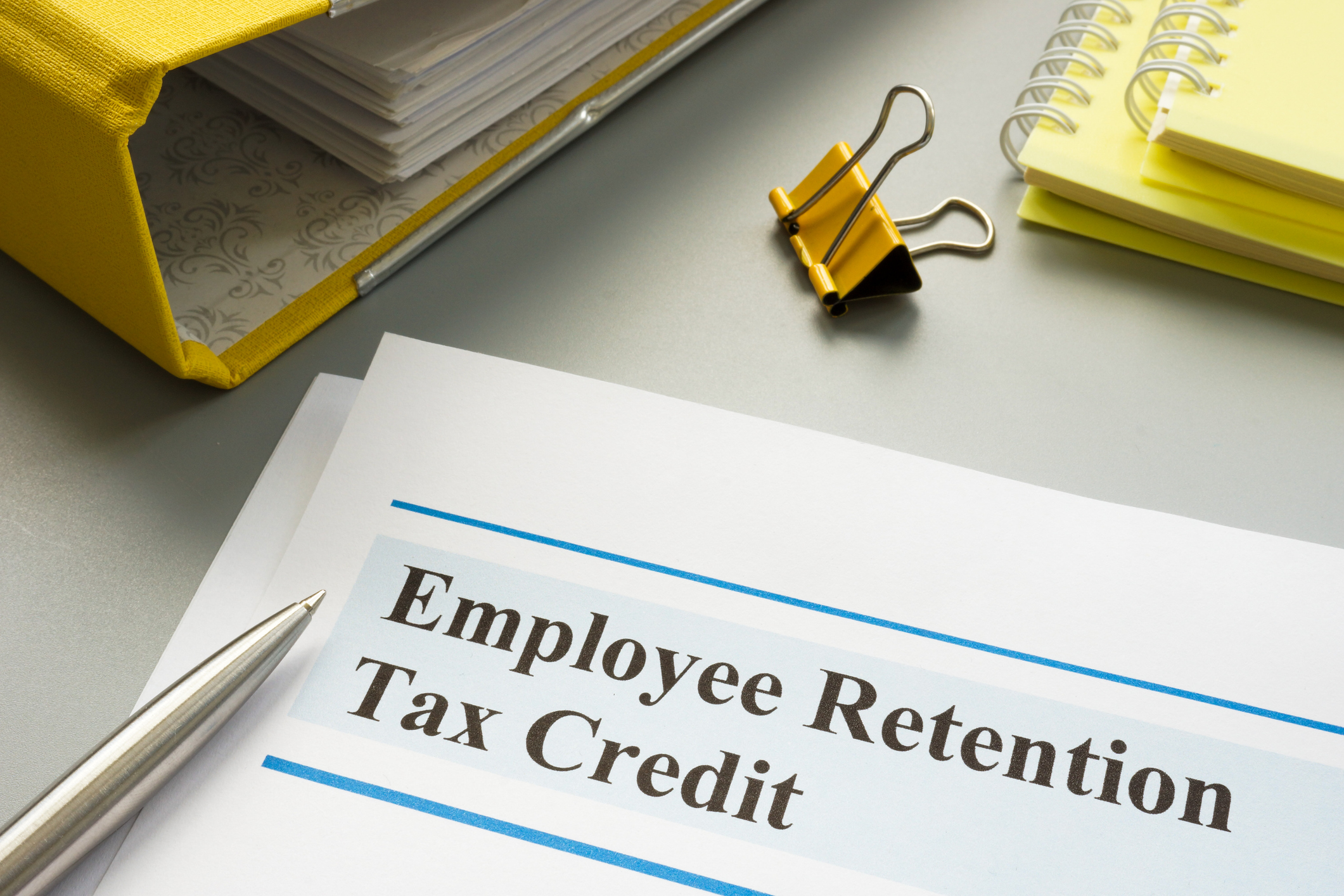
Are Employee Retention Credit Refunds at Risk Under Trump's Tax Agenda?
Tax Credits Trump's new legislation will bar many small-to-mid-size businesses from claiming the pandemic-era ERC.
-

The Fall Garden Tax? What to Plant and How to Prepare
Tax Tips Fall gardening could increase your taxes this season. Here’s what to know while planting in 2025.
-
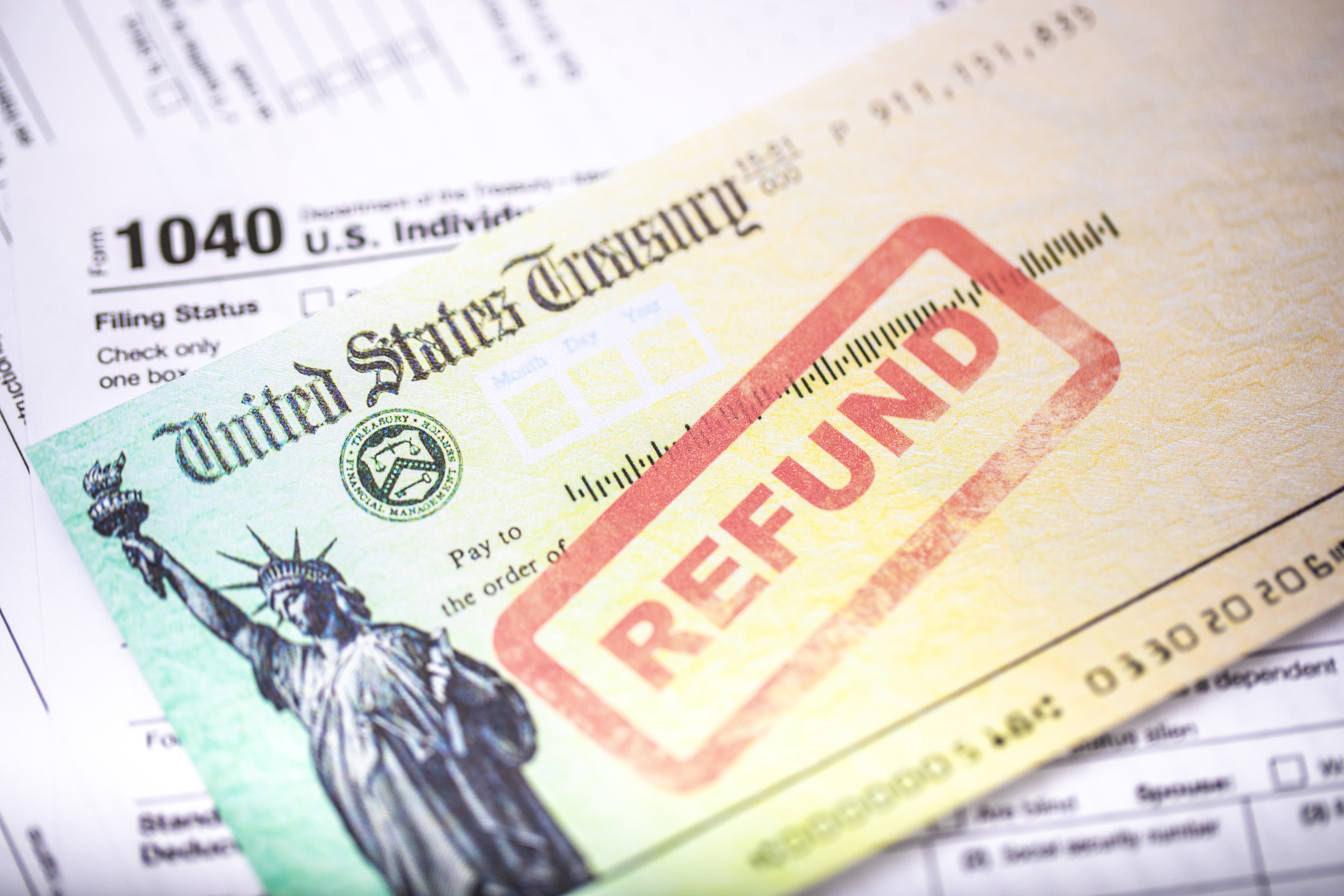
IRS Income Tax Refund Schedule 2025: When Will Your Refund Arrive?
Tax Refunds Where is your IRS tax refund? Well, it may be arriving sooner than you think.


Retirement

-
Five Things Federal Employees Should Know for Retirement
Knowing the ins and outs of retirement is challenging, especially for federal government employees.
-

How a Part-Time Job in Retirement Can Boost Your Social Life
A part-time job in retirement, like walking dogs or helping with home projects, can combat loneliness by sparking new friendships and boosting your social life.
-

How Much Will Social Security's 2033 Shortfall Cost You?
The Social Security trust fund will be insolvent in 2033 and by 2035 will have to reduce benefits by 23%. Here is now much more you need to save to cover the potential shortfall.


Real Estate

-

DST Exit Strategies: An Expert Guide to What Happens When the Trust Sells
Understanding the endgame: How Delaware statutory trust dispositions work, what investors can expect and why the exit is probably more important than the entrance.
-

Think Selling Your Home 'As Is' Means You'll Have No Worries? Think Again
There are significant risks and legal obligations involved in selling a home 'as is' and by yourself, without a real estate agent.
-

Should You Buy a Second Home When You Retire?
Buying a second home in retirement, especially with sufficient savings, can enhance your lifestyle or serve as a smart investment. But it requires careful planning.


Economic Forecasts

-
Kiplinger Housing Outlook: Home Price Growth Falls
Economic Outlooks Existing home sales remain weak due to high financing costs.
Economic Outlooks -

How to Adopt AI and Keep Employees Happy
The Kiplinger Letter As business adoption of AI picks up, employee morale could take a hit. But there are ways to avoid an AI backlash.
The Kiplinger Letter -
Kiplinger Jobs Outlook: Labor Market Strength Surprises
Economic Forecasts Strong job growth in September and revisions to July and August indicate the labor market’s weakness was overstated.
Economic Forecasts


More from Kiplinger

-
Hilton Honors Card Bonus Offer Worth up to $780
Earn up to 130,000 Hilton Honors bonus points with the American Express Surpass Card.
-
Kiplinger Inflation Outlook: The Fed’s Quandary
Economic Forecasts Will the modest rise in services inflation prevent the Federal Reserve from cutting interest rates at its next meeting?
Economic Forecasts -
20 Secrets to Shopping at Costco
Smart Buying Get the most out of your Costco membership by taking advantage of lesser-known perks and hidden deals.
Smart Buying -

Trump-Era Regulations Will Ease Access to Crypto
The Kiplinger Letter The president wants to make the U.S. the leader in digital assets.
The Kiplinger Letter -

Do Baby Boomers Spend More on Travel? What You Can Learn from Each Generation
Baby Boomers lead in travel spending, but younger travelers may be getting better value. See how older travelers compare with younger ones — and what each generation can learn about smarter travel.
-
Your Retirement Side Hustle Starter Kit: The Essential Tools and Apps You Need
Check out seven awesome tools and apps to jumpstart your retirement side hustle with confidence.


