Are You an Auto Theft Target? Discover the Clues
Thieves seized more than 650,000 cars last year. See which models, states and behaviors draw the eyes of opportunists.


Having your car stolen is an unfortunate reality for hundreds of thousands of vehicle owners each year. But after a pandemic-era surge in auto thefts, the numbers are moving sharply in the right direction.
Vehicle thefts across the United States fell 23% in 2025, according to the National Insurance Crime Bureau (NICB). A total of 659,880 vehicles were reported stolen, the lowest level in several decades. The decline follows a 17% drop in 2024, which at the time was the largest decrease in vehicle thefts in 40 years.
Even with thefts falling nationwide, where you live and what you drive can affect your risk. We'll look at the states with the most thefts, the vehicles thieves target most often and how theft can affect your car insurance rates.
From just $107.88 $24.99 for Kiplinger Personal Finance
Become a smarter, better informed investor. Subscribe from just $107.88 $24.99, plus get up to 4 Special Issues

Sign up for Kiplinger’s Free Newsletters
Profit and prosper with the best of expert advice on investing, taxes, retirement, personal finance and more - straight to your e-mail.
Profit and prosper with the best of expert advice - straight to your e-mail.
States with the highest, lowest increase in auto thefts
Where you live matters when it relates to auto theft.
Here's a look at the five states with the largest increase in theft rates, with all data for these tables provided by the NICB:
Rank |
State |
2025 total vehicle thefts |
|---|---|---|
1 |
California |
136,988 |
2 |
Texas |
75,269 |
3 |
Illinois |
28,327 |
4 |
Florida |
27,142 |
5 |
New York |
24,206 |
Alternatively, here are the five areas that had the highest decrease in auto thefts last year:
Rank |
State |
Percentage change |
|---|---|---|
1 |
Washington |
-39% |
2 |
Colorado |
-35% |
3 |
Puerto Rico |
-34% |
4 |
South Dakota |
-32% |
5 |
Tennessee |
-31% |
What's surprising is that there are some states that overlap both categories. Colorado and Nevada are among the states most susceptible to car theft rings. Yet, both are witnessing substantial decreases in auto thefts.
In Colorado's case, all vehicle thefts are felonies, regardless of vehicle value, under a law that went into effect in 2023. The law also levies stiffer punishments for repeat offenders.
Meanwhile, Nevada witnessed success through enhanced law enforcement measures, such as educating the public on doing software updates on their cars and issuing free wheel locks to drivers.
The 10 most stolen vehicles
Along with where you live, the type of vehicle you drive can also attract more thieves.
Here's a look at the 10 most stolen vehicles last year:
Rank |
Make/model |
2025 theft total |
|---|---|---|
1 |
Hyundai Elantra |
21,732 |
2 |
Honda Accord |
17,797 |
3 |
Hyundai Sonata |
17,687 |
4 |
Chevrolet Silverado 1500 |
16,764 |
5 |
Honda Civic |
12,725 |
6 |
Kia Optima |
11,521 |
7 |
Ford F-150 |
10,102 |
8 |
Toyota Camry |
9,833 |
9 |
Honda CR-V |
9,809 |
10 |
Nissan Altima |
8,445 |
Older models of the Hyundai Elantra didn't feature engine immobilizers, anti-theft measures used to thwart car thieves from bypassing the car's ignition switch.
Meanwhile, the Chevy Silverado was one of two pickups to make the list, as later models are easy to hot-wire, and parts remain extremely valuable.
Having one of these vehicles can elevate your risk of having your vehicle stolen, and that could reflect on what you pay for your auto insurance.
Two factors underwriters examine are your location and the type of vehicle you drive. If you live in a high-risk area or drive a car susceptible to theft, it could spike your rates.
It's imperative to shop around a few weeks before your policy renews to ensure you're receiving the best deal.
Use the tool below and compare some of today's top insurance offers:
Another way to lower car insurance costs is by installing anti-theft equipment in your vehicle.
Behaviors to prevent auto theft

Despite a decrease in auto thefts, there are several behaviors to employ to reduce your risk of having your car stolen.
The most important thing is to refrain from leaving anything valuable in your car, such as money, keys, high-priced items such as electronics or anything else that could trigger a thief to think it's a crime of opportunity.
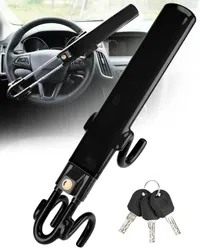
Another way to deter thieves is by installing anti-theft measures, such as a steering wheel lock. As its name implies, it prevents your vehicle from turning, making it a less desirable option for thieves looking for a quick score.
More sophisticated thieves use relay devices to access your car. They target cars with keyless entry systems, allowing you to start your car or lock/unlock it without a physical key.
They'll use a signal repeater to detect the key fob's signal. Once intercepted, the signal travels to a device held by the thief, which they can use to unlock and start your car.
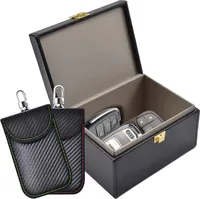
One smart way to prevent thieves from achieving this is with a Faraday Box. These prevent thieves from accessing the signal from your key fob, and they're more durable than pouches, which wear down over time.
Overall, there's good news in that auto thefts are slowing down substantially. Advancements in anti-theft measures have made it more difficult for thieves to access vehicles.
By employing these best practices, you can lower your car's chances of being targeted by thieves — and you might earn an insurance discount in the process.
Related content