Features

-
 Why the 4% Rule Could Fail for Retirement Income
While the 4% rule is a useful starting point, a lengthy retirement can't rely on a one-time calculation. This is why you need a personalized income plan.
By Robert D. Blair, CFP®
-
 My Parents' Estate Tripped Me Up With a Snake (and a Gun)
My parents took meticulous care of their home and estate planning. But when it came time to sell their house of 54 years, all hell broke loose. Here are the five lessons I learned.
By Ellen B. Kennedy
-
 Financial Strategies to Afford a Long Retirement
Bridging the gap between your vision of retirement and real financial readiness requires planning, adaptable income strategies and expert guidance.
By Erin Culek
-
 5 Fall Trips That Are Even Better After You Retire
Travel Take advantage of retirement’s flexibility with these five fall getaways offering beautiful scenery, great food, history and fewer summer crowds.
By Choncé Maddox
-
 7 Ways Parents Can Help Teens Start Investing
New research shows 70% of teenagers are eager to get into the market — and they're looking to their parents for guidance.
By Jeannie Bidner, CFP®
-
 From Buffett to Beyoncé: What Celebrities Say About Inheritance
See what Warren Buffett, Shaq, Jay-Z and Beyonce, Dave Ramsey and Suze Orman have to say about passing down wealth.
By Karee Venema
-
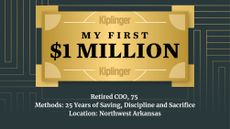 It Took This Retired Arkansas COO 25 Years to Reach $1 Million
"It is hard to deny yourself and family something you want when the money is there to have it, to convince them that the sacrifice is worth it in the long run."
By Joyce Lamb
-
 Key Differences in Financial Independence vs Retirement
People use "financial independence" and "retirement" as if they're the same milestone. But treating them the same is where a lot of financial plans go sideways.
By Andrew Rosen, CFP®, CEP
-
 The Great Junk Transfer: Why Heirs Want Meaning, Not More Stuff
Loved ones want your memories, not your attic clutter. A new study reveals why less is officially more when passing down belongings.
By Donna LeValley
-
 How Women Should Structure Their Long-Term Care Insurance
Women's longer life expectancies mean their long-term care coverage should feature longer benefit periods, higher payout amounts and robust inflation protection.
By Evan T. Beach, CFP®, AWMA®
-
 How to Prepare Your Kids to Manage Money
More than half of parents and grandparents believe children are less financially prepared than they were. Here's how you can help close the gap.
By Chloé Briel, CFP®, ADPA™
-
 Kiplinger Trade Outlook: Trade Deficit Widens
Forecasts Kiplinger's latest forecast on trade: U.S. exports, imports and our net trade deficit.
By Rodrigo Sermeño
-
 Which American Express Credit Card is Right for You?
The Amex Gold and Platinum cards offer very different rewards and perks. We compare annual fees, rewards and benefits to help you choose.
By Sean Jackson
-
 Kiplinger Inflation Outlook: A Pickup Is Coming in August
Economic Forecasts The 3.4% inflation rate in August was not the improvement that policymakers at the Federal Reserve were looking for.
By David Payne
-
 Is the Hilton Honors Amex Surpass Card Worth It?
Frequent Hilton guests can get more from their stays with the Hilton Honors American Express Surpass Card. Here’s what to know about its hotel perks, rewards and travel benefits.
By Sean Jackson
-
 These 7 Budgeting Apps Do the Hard Work for You
If you're searching for a great budgeting app, here are our top picks.
By Ella Vincent
-
 Kiplinger Housing Outlook: May Sees Multifamily Building Spike
Economic Outlooks High mortgage rates, persistent affordability constraints and elevated input costs continue to plague the housing market.
By Rodrigo Sermeño
-
 How to Find Financial Advice for Everyday People
It can be hard to find professionals who provide comprehensive financial planning for average Americans. The Garrett Planning Network aims to change that.
By David Bromelkamp
-
 How Your Employer Could Help You Buy a Home
More companies are looking at offering employees support for buying a home — including down payment assistance — as a workplace benefit.
By Landy Liu
-
 Financial Stocks Are Set Up for Success. Here are 5 Funds to Consider
The financial sector is hitting its stride on earnings growth and the potential for higher interest rates. These ETFs are poised to capitalize on the momentum.
By Nellie S. Huang
-
 Ask the Editor: How Long to Keep Tax Returns and More
Ask the Editor Our Kiplinger Tax Letter Editor answers readers' questions, including one on how long taxpayers should keep tax returns and other records.
By Joy Taylor
-
 USPS Retirement Funding: What Postal Workers Need to Know
The Postal Service has admitted it's running out of cash. Employees need to take charge of their benefit and retirement planning before their options narrow.
By Eric Steffy
-
 The 5 Best Cheap Stocks (Under $10) to Buy Now
When seeking out the best cheap stocks to buy under $10, investors should focus on quality. Here are five we like.
By Karee Venema
-
 Do I Still Need Travel Insurance If I Have Coverage Through a Credit Card?
Travel Many credit cards offer travel insurance as a perk, but is the coverage comprehensive enough to skip buying a separate policy?
By Rachael Green
-
 8 Surprising Things Home Insurance Doesn't Cover
Your home insurance protects you from a lot, but not from these eight common threats.
By Alexandra Twin
-
 What’s the Best Medigap Plan for You?
Medicare The 10 Medigap plans offer different levels of benefits that pay for expenses, such as co-payments, not covered by original Medicare.
By Jackie Stewart
-
 Eight Things Medicare Doesn't Cover
Medicare Part A and Part B leave gaps in your healthcare coverage. But Medicare Advantage has problems, too.
By Donna LeValley
-
 Why ETFs Are One of the Easiest Ways to Start Investing
Broad diversification, low fees and the ability to buy fractional shares make ETFs one of the easiest ways to start investing.
By Tony Dong, MSc, CETF
-
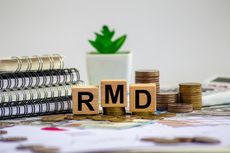 Avoid Estimated Tax Payments in Retirement With RMD Withholding
RMDs If you don't need the money to live on, wait until December to take your RMD, and ask the sponsor to withhold a big chunk for the IRS.
By Kevin McCormally


