Features

-
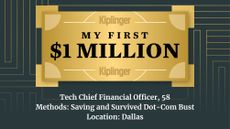 From Paper Routes to $1M: One Dallas CFO's Financial Journey
"My dad told me how he saved and what stocks provided, then casually left annual reports out where I could start looking at them at an early age."
By Joyce Lamb
-
 Fed Zeppelin: 5 Songs That Explain the Biggest Central Bank in the World
Jimmy Page and Robert Plant have a lot to say about Donald Trump, Kevin Warsh and "regime change" at the Fed.
By David Dittman
-
 The Potential Complications of Working Past Retirement Age
A growing number of Americans are working past retirement age. But what happens to Social Security, tax and healthcare when you keep on working?
By Cathy DeWitt Dunn, CDFA®, FRC®
-
 2 Awkward Talks to Have With Your Kids Before They're 18
The teenage years are tricky for kids and parents, but they're the right time to start talking openly about money and what you'd do in a medical emergency.
By Stephen B. Dunbar III, JD, CLU
-
 To Close the Wealth Gap, Teach Your Children Well
Kids who grow up with savings accounts are more likely to learn the basics of managing and investing — and more likely to attend college.
By Melanie Mortimer
-
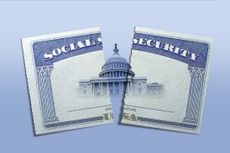 Latest Inflation Data Keeps 2027 Social Security COLA Forecast High
As inflation persists, the 2027 Social Security COLA forecast has dropped slightly to 3.8% — a 0.1% decrease compared to the April estimate.
By Donna LeValley
-
 8 George Carlin Quotes Retirees Should Live By
The master of comedy was famously cynical, but his raw philosophy offers a surprising blueprint for your golden years.
By Donna Fuscaldo
-
 Should You Buy SPCX Stock?
The massive SpaceX IPO has come and gone, with SPCX stock now trading on the Nasdaq.
By Karee Venema
-
 13 Outrageous Ways To Spend Money in Retirement
Whether you have excess cash to spend or want to pretend, here’s a look at 13 ridiculous ways retirees can splurge.
By Donna Fuscaldo
-
 Kiplinger Trade Outlook: Trade Deficit Widens
Forecasts Kiplinger's latest forecast on trade: U.S. exports, imports and our net trade deficit.
By Rodrigo Sermeño
-
 'The Best Is Yet to Come' — Five Things You Gain in Retirement
Retirement should be a time of exploration, expansion and delight. So if you've done your planning well, enjoy these five retirement perks.
By Maurie Backman
-
 10 Ways to Prepare Your Home for Summer Weather
Hot summer weather can take a toll on your home if you're not prepared. Follow these tips to make sure you're ready for the season.
By Daniel Bortz
-
 Why Is My First Medicare Bill So High?
Your first Medicare bill may be higher than expected for several reasons. If your premiums aren't taken out of your Social Security benefit, the bill can be huge.
By Donna LeValley
-
 The Best Semiconductor ETFs: How You Can Mine the AI Gold Rush
The best semiconductor ETFs hold the chipmakers benefitting from historically high spending by artificial intelligence hyperscalers and data center builders.
By Tony Dong, MSc, CETF
-
 Ask the Tax Editor: Tax Basis in Inherited Property
Ask the Editor In this week's Ask the Editor Q&A, Joy Taylor answers tax questions on inherited property: gold, stock, real estate, including the tax basis at death.
By Joy Taylor
-
 How the Best Advisers Help Clients Use Their Retirement Fear
Clients don't need advisers to dismiss their retirement fears. They need advisers who can listen, separate emotion from risk and turn anxiety into action.
By David Conti, CPRC
-
 5 Steps to Build Your Advisory Firm's Community Outreach
This practical blueprint with heart can help build strong adviser interaction in your community — which can lead to growth for your firm.
By Cody Foster
-
 How Financial Advisers Can Best Serve Next-Gen Investors
Millennial and Gen Z investors consume financial information differently from older clients, but they still need trusted advisers to cut through online noise.
By Genevieve Hayman, PhD
-
 How to Turn Wealthy Clients' Charity Into a Cohesive Plan
HNW families often give generously but lack an overall strategy that ties into their financial and estate plans. Advisers can change that in three steps.
By Gillian Howell
-
 The 'Take That Uncle Sam' Rule of Retirement Spending
Here's how to reduce your tax bill when you withdraw money in retirement.
By Donna Fuscaldo
-
 Dating Again? 9 Rules for Older Singles
Don't be afraid of dating when you're older. But do be careful. We have some dos and don'ts for senior daters.
By Katherine Reynolds Lewis
-
 How IRAs Impact Social Security
Do your traditional IRA distributions count as income that could lower your Social Security benefits? It depends.
By Tom Taulli
-
 Kiplinger Business Costs Outlook: Energy Uncertainty Remains
Economic Forecasts More certainty on tariffs, but less on energy costs.
By David Payne
-
 The Best Mid-Cap ETFs to Buy
The best mid-cap ETFs to buy offer efficient and diversified exposure to a universe full of highly interesting companies.
By Tony Dong, MSc, CETF
-
 21 Things You Can't Return to Amazon
Did you know there are things you can't return to Amazon? Before adding these 21 items to your cart, be sure to read Amazon's return policy first.
By Kathryn Pomroy
-
 When Will Social Security and Medicare Run Out of Money?
Social Security and Medicare trust funds, which help pay benefits, are projected to outspend their surpluses. What happens when the safety net faces a shortfall?
By Elaine Silvestrini
-
 The Y Rule of Retirement: Why Men Need to Plan Differently
If you have a Y chromosome (because you're a guy), following the 'Y rule of retirement' can help you transition to this new life stage with grace.
By Jacob Schroeder
-
 25 Stocks That Could Rally 45% or More
Analysts say these S&P 500 stocks have at least 45% price upside over the next year or so.
By Dan Burrows
-
 Quiz: Could Your Recent Grad's 529 Funds Jumpstart Their Roth IRA?
Quiz Think you know the tax rules for a 529-to-Roth rollover? Take our 2-minute quiz to see if your account qualifies.
By Kate Schubel


