Features

-
 The S&P 500 Is More Concentrated Than You Think. These ETFs Spread Your Risk
These U.S. equity ETFs offer non-equal-weighted alternatives to the increasingly concentrated S&P 500, while maintaining broad large-cap exposure.
By Tony Dong, MSc, CETF
-
 4 Questions That Reveal if You’re Actually Ready to Age in Place
Is your "forever home" actually a "Peter Pan house?" The age-in-place dream often hits these three unexpected roadblocks.
By Donna Fuscaldo
-
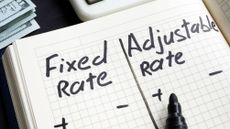 15-Year vs. 30-Year Mortgage: Pros and Cons
real estate Consider these pluses and minuses before jumping into a loan you'll be paying for the next 15 to 30 years.
By Donna LeValley
-
 15 Home Maintenance Tasks to Do Before the First Snow
home Don't wait for the first snowfall. These simple home maintenance tasks can help you avoid costly winter repairs and protect your wallet.
By Donna LeValley
-
 Types of Retirement Income the IRS Doesn't Tax
Tax Breaks Thankfully, not all the money you receive in retirement is subject to federal income tax.
By Kelley R. Taylor
-
 Is Your Driver's License at Risk? What the DMV Requires From Retirees in 2026
See which states require older drivers to retake vision tests to keep their licenses — and the one state that makes retirees retake their road test.
By Donna LeValley
-
 These 2026 State Ballot Measures Could Affect Your Taxes
A look at several state ballot measures that impact taxes in different states.
By Lisa Gerstner
-
 Why a Big Savings Account Won't Guarantee Retirement Peace
Even wealthy pre-retirees worry about financial security in retirement. That's because peace of mind requires an income strategy, not just a high net worth.
By Lee Korn, CPWA®
-
 Why Hospice Care Means Choosing Peace, Not Giving Up
Hospice is often viewed as a surrender or a last resort for a loved one's final days. In fact, it can be taken up sooner, improving life when time is limited.
By Joel Theisen, RN
-
 How Self-Employed Deductions Impact Your Mortgage
Your business deductions can play a complicated role in determining your qualifying income. But there are ways around this issue with the right strategy and the right lender.
By Eric Bernstein
-
 16 Retirement Mistakes You Will Regret Forever
From saving too little to claiming Social Security too early, there are plenty of ways that current and future retirees can sabotage their golden years.
By Bob Niedt
-
 Vanguard Money Market Funds: What You Need to Know
investing Vanguard money market funds are useful asset storage tools. Here's what you need to know about the firm's six offerings.
By Kent Thune
-
 Best Monthly Dividend ETFs
If you're looking for more frequent payouts, you can still enjoy the benefits of low fees and broad diversification, thanks to these top monthly dividend ETFs.
By Tony Dong, MSc, CETF
-
 Kiplinger Housing Outlook: May Sees Multifamily Building Spike
Economic Outlooks Aggressive builder discounting and rate buydowns drive a surge in new-home sales.
By Rodrigo Sermeño
-
 5 Core Stocks Every Investor Should Own in 2026 and Beyond
Core stocks generate reliable and growing returns for you and your portfolio. Here are five we like for the long term.
By Kyle Woodley
-
 5 Signs You'll Live a Longer Life
Planning for a long retirement is a high-stakes math problem. Check these five longevity green flags to see if you have the habits and the history to beat the averages.
By Donna Fuscaldo
-
 I'm 60 With $4 million — Can I Have a Luxury Retirement?
At $4 million, you don’t have to pinch pennies, but here’s why you still need a strict withdrawal strategy to fund the high life.
By Maurie Backman
-
 Medicare Drug Plan Premiums Expected to Hold Steady Despite Subsidy Loss
Medicare expects stand-alone Part D premiums to rise by less than $1 in 2027 as it phases out temporary insurer subsidies.
By Donna LeValley
-
 5 Estate Planning Errors That Can Impact Generational Wealth
Successfully transferring generational wealth means preparing heirs, protecting your assets and treating estate planning as an ongoing family conversation.
By Mark B. Murphy, CLU®, ChFC®
-
 2 Retirement Tax Strategies To Keep More of Your Wealth
A tax planning strategy that combines direct indexing and tax-loss harvesting could help retirees minimize what they pay Uncle Sam and keep more of their wealth.
By Aaron R. Simpson, CFP®, ChFC®, RICP®
-
 6 Safe Mutual Funds to Own in an Uncertain Market
Tariffs and conflict and oil, oh my! These safe mutual funds are ideal places to hide if you fear this uncertain market.
By Kyle Woodley
-
 What is the IRMAA (Income-Related Monthly Adjustment Amount)?
IRMAA is a surcharge added to your Medicare Part B and Medicare Part D prescription drug coverage premiums if your income is above a certain level. Here's what you need to know.
By Donna LeValley
-
 What to Do When You Receive a Large Check (And How to Deposit It Safely)
Learn how to deposit a large check, avoid common bank deposit restrictions and make the process go as smoothly as possible.
By Sean Jackson
-
 Mortgage Rates Are Rising: What Homeowners Should Do Now
Mortgage rates have climbed above 7%, cooling demand. Here's what homeowners considering refinancing, downsizing or a new mortgage should know.
By Choncé Maddox
-
 What Does $100K in a Jumbo CD Actually Earn?
If you're looking to shield your $100k from market volatility, this savings option earns you thousands.
By Sean Jackson
-
 Tips to Get Ahead in the Job Market
Use these tips to stand out to prospective employers and land the right position for you.
By Ella Vincent
-
 The Danger of the Word ‘Permanent’ in Estate Planning
Higher estate tax exemptions may be presented as "permanent," but relying on tax rules to stay the same — and not regularly updating your estate plan — is risky.
By Luke A. Palmer, CFP®, AAMS®, CRPS®, AWMA®
-
 Love Your Kids But Fear For Their Finances? You Need a Spendthrift Trust
You can secure your children's future without giving them unrestricted access to a windfall. Protect your legacy from poor decisions and creditors.
By Kathryn Pomroy
-
 Will AI Replace Your Job or Create New Opportunities?
The real financial question may not be how many workers artificial intelligence replaces, but how many new jobs, businesses and opportunities it creates.
By Neale Godfrey, Financial Literacy Expert


