A New Federal Retirement Match Is Coming in 2027: Are You Prepared?
With the Saver's Match, if you're a qualified low- or moderate-income worker, the government will match your retirement contributions up to 50% of your first $2,000 in savings.

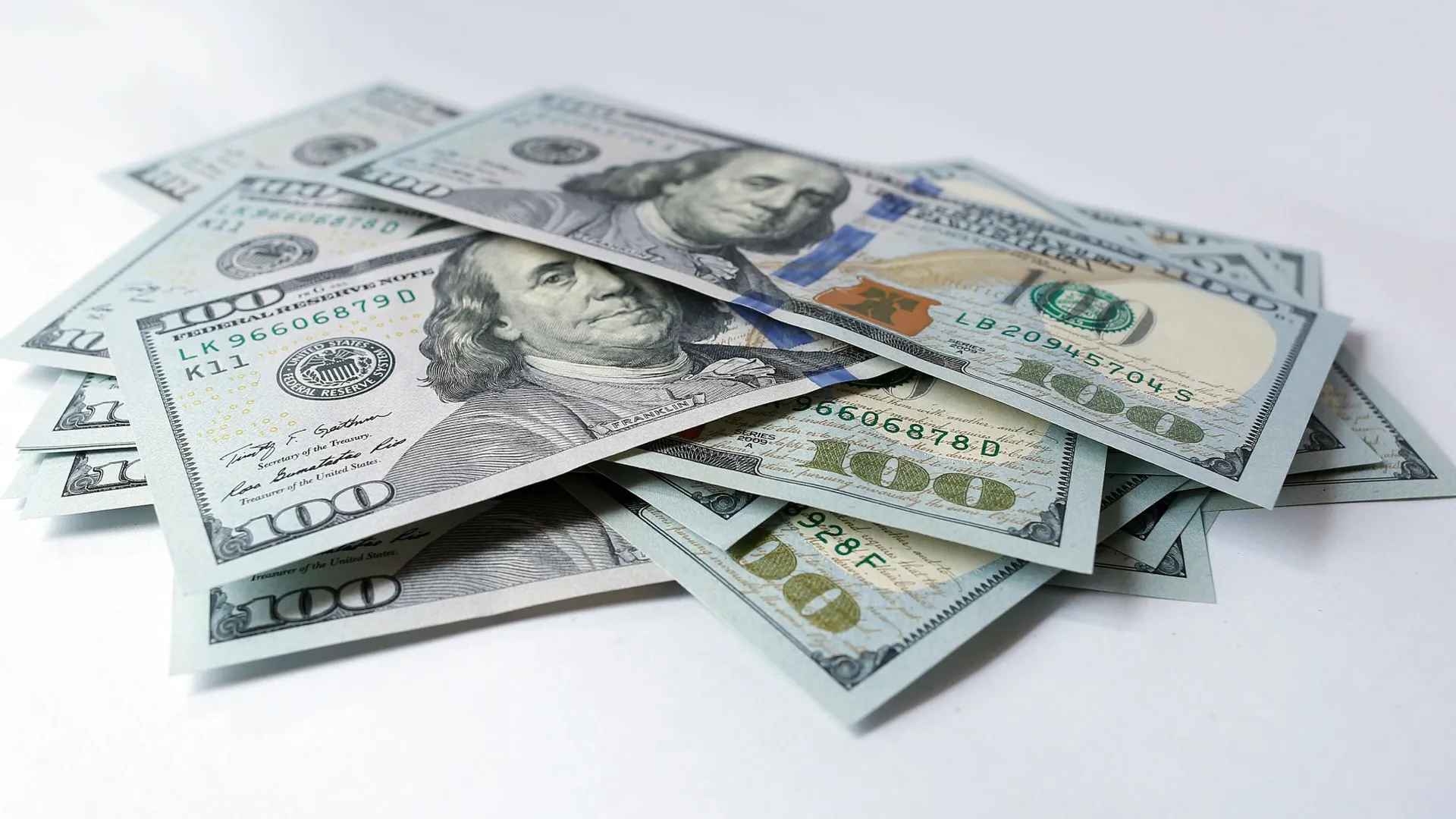
As an incentive to save for retirement, many employers offer to match employees' retirement contributions up to a certain percent.
Now the federal government is getting on board, launching a new program called the Saver's Match.
Starting in 2027, the government will match retirement contributions up to 50% of the first $2,000 for qualified low- and moderate-income workers. Understanding how it works now can give potential participants time to figure out if they qualify and how much they might be able to realistically save once the program begins.
From just $107.88 $24.99 for Kiplinger Personal Finance
Become a smarter, better informed investor. Subscribe from just $107.88 $24.99, plus get up to 4 Special Issues

Sign up for Kiplinger’s Free Newsletters
Profit and prosper with the best of expert advice on investing, taxes, retirement, personal finance and more - straight to your e-mail.
Profit and prosper with the best of expert advice - straight to your e-mail.
The program replaces the Saver's Credit, which offered a nonrefundable tax credit to lower-income earners who made eligible contributions to employer-sponsored retirement accounts, IRAs or an Achieving a Better Life Experience (ABLE) account. As a result, someone with little to no federal income tax liability could have received little to no benefit from the credit.
However, the Saver's Match is different. Under this program, the federal government deposits the contribution directly into an eligible retirement account, giving qualified workers the benefit even if they owe little to no federal income tax.
Who qualifies
To be eligible for the Saver's Match, participants must be at least 18, cannot be claimed as a dependent on another person's return and cannot be considered a student as defined by the IRS. Workers must also make contributions to their retirement plans, although no minimum amount is required. However, there are income limits.
The IRS uses your income and tax filing status to determine eligibility and the size of the match. For example, a married couple who earns up to $41,000 per year, and files jointly, could receive the full 50% match.
Partial matches will be given to qualified couples who file jointly, earning from $41,001 to $70,999 per year. If both spouses qualify and each contributes at least $2,000 to an eligible account, the couple could receive a combined $2,000 federal match.
For single filers, a full match will be given to those earning up to $20,500 and $30,750 for the head of the household. As income increases, match rates decrease.
In addition to meeting the income and eligibility requirements, workers must also make contributions to qualifying retirement accounts, such as traditional and Roth IRAs, 403(b)s, governmental 457(b) plans and other employer-sponsored accounts. Contributions must also be new, meaning trustee-to-trustee transfers or rollovers don't count.
Although the maximum match is based on $2,000 in annual contributions, workers don't have to save that amount to benefit. Even smaller contributions can qualify for a match.
For example, someone who qualifies for the 50% match can only afford to contribute $20 per month. Over 12 months, that adds up to $240. With the match program, the government will also contribute $120, bringing the total to $360 in retirement savings that year.
For workers who already receive an employer match, an additional federal match only furthers the incentive to save for retirement. Since the two incentives are separate, qualified workers can benefit from both. When calculating the Saver's Match, only the employee's contributions will be considered.
Check your budget
While the Saver's Match program offers another incentive for people to save for retirement, maximizing the benefit might not make sense for every household. Those who have little to no emergency savings, are struggling to cover bills, or have high-interest credit card debt, might need to balance these priorities with saving for retirement.
Rather than focusing on getting the full match, workers should consider how much they can realistically afford to contribute without creating another financial challenge.
Although the Saver's Match doesn't take effect until next year, workers can prepare now. Start by determining whether household income is expected to fall within the eligibility limits.
Review retirement plans offered through your employer and determine if they offer a match. If your employer doesn't offer a retirement plan, explore opening an IRA.
As you plan for the program, review your current household budget and determine how much you could realistically contribute each month starting in January.
For someone expecting to qualify for the full 50% match, saving around $167 per month adds up to slightly more than $2,000, meaning you could earn the maximum $1,000 federal match.
The bottom line
Unlike the Saver's Credit, the Saver's Match could give qualifying workers a valuable opportunity to increase retirement savings.
Taking full advantage of the program doesn't mean you have to contribute the maximum amount. The goal is to find a contribution amount that fits within your budget while continuing to work on current financial priorities.
By understanding the eligibility requirements, reviewing existing employer retirement plans and determining an affordable amount to contribute each month, workers can enter 2027 with a plan for the new program.
Related Content
- Americans Need Help Saving for Retirement: Will the New IRA Program (and a $1,000 Contribution) Be Enough?
- Your State (and Trump) Wants to Help You Save for Retirement. Here's How
- How Auto-IRA Programs and the Saver's Match Could Be Retirement Game Changers
- How Auto-IRA Programs and the Saver's Match Could Be Retirement Game Changers
- SIMPLE IRA: What It Is and How It Works