What To Take on a Plane for a More Comfortable Trip
These items make flying a smoother, more enjoyable experience.

A more comfortable flight does not always come down to booking a better seat. It is often the smaller choices, like when you book, what you bring, and where you spend a little extra, that shape the experience from takeoff to landing.
As travel costs shift, many travelers are getting more strategic. Some are prioritizing comfort on the plane, while others are choosing destinations where the dollar stretches further so they can enjoy a more elevated trip overall. The goal is the same. Make the journey feel just as rewarding as the destination.
The good news is that you don't need a first-class ticket to travel well. With a few thoughtful upgrades and the right essentials, you can make almost any seat feel more comfortable and add a touch of luxury to your next flight.
From just $107.88 $24.99 for Kiplinger Personal Finance
Become a smarter, better informed investor. Subscribe from just $107.88 $24.99, plus get up to 4 Special Issues

Sign up for Kiplinger’s Free Newsletters
Profit and prosper with the best of expert advice on investing, taxes, retirement, personal finance and more - straight to your e-mail.
Profit and prosper with the best of expert advice - straight to your e-mail.
How to keep your feet and legs comfortable on a flight

If you want to stay comfortable on a long flight, focus on supporting your legs and keeping your blood flowing. Sitting for hours can lead to stiffness and swelling, especially in tighter seats, but a few simple adjustments can make a big difference.
Wearing compression socks can help improve circulation and reduce swelling, particularly on longer flights. You can also use a small, soft bag or your personal item as a footrest to slightly elevate your legs without getting in the way of the seat in front of you.
It also helps to move regularly. Flex your feet, roll your ankles and stand up to stretch whenever it is safe to do so. Even small movements can prevent that heavy, cramped feeling and help you arrive feeling more refreshed.
3 easy ways to improve circulation on a plane:
• Choose an aisle seat for easier movement
• Avoid crossing your legs for long periods
• Stay hydrated to reduce swelling
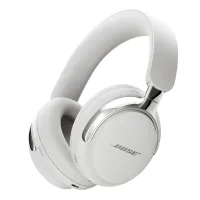
Noise-canceling headphones and the perfect white noise playlist
Sleeping on a plane is difficult for anyone, and it’s not just because of the lack of space. It’s also difficult because, with so many people packed in a tiny area, there’s a lot of noise.
There is a simple way to shut all the commotion out, though. Invest in a good pair of noise-canceling headphones. With the right pair of headphones and the right white noise playlist on your phone, you can forget you’re even on a plane when you close your eyes.
You’re well on your way to bliss once you turn that white noise on. You can find plenty of white noise options on Spotify and Youtube, for example.
Upgrade your eye mask for better rest on a flight

For many travelers, blocking out light is just as important as reducing noise. A well-designed eye mask does more than darken your surroundings. It can create a sense of calm and make it easier to rest, even in a busy cabin.
Look for soft, contoured masks that sit gently against your face without pressing on your eyes. Materials like silk or cushioned foam can feel more comfortable on longer flights, and some designs offer light, even pressure that helps you relax without feeling restrictive.
If you want to take it a step further, there are also eye masks with built in audio. These combine blackout coverage with slim speakers so you can listen to music, white noise or a meditation track without wearing separate headphones. It is a simple upgrade that can make it much easier to tune out distractions and settle in for some rest.
Your own blanket and pillow
There’s a chance your airline will skimp out on the pillows and blankets — and let’s face it, the ones on the plane are never that comfy, anyway. When you bring your own bedding, you have both high-quality products and the familiarity of home.
If you’re an anxious flier, we recommend investing in a weighted blanket (it really is a soothing sensation!). As for pillows, I like the J-Pillow, which has an unusual shape to help support your neck as you nod off.
But when we’re talking about pillows on the airplane, it’s worth considering your lumbar support needs, too. It might be worth it to bring a cushion like this memory foam model to keep your back from aching after a long flight.
Stay hydrated and keep it simple

Cabin air is dry, so staying hydrated can make a noticeable difference in how you feel during and after a flight. Start with water. Bringing an empty reusable water bottle through security and filling it before boarding makes it easier to sip consistently without waiting for the beverage cart.
Your skin will feel it, too. A simple routine works best here. Lip balm, a lightweight moisturizer and gentle wipes can help you feel refreshed without turning your seat into a full skincare setup. Skip anything heavily fragranced, as strong scents can be irritating in a confined space and to the people around you.
The goal is to stay comfortable without overcomplicating things. A few practical items and steady hydration can go a long way toward helping you arrive feeling more like yourself.
Stay organized
Packing cubes can help items in your suitcase stay organized, but you can also use travel pouches and toiletry bags to keep your carry-on organized. After all, bringing an eye mask and Chapstick on a plane isn't as helpful if you're stuck awkwardly digging through your carry-on bag to find them.
With the Briggs & Riley pouch set, for example, you can put headphones and chargers in one bag and personal hygiene in another, so you never lose your travel accessories to nooks and crannies in your backpack.
For long-haul flights, you can use a toiletry bag, like Travelpro's split travel bag, to keep your under-3.4-ounce moisturizer and mouthwash handy.
Pick the right seat

There is a lot that is out of your control when you fly, which may be why it can feel just as mentally uncomfortable as it is physical. But when you are booking, there are still a few choices you can make to help your flight go more smoothly.
If you can, consider booking an emergency exit row seat. These typically offer significantly more legroom, but keep in mind that many airlines now charge extra for these seats, and there may be eligibility requirements.
If that is not an option, think about what matters most to you. Do you want easy access to get up and move around or use the restroom? Choose an aisle seat.
Prefer a surface to lean on for rest? A window seat may be a better fit. If turbulence makes you uneasy, sitting over the wing can provide a more stable feel compared to the back of the plane.
Yes, sometimes choosing your seat will cost more, but if you have some flexibility in your travel budget, it can be a worthwhile upgrade for a more comfortable flight experience.
Related Content