
Savers face an uncertain future. The Federal Reserve has already cut rates twice, which has lowered the yields on many savings accounts and CDs.
Furthermore, President Donald Trump is expected to appoint a new head of the Federal Reserve by the end of the year. Trump wants more aggressive rate cuts to pay down debt and save money; whoever takes the helm will likely advocate for further cuts in 2026 if they can persuade other voting members.
As a result, the unclear situation calls for clarity for savers. Here are three smart money moves to consider now to help you reach your goals in 2026 and beyond.
From just $107.88 $24.99 for Kiplinger Personal Finance
Become a smarter, better informed investor. Subscribe from just $107.88 $24.99, plus get up to 4 Special Issues

Sign up for Kiplinger’s Free Newsletters
Profit and prosper with the best of expert advice on investing, taxes, retirement, personal finance and more - straight to your e-mail.
Profit and prosper with the best of expert advice - straight to your e-mail.
Ensure you're on the road to your retirement goals

Setting up a retirement plan is only half the game. You'll also want to check in periodically to see if it's continuing to help you reach your goals.
If you're working and have a 401(k) from your employer, review it annually. Ensure you have the maximum contribution you feel comfortable with, and the performance aligns with your goals and risk profile. If they don't, you can adjust contribution levels or reallocate your investments.
For investors without a 401(k), you'll want to explore long-term investing options that offer healthy returns at an acceptable risk. If you have several years before your expected retirement, you're more likely to get better returns through the stock market than traditional savings accounts. (Keep tax implications in mind, as your own investments are treated differently from 401(k) plans.)
This is where a target-date fund comes in. These funds are built for saving for retirement, and they do the work for you to target the growth you want.
Read more: Best Online Brokers and Trading Platforms for 2025
Finally, if you're saving for retirement, keep up with your IRA. For 2026, you can contribute up to $7,500, which helps you reach your retirement goals and is a tax-smart planning strategy. It can help to plan ahead to make that contribution, whether that means setting aside a certain amount each month or planning to use a year-end bonus for your contribution.
Build, maintain and protect your emergency savings

Building an emergency fund ensures you're prepared for surprise expenses or can weather a job loss. The best option for achieving this is with a high-yield savings account (HYSA).
If you're working, you can set up automatic transfers from your checking account to your high-yield savings account on payday, or set your paycheck to direct deposit a certain amount each round into a high-yield savings account.
I recommend setting aside at least 10% each check, but aim to do more if possible until you have an emergency fund that covers about six months of expenses.
Meanwhile, if you already have an emergency fund at a comfortable balance, it's a good idea to review your account. Ensure the amount you've accrued still meets your needs, and you're earning a healthy rate of return.
If not, it doesn't hurt to shop around, as many online banks can help you maximize your earnings.
Read more: Best High-Yield Savings Accounts
There are several things to consider with HYSAs. Chief among them is that these accounts have variable interest rates. If the Fed cuts rates again in the future, it could impact your earnings through lower APYs. But generally speaking, even with the cuts, HYSAs still provide returns higher than inflation.
Additionally, any income earned from a HYSA is taxable as ordinary income and based on your federal tax income bracket. At the end of the year, your bank sends you Form 1099-INT, which you can file with your tax return. Don't let the tax implications deter you, though, as you're only paying taxes on the interest gained.
Shield your savings for a specific goal

If you're saving for a large expense coming at an expected time — like a scheduled vacation or the birth of a child — set funds aside and find a savings vehicle that grows. In these cases, I recommend CDs, as you can find a term that matches your plans.
Say you're saving to help pay for your child's wedding in 2027. You can open a one-year CD now to earmark money for it. Make sure to set a reminder as the maturity date nears, as many banks auto-renew CDs.
CDs are also beneficial in that once you open one, the rate remains fixed. If the Fed cuts rates again, it won't impact your earnings. You can find the best CD rates that fit your savings goal with this Bankrate tool:
If you're concerned about tying up your money but like the fixed rates CDs offer, another approach could be to use a no-penalty CD. No-penalty CDs give you the best of both worlds in that you lock in your rate as you would with a regular CD, but you have access to your cash when you need it.
This option works best if you have short-term goals, such as saving for a vacation next summer, and require quicker access to your money.
Charting a course for a successful 2026
The best time to plan for next year is now. Doing so helps you set any financial priorities and goals you want to achieve. From here, you can use these strategies to help you reach your goals, even with the uncertainty 2026 might bring to savers and investors.
Related content

-
 What To Do If, Like Kelly Clarkson, You Have a Bad Time At a Store
The internet is in an uproar over Kelly Clarkson's criticism of a Brooklyn store. Here's what you should do in her shoes (rather than complain online).
-
 Nasdaq Bounces Back as AI Trade Freshens Up: Stock Market Today
What might be the stock market's most critical industry right now returned to its winning ways, with many fundamental questions soon to be answered.
-
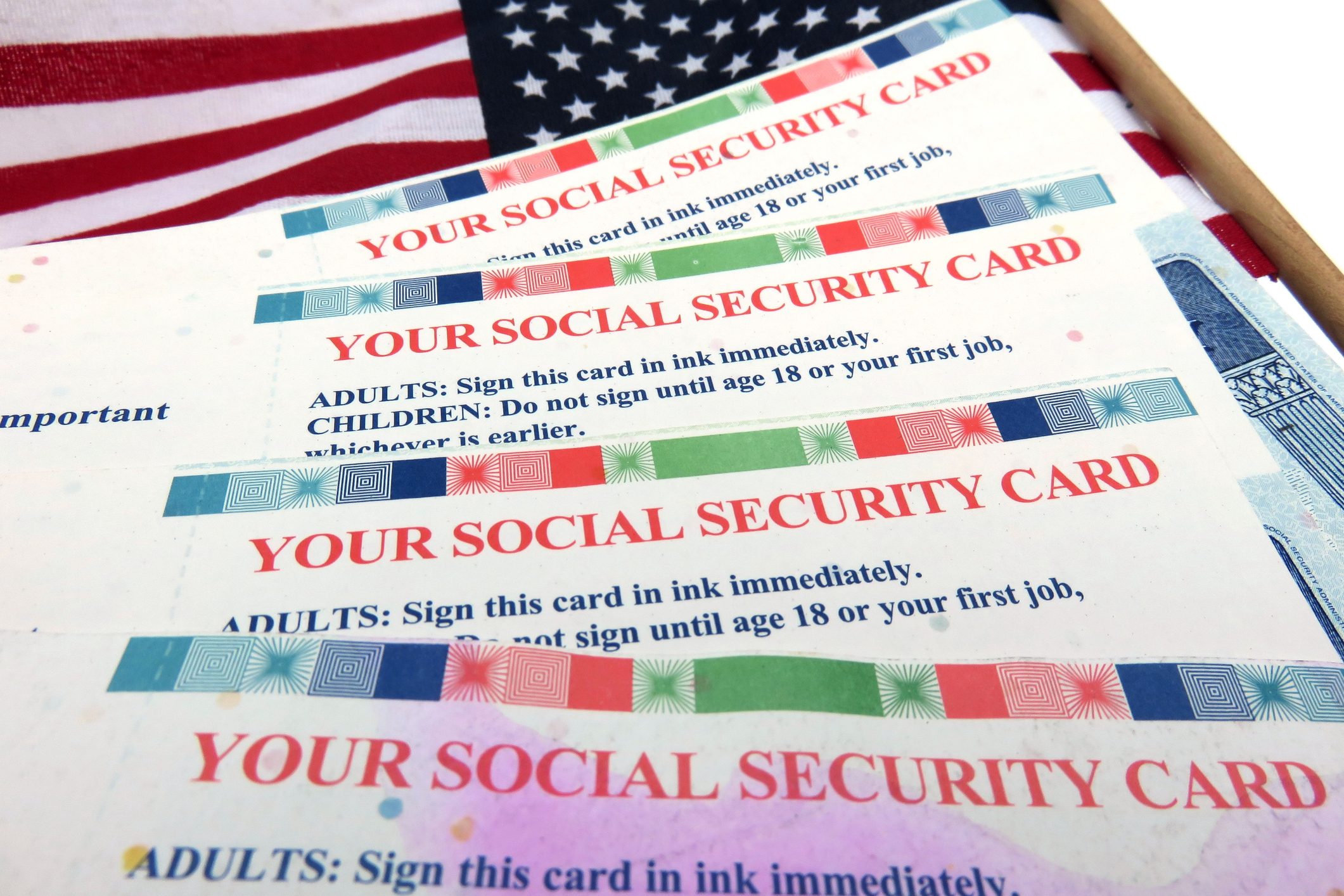 The 3-and-10 Rule: How Social Security Replacement Card Limits Work
Think you can get a new Social Security card whenever you lose one? Federal limits say otherwise.


-
What To Do If, Like Kelly Clarkson, You Have a Bad Time At a Store
The internet is in an uproar over Kelly Clarkson's criticism of a Brooklyn store. Here's what you should do in her shoes (rather than complain online).
-
 Finances Need a Steer? 5 Ways AI Can Take the Wheel
AI can take some of the strain out of handling everyday finances, from disciplined saving to avoiding scams, paying off debt and reaching your money goals.
-
 4 Winter Weather Getaways You Won't Need a Passport for
From soaking in hot springs under the northern lights to gliding over the snow on a dogsled, these expeditions make the most of the cold.
-
 5 International Destinations That Cost Less Than a New iPhone
Will you look back and regret not buying the new iPhone Duo, or the memories you could have had traveling to one of these cheap, safe and culturally rich countries on five different continents?
-
 My First $1 Million: Graphic Designer, 63, Avon Lake, Ohio
"This money brings me security. I don't wake up in the middle of the night, wondering how I'm going to live."
-
 How to Build a 'Launch Fund' for Your Kids or Grandkids
From 529 rollovers to custodial accounts, financial experts explain how to set young adults up for true financial independence.
-
 New DOT Rule Makes Flight Delay Compensation Harder to Get
The Department of Transportation's new rule limits your right to compensation for delayed flights.
-
 If You're Nearly 65, You Need to Know How to Avoid These 5 Common Medicare Mistakes
"Medicare will happen when I turn 65. I don't need to think about it, right?" Wrong. Get up to speed with the system now to prevent stress and save money later.


