My First $1 Million: Director in Higher Ed/Consulting, 48, the Midwest
The best part: "Not losing any sleep over how to pay for retirement and then knowing I have enough time for compound interest to (make me) a multimillionaire."

Welcome to Kiplinger's My First $1 Million series, in which we hear from people who have made $1 million.
They're sharing how they did it and what they're doing with it. This time, we hear from a single 48-year-old director in higher education/consulting in the Midwest. She reports that her income is $84,000.
See our earlier profiles, including a writer in New England, a literacy interventionist in Colorado, a semiretired entrepreneur in Nashville and an events industry CEO in Northern New Jersey. (See all of the profiles here.)
From just $107.88 $24.99 for Kiplinger Personal Finance
Become a smarter, better informed investor. Subscribe from just $107.88 $24.99, plus get up to 4 Special Issues

Sign up for Kiplinger’s Free Newsletters
Profit and prosper with the best of expert advice on investing, taxes, retirement, personal finance and more - straight to your e-mail.
Profit and prosper with the best of expert advice - straight to your e-mail.
Each profile features one person or couple, who will always be completely anonymous to readers, answering questions to help our readers learn from their experience.
These features are intended to provide a window into how different people build their savings — they're not intended to provide financial advice.
To learn what these millionaires have taught us, check out the article 5 Key Insights We Learned From 50 First-Time Millionaires.
And to hear more about My First $1 Million, you can check out this podcast with bestselling author and tax attorney Toby Mathis:
The Basics
How did you make your first $1 million?
Mostly from disciplined, i.e. automatic, savings every month invested in the S&P 500 or other mutual funds. I opened my Roth IRA when I was about 25.
I have saved monthly except during grad school (I went back to school as an adult) and then a few months before selling my previous house.
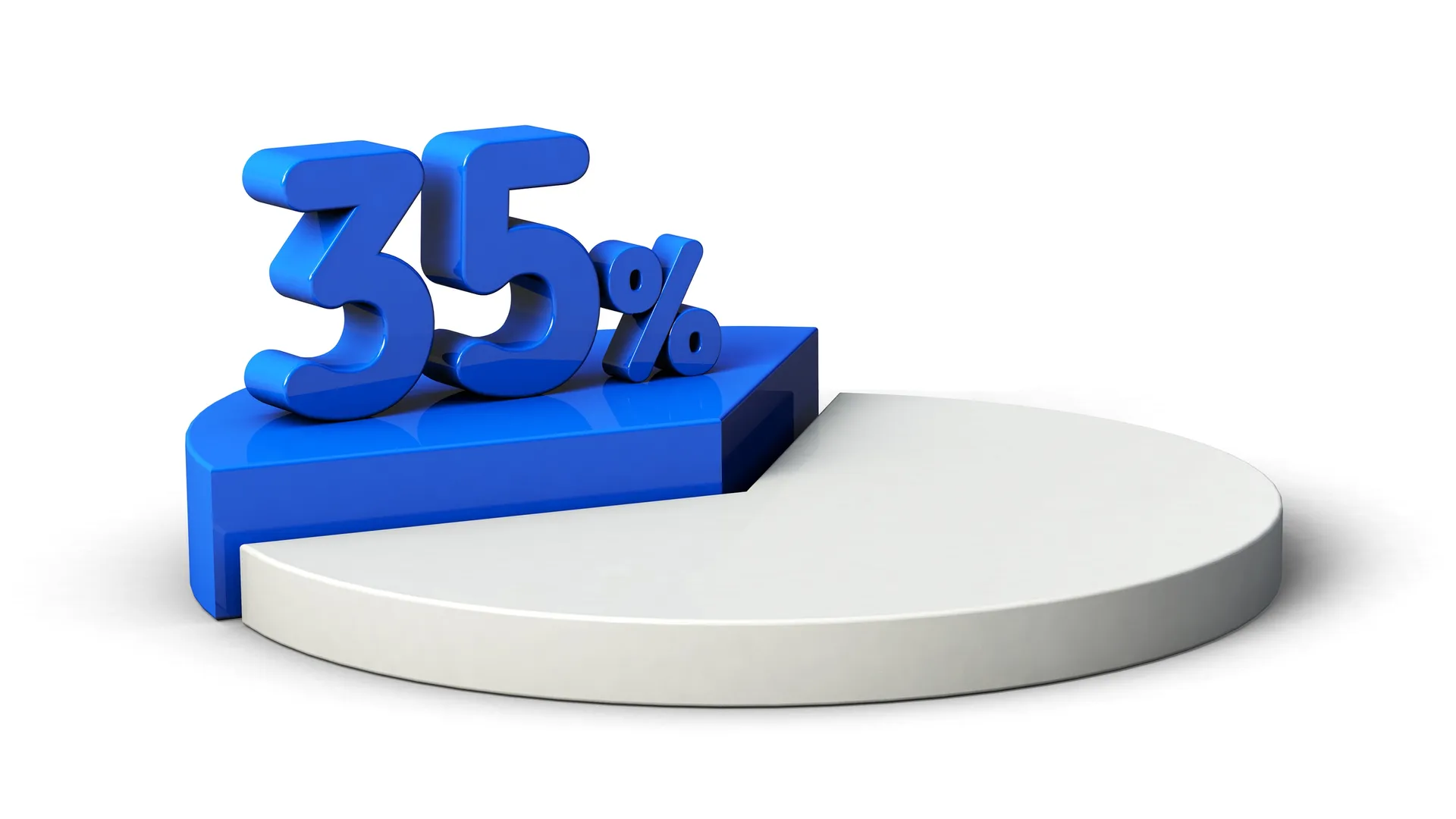
Right now, between my own share and employer match, I save about 35% in a mix of accounts.
I have no interest in owning real estate beyond my home. That would require substantial time and money I don't have to properly manage in order to make money.
I like market-based investments because they are passive. My brokerage account will never need a new roof.
I've also had some inheritance. I have a Roth IRA, rollover IRA that I convert a portion each year to my Roth, 457 accounts at work (Roth and traditional), HSA (health savings account) investments and brokerage accounts.
I also have home equity, but because it's so illiquid, I don't count it in my totals because I won't be able to use it for cash flow in retirement.

I'm single, no kids, so that makes for a different calculation in this exercise, but I'm fortunate to live in a low-cost-of-living city.
What are you doing with the money?
It's all in brokerage or retirement accounts. I also have my HSA invested in the market, and that's been a huge win in terms of market return.
The Fun Stuff
Did you do anything to celebrate?
No, I don't want to be flashy in any way about my net worth.
What is the best part of making $1 million?
Not losing any sleep over how to pay for retirement and then knowing I have enough time for compound interest to (make me) a multimillionaire, providing for a comfortable retirement.

The women in my family live a long time, so I have to plan accordingly.
Did your life change?
No, I live a pretty modest lifestyle: A 10-year-old Honda, don't take fancy vacations, shop at Aldi, no daily Starbucks.
I did upgrade my house a few years ago after living in my "starter home" for more than 20 years.
Plus, the vast majority of this cash is in accounts I can't access for another decade-plus without penalty.
Does anyone know you're a millionaire?
My mom, but no one else. No one else needs to know, and I don't think sharing this info would improve anything.
Any plans to retire early?
I'm hoping to retire at around 62 or 63. I initially thought I'd need to work until 70, but once I created a clearer strategy, I have a goal of about $3.4 million on these accounts. At that point, I walk.

Looking Back
Anything you would do differently?
Save more in my 20s to invest in index funds.
What advice would you give to your younger self?
Trust the math.
Did you read any books that helped you on your journey?
I can't remember the title, but I got turned on to index funds and the power of compound interest when I was in my mid-20s. Might have been something by John Bogle.
Now, there is amazing personal finance content online, plus a fair amount of junk.
Did you work with a financial adviser?
Yes, (I worked with) an independent fee-based adviser.
Looking Ahead
Plans for your next $1 million?
Just keep doing the same thing and watch compound interest work its magic.
Any advice for others trying to make their first $1 million?
Start early and let compounding do its thing. Also, build up a tolerance for normal market swings.

The only reason why I'll be able to retire comfortably is because I invested rather than saved and just left my money alone.
Do you have an estate plan?
Not really. Should probably do that, but I have beneficiaries named for all my investment accounts.
I want all of my assets to go to charity upon my death, hopefully many, many years from now.
What do you wish you'd known …
When you first started saving? Don't save cash outside an emergency fund. Put it in investments, mainly index funds.
When you first started investing? You've got a long horizon if you're starting in your 20s. Boring and basic go a long way in getting there.

The people in your life who are being very flashy with their money and investments probably aren't as financially stable as they look.
When you first started working with a financial professional? Not much. I picked a fee-based adviser about five years ago to review my investments and make sure I was on track, especially after online calculators gave me very different answers.
I no longer use him (I'm DIY on that front), but his advice helped me set my current course.
He helped me switch my thinking about retirement from total net worth to cash flow.
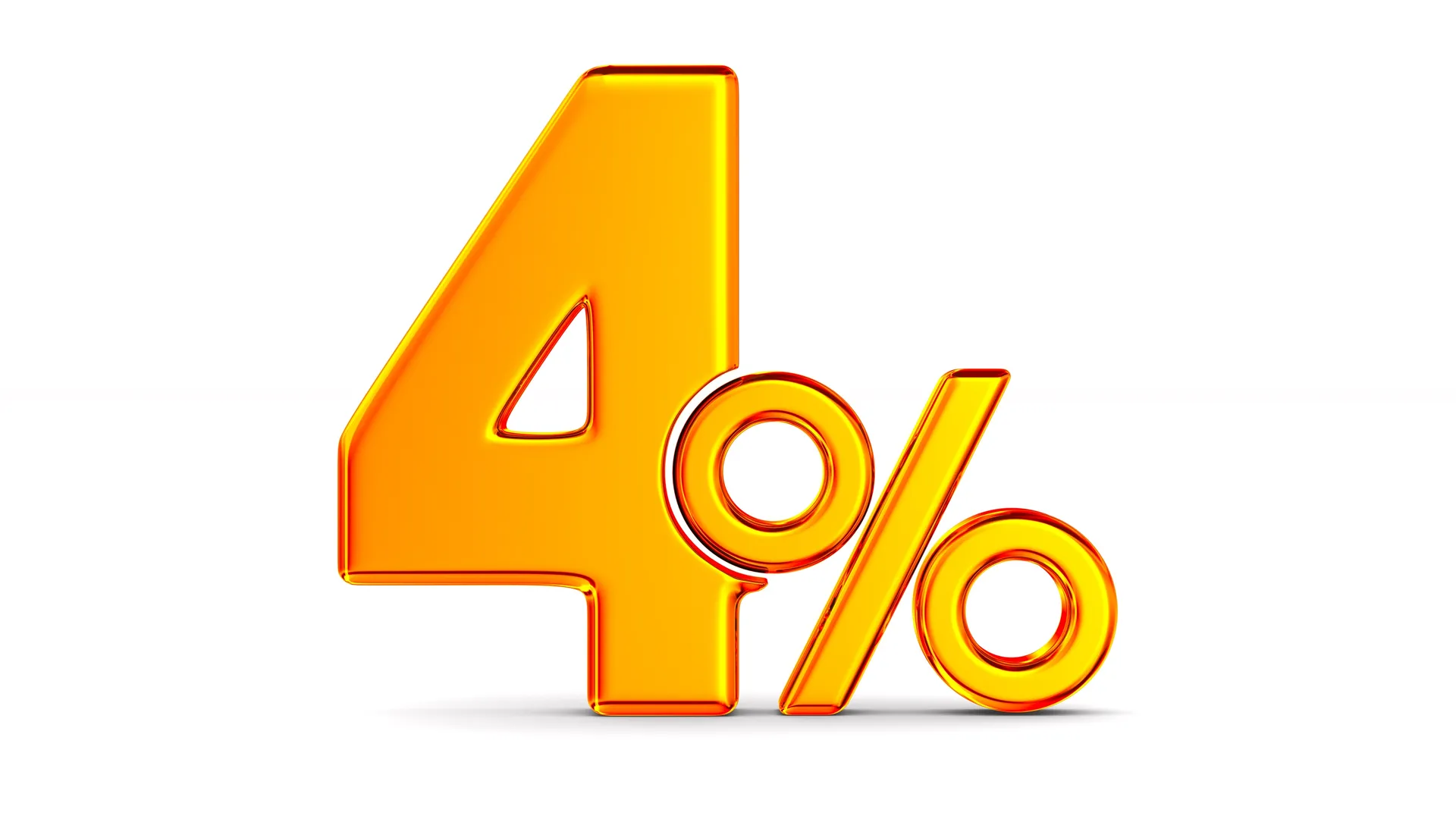
Obviously, living off my investments using the 4% rule would require a large nest egg, but that was a real game-changer in my approach as I prepare for retirement.
Anything you'd like to add?
There has never been more personal finance information available. Some of it is amazing; some is absolute garbage.
I love the SEC's compound interest and savings goal calculators as tools to figure out where I'm going and how to get there. I don't think enough people "run the numbers."
If you have made $1 million or more and would like to be anonymously featured in a future My First $1 Million profile, please fill out and submit this Google Form or send an email to MyFirstMillion@futurenet.com to receive the questions. We welcome all stories that add up to $1 million or more in your accounts, although we will use discretion in which stories we choose to publish, to ensure we share a diversity of experiences. We also might want to verify that you really do have $1 million. Your answers may be edited for clarity.
Related Content
- You're 62 Years Old With $1 Million Saved: Can You Retire?
- Want to Earn $1 Million More Over Your Lifetime? Do This
- Do You Have at Least $1 Million in Tax-Deferred Investments?
- Are You Rich? U.S. Net Worth Percentiles Can Provide Answers
- Compare Your Net Worth by Age