Why Toll Brothers Stock Is Falling After Earnings
Toll Brothers stock is lower Wednesday after the homebuilder missed expectations for its first quarter. Here's what you need to know.

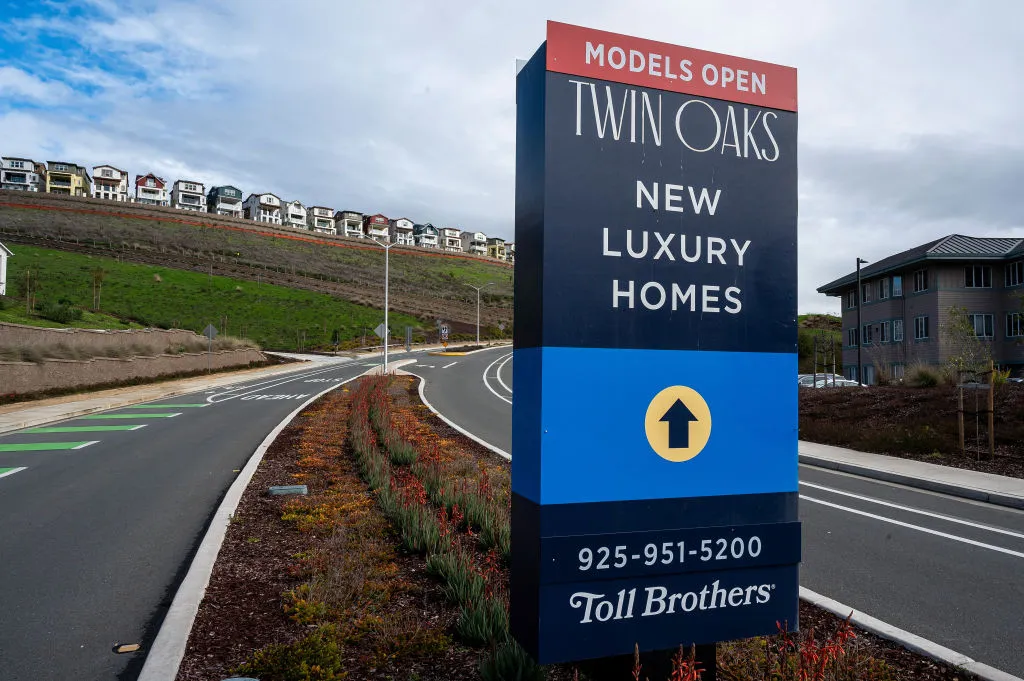
Toll Brothers (TOL) stock is lower Wednesday after the homebuilder came up short of top- and bottom-line expectations for its first quarter.
In the three months ending January 31, Toll Brothers' home sales revenue decreased 4.7% year over year to $1.84 billion. Earnings per share (EPS) declined 22.2% from the year-ago period to $1.75.
"While demand was solid in our first quarter, we have seen mixed results so far this spring selling season," said Toll Brothers CEO Douglas C. Yearley said.
From just $107.88 $24.99 for Kiplinger Personal Finance
Become a smarter, better informed investor. Subscribe from just $107.88 $24.99, plus get up to 4 Special Issues

Sign up for Kiplinger’s Free Newsletters
Profit and prosper with the best of expert advice on investing, taxes, retirement, personal finance and more - straight to your e-mail.
Profit and prosper with the best of expert advice - straight to your e-mail.
Demand remains healthy "particularly at the higher end" of Toll Brothers' market, though Yearley added that "affordability constraints and growing inventories in certain markets are pressuring sales—especially at the lower end."
The CEO noted in his statement that EPS and net income were impacted by "impairments and a delay in the sale of a stabilized apartment property in one of our joint ventures."
The results missed analysts' expectations. Wall Street was anticipating revenue of $1.91 billion and earnings of $2.04 per share, according to CNBC.
Toll Brothers said that home deliveries came in at 1,991 in the quarter, which also fell short of expectations of 2,060 homes.
For its second quarter, Toll Brothers said it expects home deliveries of 2,500 to 2,700 units at an average delivered price per home of $940,000 to $960,000. It also maintained its full-year forecast of home deliveries of 11,200 to 11,600 units at an average price of $945,000 to $965,000.
"We believe the long-term outlook for the new home market remains very positive and continues to be supported by strong fundamentals," Yearley said.
Is TOL stock a buy, sell or hold?
Toll Brothers stock generated a total return of 23.5% in 2024, only slightly underperforming the S&P 500's 25% gain. And its stock buyback program remains on track. It's down for the year to date, but Wall Street is bullish on the homebuilder.
According to S&P Global Market Intelligence, the average analyst target price for TOL stock is $155.77, representing implied upside of nearly 35% to current levels. And the consensus recommendation is Buy.
Financial services firm Oppenheimer maintained its Outperform rating (equivalent to a Buy) and its $189 price target on TOL stock following the earnings release.
"The core homebuilding business performed mostly as we expected. Gross margin was a positive highlight, though orders missed our model by 124 homes (or 5%)," Oppenheimer analyst Tyler Batory said in a note.
The analyst explained that the earnings miss "was due to impairments and a delay of the sale of an apartment property" and highlighted the fact that "TOL reaffirmed all key homebuilding guidance metrics for the full year."
Related Content
