Hold Soda Makers to Account for Health Woes?
A strong case can be made that it’s unethical for companies to target the very customers who shouldn’t be heavy consumers of a given product.
Profit and prosper with the best of Kiplinger's advice on investing, taxes, retirement, personal finance and much more. Delivered daily. Enter your email in the box and click Sign Me Up.
You are now subscribed
Your newsletter sign-up was successful
Want to add more newsletters?
Delivered daily
Kiplinger Today
Profit and prosper with the best of Kiplinger's advice on investing, taxes, retirement, personal finance and much more delivered daily. Smart money moves start here.
Sent five days a week
Kiplinger A Step Ahead
Get practical help to make better financial decisions in your everyday life, from spending to savings on top deals.
Delivered daily
Kiplinger Closing Bell
Get today's biggest financial and investing headlines delivered to your inbox every day the U.S. stock market is open.
Sent twice a week
Kiplinger Adviser Intel
Financial pros across the country share best practices and fresh tactics to preserve and grow your wealth.
Delivered weekly
Kiplinger Tax Tips
Trim your federal and state tax bills with practical tax-planning and tax-cutting strategies.
Sent twice a week
Kiplinger Retirement Tips
Your twice-a-week guide to planning and enjoying a financially secure and richly rewarding retirement
Sent bimonthly.
Kiplinger Adviser Angle
Insights for advisers, wealth managers and other financial professionals.
Sent twice a week
Kiplinger Investing Weekly
Your twice-a-week roundup of promising stocks, funds, companies and industries you should consider, ones you should avoid, and why.
Sent weekly for six weeks
Kiplinger Invest for Retirement
Your step-by-step six-part series on how to invest for retirement, from devising a successful strategy to exactly which investments to choose.
Question: I hear that Coca-Cola is being sued for allegedly using deceptive advertising that targets children and racial minorities and fails to acknowledge the risks of sugar consumption. The complaints are modeled on successful suits against tobacco companies. What do you think about this?
Answer:
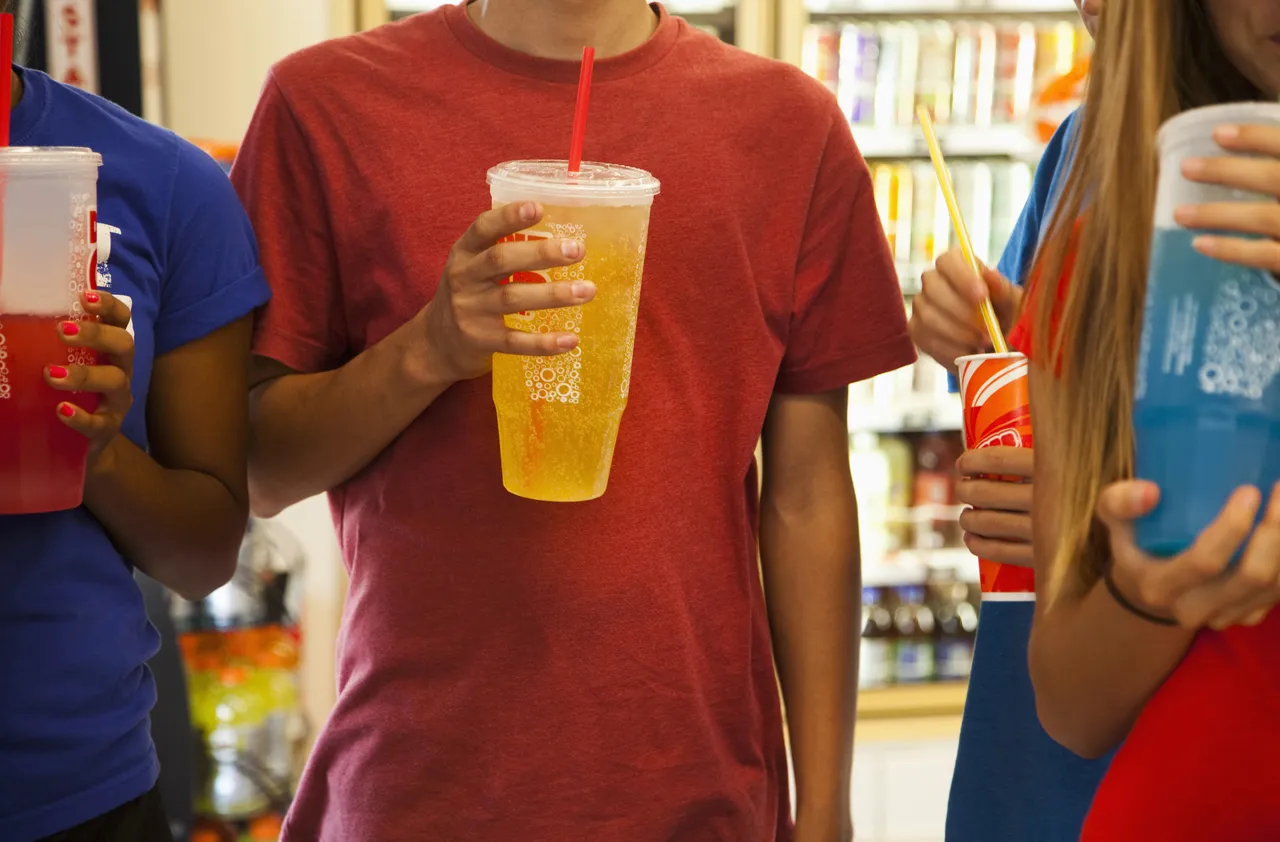
This illustrates a dilemma I’ve sometimes noted in this column: the difference between unethical conduct and illegal conduct. A strong case can be made that it’s unethical for companies to target the very customers who shouldn’t be heavy consumers of a given product or service: children and high-sugar cereals, soft drinks and candy; college students and booze; elderly people and casino gambling.
From just $107.88 $24.99 for Kiplinger Personal Finance
Become a smarter, better informed investor. Subscribe from just $107.88 $24.99, plus get up to 4 Special Issues

Sign up for Kiplinger’s Free Newsletters
Profit and prosper with the best of expert advice on investing, taxes, retirement, personal finance and more - straight to your e-mail.
Profit and prosper with the best of expert advice - straight to your e-mail.
Especially suspect, morally, are ad campaigns and special promotions that are created specifically to appeal to the target audience, such as kid-friendly ads on Saturday morning TV, beer commercials that glamorize hard partying by young adults, big-bottle discounts at inner-city convenience stores, free shuttles that bring senior citizens to casinos, and soft-drink-only vending machines in schools.
But in defense of the marketers, let’s acknowledge that all of these products are legal, and none is dangerous to your health when consumed in moderation. Sugary foods marketed to children, for example, can be a pleasant occasional treat, and after all, aren’t they usually purchased for the kids by their parents?
So the parallel between the soft-drink suits and the tobacco suits is flawed. There is no level of tobacco consumption that is safe, and the cigarette companies knew this for years before the U.S. government forced them to put warning labels on the packs and states sued them for health care costs.
Shouldn’t all of us know by now that excessive consumption of sugar contributes to the obesity and diabetes crises in America? And that a high-fat, high-calorie diet of fast food is harmful too?
Surely we should, but that doesn’t mean the government should ban or heavily tax these foods, force beverage companies to reduce the size of soft-drink bottles, or encourage lawsuits against the makers. Whatever happened to individual responsibility for one’s health?
Have a money-and-ethics question you'd like answered in this column? Write to editor in chief Knight Kiplinger at ethics@kiplinger.com.
Profit and prosper with the best of Kiplinger's advice on investing, taxes, retirement, personal finance and much more. Delivered daily. Enter your email in the box and click Sign Me Up.

Knight came to Kiplinger in 1983, after 13 years in daily newspaper journalism, the last six as Washington bureau chief of the Ottaway Newspapers division of Dow Jones. A frequent speaker before business audiences, he has appeared on NPR, CNN, Fox and CNBC, among other networks. Knight contributes to the weekly Kiplinger Letter.
-
Dow Adds 1,206 Points to Top 50,000: Stock Market TodayThe S&P 500 and Nasdaq also had strong finishes to a volatile week, with beaten-down tech stocks outperforming.
-
Ask the Tax Editor: Federal Income Tax DeductionsAsk the Editor In this week's Ask the Editor Q&A, Joy Taylor answers questions on federal income tax deductions
-
States With No-Fault Car Insurance Laws (and How No-Fault Car Insurance Works)A breakdown of the confusing rules around no-fault car insurance in every state where it exists.
-
What Will Happen With Health Costs in 2023Business Costs & Regulation Higher drug costs are likely to accelerate health insurance premium increases.
-
New Platforms for a Comedy CoupleCoronavirus and Your Money COVID forced them to expand their stand-up repertoire to YouTube and podcasts.
-
This Vet is on the Frontlines of the Pandemic Pet ProblemCoronavirus and Your Money Lisa Gretebeck used telemedicine and other creative ways to handle a surge of new cat and dog patients.
-
Tying the Knot Post-PandemicBusiness Costs & Regulation This wedding planner is gearing up for a full fall season amid continuing concerns about safety.
-
Fintech: The Bank DisruptersFinancial Planning Fintechs offer mostly free accounts with tantalizing yields and slick features, but don’t expect much hand-holding.
-
Biden Puts New Cops on the Money BeatBusiness Costs & Regulation President Biden has nominated well-known watchdogs to head agencies that regulate the financial sector.
-
A New Chapter for This BookstoreCoronavirus and Your Money Katrina and COVID haven’t deterred the owner of a used bookstore from catering to his clientele.
-
From Music to MerchandiseMaking Your Money Last This rapper has pivoted from putting on live shows to selling T-shirts and tote bags.