Features

-
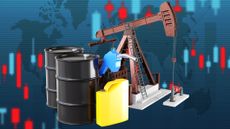 Iran and the Global Oil Industry: A Kiplinger Special Report
The Kiplinger Letter Even after the war ends, oil producers and importers will be racing to lessen their reliance on oil shipments through the Persian Gulf.
By Jim Patterson
-
 Why Dave Ramsey Says Retiring at This Particular Age Is a Big Mistake
Sixty-two is the average retirement age in America, but Dave Ramsey explains to Kiplinger why leaving the workforce early could harm your financial security.
By Donna Fuscaldo
-
 5 Assets You Should Hold Onto in Retirement (Even If You Need the Cash)
Sitting on little gold mines? It's natural to want to cash out when you retire. Here’s why you may not want to.
By Donna Fuscaldo
-
 The Average 401(k) Balance by Age and Generation in 2026
How did your 401(k) balance and savings rate rank vs savers your age in the first quarter of 2026? Learn the keys to building a retirement account that will last a lifetime.
By Adam Shell
-
 When Is Prime Day 2026?
Amazon Prime Amazon Prime Day is almost here. Learn when the sale starts, who can shop and how to avoid overpaying.
By Rachael Green
-
 Do You Know the Pros and Cons of Annuities? Test Your Knowledge With Our Quiz
Quiz The financial professionals who contribute to Kiplinger's Adviser Intel regularly write about annuities.
By Joyce Lamb
-
 SpaceX IPO: Should You Buy SPCX Stock?
The massive SpaceX IPO is almost here, with Elon Musk's space exploration and satellite company expected to start trading this Friday.
By Karee Venema
-
 Investor Jeremy Grantham on AI Stocks, Long-Term Opportunities and the Importance of Patience
"Look at the ebb and flow. If an asset delivers a gigantic outperformance, then move your money to cheaper ones."
By Anne Kates Smith
-
 Does Inflation Mean Your Retirement Plan Is Running on Empty?
Anchoring your retirement plan to short-term inflation is the financial equivalent of a gas tank running on empty — it works great until it leaves you stranded.
By Jesse W. Hurst, CFP®, AIF®
-
 How to Master the Art of Family Business Succession
You might hope for an easy transition, but your children could have different ideas about who gets what. Talking about it early could head off divisions.
By Mike Moore
-
 Where to Find the Top Yields For the Rest of 2026
Interest rates are rising along with geopolitical tensions. Pocket yields as high as 13%, depending on your tolerance for risk.
By Andrew Tanzer
-
 Financial What-Ifs You Need to Discuss While the Going's Good
Life events can wreak greater havoc with finances than any market downturn. Here are some pointers on holding "that" conversation with your loved ones.
By Karen B. McIntyre, CFP®
-
 How to Avoid Fuel Surcharges on Your Summer Travel
Don't let soaring airfares and flight disruptions upend your summer vacation plans. These steps can help.
By Martha C. White
-
 What You Need to Know About Private Credit
Read our FAQ to find out why worries about these loans are roiling financial markets and whether fears are overblown.
By Anne Kates Smith
-
 The Penny Is Dead, So Why Is the U.S. Mint Bringing Them Back?
Collection Taxes While circulation ended in 2025, "dual-date" pennies are officially here. Here's why the IRS treats these coins differently from pocket change.
By Kate Schubel
-
 Wealth Wise: Should We Bankroll Our Son's Law School Tuition?
In our retirement advice column, Wealth Wise, we help a couple weigh whether to lend their son $180K for his tuition or protect their savings.
By Maurie Backman
-
 5 Retirement Lifestyle Upgrades That Cost Less Than You Think
Reframing splurges as "intentional reallocation" of money can help you overcome spending anxiety and enhance your quality of life. Here are some suggestions.
By Jeff Judge, CFP®, ChFC®, CLU®, AEP®
-
 The Real Cost of a Vacation Home, From a Financial Planner
Before you buy a vacation home, do your homework. Be realistic about mortgage rates, local regulations that limit rental options, insurance and upkeep.
By Lawrence Sprung, CFP®, CEPA®
-
 The Right and Wrong Questions to Ask About Annuities
Annuities have costs and limitations, but also serve a real purpose for some investors. Before dismissing them as a retirement option, find out how they work.
By Robert D. Blair, CFP®
-
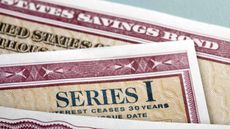 How Are I Bonds Taxed? 8 Common Situations to Know for 2026
Bonds Series I U.S. savings bonds are a popular investment, but the federal income tax consequences are anything but straightforward.
By Joy Taylor
-
 Worthy Value Stocks to Consider Now
Value stocks are super-cheap and can add some defense to your portfolio. We found some worthy names to consider now.
By Nellie S. Huang
-
 Ready to Splurge in Retirement? Ask Yourself These 3 Questions First
Want to spend your hard-won retirement savings but feel guilty about it? Don't. If you can answer these three questions, you have permission to splurge.
By Donna Fuscaldo
-
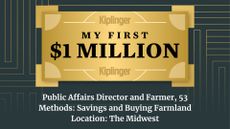 Why This Millionaire at 53 Credits Warren Buffett for His Success
"I feel like I got a lot better at investing when I started listening to Warren Buffett and Charlie Munger."
By Joyce Lamb
-
 9 Tax Surprises Retirees Don't See Coming Until It's Too Late
Most of these tax surprises are avoidable, but many retirees aren't ready for the shift in how and when taxes show up in retirement. These strategies can help.
By Kyle Hammerschmidt, Investment Adviser
-
 How to Stop Second-Guessing Careful Financial Decisions
When financial choices never feel settled, the issue often isn't the plan itself, but how your priorities, emotions and mindset shape the way you stick with it.
By Frank J. Legan
-
 The Discipline You Can Apply to Your Portfolio to Save Money
You can help protect your retirement by focusing on the one factor you can control — the unexpected costs of investing. Here's what to consider.
By Matt Green, Investment Adviser Representative
-
 How Much Should You Save in An Emergency Fund?
We'll show you how much to save in an emergency fund and strategies to help you reach your goals.
By Sean Jackson
-
 50 Digital Tools to Make Extra Cash in Retirement
Check out 50 tools and apps to help you jumpstart your retirement side hustle with confidence.
By Kathryn Pomroy
-
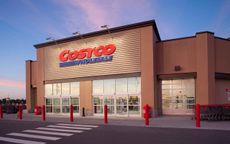 10 Worst Things to Buy at Costco
Smart Buying Costco gets big ups from shoppers and shopping experts alike for its high-quality products and low prices. However, it's not always the wisest choice to buy these products in bulk.
By Bob Niedt


