Is Real Estate Investing Still a Safe Bet? 4 Traditional Benefits and Where They Stand Today
Should you invest in real estate? Here's why you can no longer assume its core benefits — appreciation, yield, depreciation and protection from inflation — will be guaranteed.

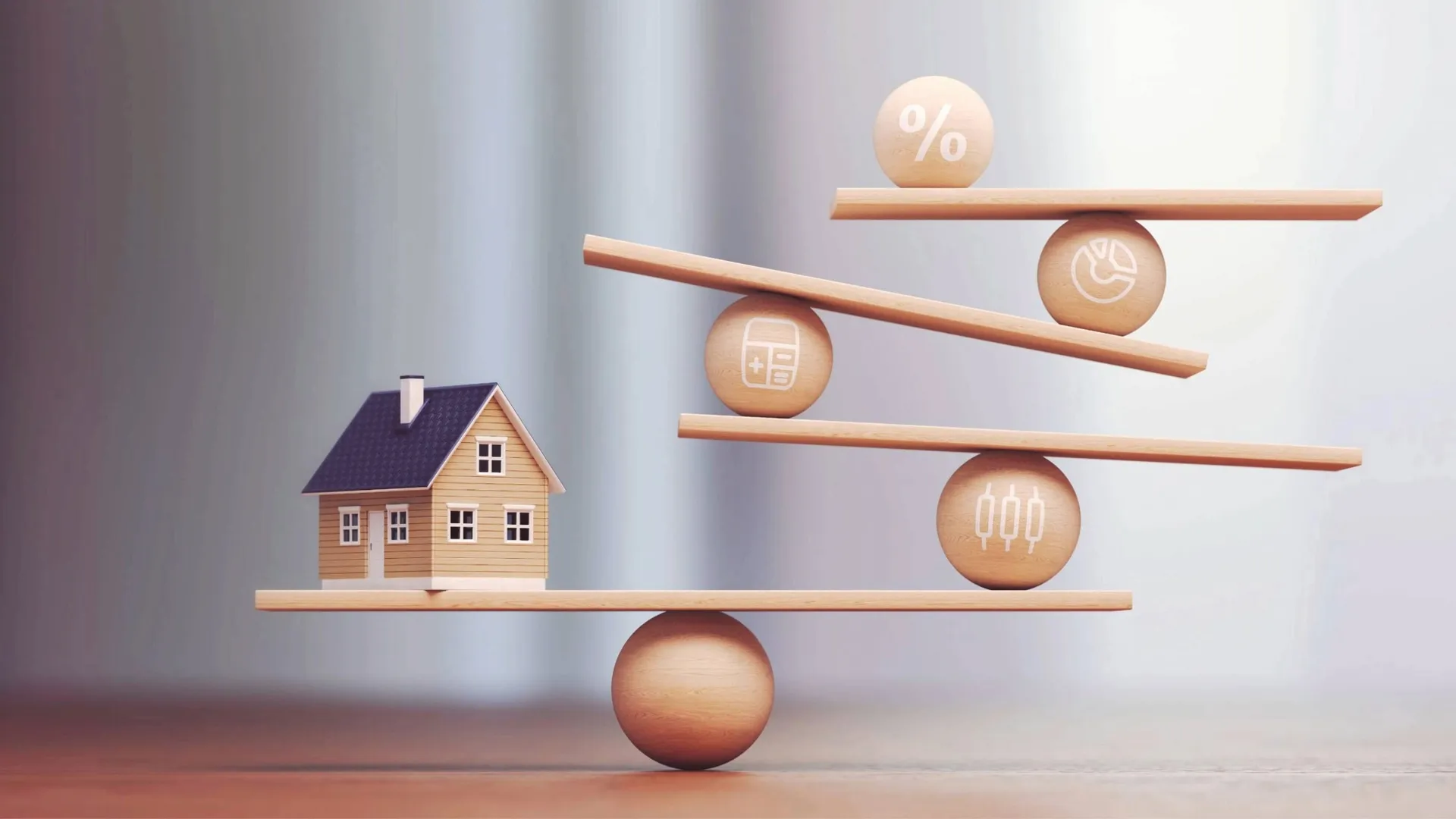
Many investors see real estate as the ultimate asset class. Appreciation potential. Steady income. Tax breaks. Inflation hedging. What more could you ask for?
The reputation is well-earned. Real estate investments can offer all of those benefits while diversifying your portfolio and giving you a stake in something tangible.
But the same promises that have made real estate so attractive for so long will trip you up if you take them for granted. Appreciation, yield, depreciation and protection from inflation aren't guarantees. They're assumptions. And unless you gain a basic understanding of which factors influence each one, you're making an investment you don't understand.
From just $107.88 $24.99 for Kiplinger Personal Finance
Become a smarter, better informed investor. Subscribe from just $107.88 $24.99, plus get up to 4 Special Issues

Sign up for Kiplinger’s Free Newsletters
Profit and prosper with the best of expert advice on investing, taxes, retirement, personal finance and more - straight to your e-mail.
Profit and prosper with the best of expert advice - straight to your e-mail.
Here's what you should know about the four traditional benefits of real estate and where they stand in 2026.
Appreciation
Appreciation tends to get all the attention. Whether you're riding a trending market or flipping properties to sell at a profit, it's the biggest upside real estate has to offer. But it's also the least certain to actually materialize.
For years, cheap debt and rising valuations made appreciation a pretty safe bet. Then interest rates rose overnight and the math changed. The market we find ourselves in today is fundamentally different from the market of five years ago.
This is the nature of appreciation. It rides the macroeconomic winds, and those are hard to predict. For substantial appreciation to return broadly in the current market, we need existing supply to be absorbed and interest rates to drop. That might happen over the next five years. It might not.
In a market like this, appreciation should be your upside, not the plan that your investment relies on.
Yield
A good real estate investment puts money in your pocket today. That's the foundation. Without dependable cash flow underneath a deal, there is no floor when valuations fall or the capital markets tighten. It's what services debt, keeps operations flowing and stops you from counting on appreciation to bail you out.
And in the saturated low-cap-rate markets most investors are looking at today, it's becoming hard to find. A property that generates only 4%-5% of its purchase price in yearly income leaves little margin once debt service is accounted for.
Finding real yield often means going where large institutional capital is not: Secondary markets — the smaller cities and overlooked metros that have real demand without the inflated prices, so that the income can cover the debt and still put money in your pocket.
The investment shouldn't need rent growth or a future refinance at a lower rate to work. If operational improvements can bump up the revenue, that's a bonus. But cash flow should be rock solid from day one.
Depreciation
Depreciation lets you take a paper loss against real income even if no cash leaves your pocket. All kinds of assets depreciate, but real estate is one of very few that can generate revenue and even appreciate in the real world while generating a tax loss on paper.
The IRS lets you deduct the gradual wear and tear of a property over time: 27.5 years for residential real estate or 39 for commercial. But by doing a cost segregation study, you can generally bonus-depreciate 30%-40% of a property's value in year one.
That wasn't always the case. The One Big Beautiful Bill Act (OBBBA) made 100% bonus depreciation permanent just last year, and it could change again in the future. The IRS has the final say.
Make sure your tax strategies line up with the tax code, not your assumptions.
Inflation hedging
The idea behind inflation hedging is simple. Inflation pushes prices higher, rents follow, and your real estate income grows as purchasing power falls. But the economics are never really that straightforward.
Rent is determined by supply and demand, not the Consumer Price Index (CPI). A landlord cannot raise rents 5% because inflation is 5% if competing properties are vacant and tenants have viable alternatives.
This is currently the case for many of the markets that saw heavy apartment construction over the past decade. When vacancy climbed sharply, inflation became irrelevant. Excess housing supply forced landlords to compete on price. Rents fell.
Stronger inflation hedging is found in markets where demand is durable and supply is genuinely constrained. Stable population, limited new construction. Those are the fundamentals that give a property actual pricing power.
The real question
Real estate isn't a magic wand. It's an asset class like any other, and it must be evaluated one investment at a time within the broader market and its ever-shifting trends.
Leaving it out of your portfolio means giving up on some of the most versatile investments you can make. But treating its potential benefits as intrinsic guarantees is a dangerous oversimplification.
Look at the tax code, the macroeconomic trends and the market conditions that underpin every real estate venture. If the fundamentals are there, the benefits take care of themselves.
Related Content
- What Home Equity Is and Why It's a Valuable Long-Term Investment
- How to Grow Your Wealth Like the Real Estate Moguls Do
- Should You Rent or Sell Your Home When You Relocate? How to Decide
- I'm a Real Estate Pro: This Is Why (and How) I'm Deferring My Taxes Until I Die
- The 60/40 Portfolio Had Its Run: Here's Where I Keep My Money Now (and It's Not Bonds)
