$63 Million Family Dollar Settlement: How to Get Your Refund Check
A new FTC complaint charges Family Dollar with posting misleading prices and overcharging customers.

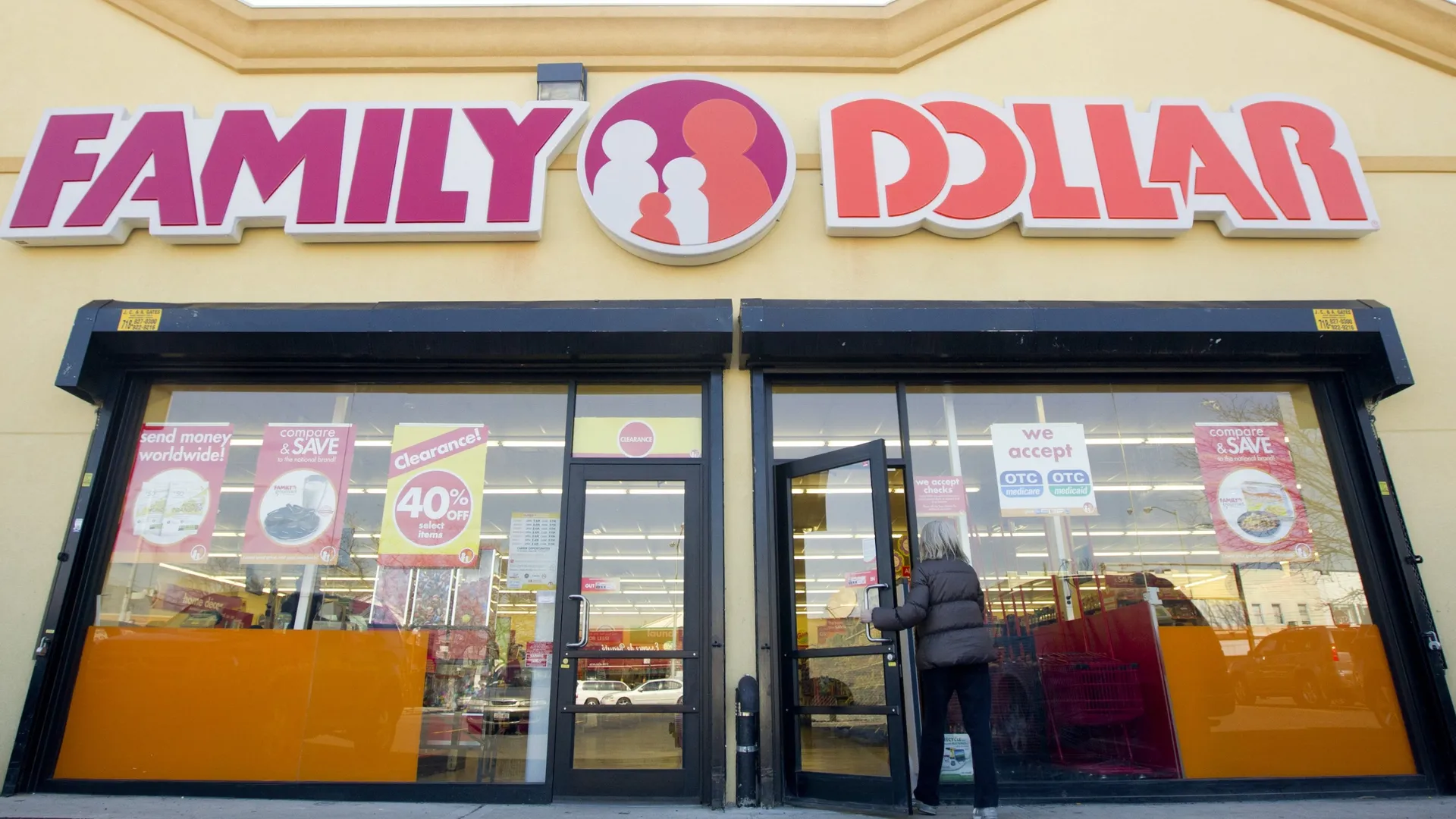
The Federal Trade Commission (FTC) along with 17 states filed a complaint on November 12 alleging that Family Dollar, a nationwide discount retailer, has been overcharging its customers for years. According to the complaint, "Family Dollar routinely charges more at checkout than the prices displayed on its shelves, in its weekly circulars, and on its website and mobile app."
Family Dollar agreed to settle the complaint for $63 million – including $40 million in refunds to eligible customers – and to implement a pricing accuracy program that will be independently reviewed and certified annually.
For customers who have relied on the discount retailer for low prices on everyday essentials, the news is a sigh of relief as Family Dollar will soon be taking steps to make sure prices are accurate. But it's also a reminder to scrutinize your receipts and be a more skeptical consumer in general.
From just $107.88 $24.99 for Kiplinger Personal Finance
Become a smarter, better informed investor. Subscribe from just $107.88 $24.99, plus get up to 4 Special Issues

Sign up for Kiplinger’s Free Newsletters
Profit and prosper with the best of expert advice on investing, taxes, retirement, personal finance and more - straight to your e-mail.
Profit and prosper with the best of expert advice - straight to your e-mail.
What does the FTC complaint against Family Dollar say?
The November complaint filed by the FTC cites repeated customer complaints about cashiers and store managers refusing to honor the prices shown on store shelves or in advertisements. This allegedly resulted in millions of dollars in overcharges as customers paid more at checkout than they expected based on advertised prices.
The issue, according to the FTC, stemmed primarily from the retailer's practice of automatically updating prices at the point of sale (the cash register) without ensuring that shelf labels or online list prices had been updated as well.
But the FTC also cites complaints that Family Dollar frequently refused to honor the prices advertised in its circulars, even when customers were buying the items during the dates advertised. Similar complaints have been made about the retailer's "Smart Coupons" available on the mobile app but not always available in store due to issues with the app.
Because items can be scanned quickly and customers often reasonably assume that the price on the shelf or on the app is the price they'll pay, "Some consumers do not discover overcharges until after they are charged or even after they return home; others may never discover them at all," said the FTC in the complaint.
This isn't the first time Family Dollar has been fined for inaccurate prices
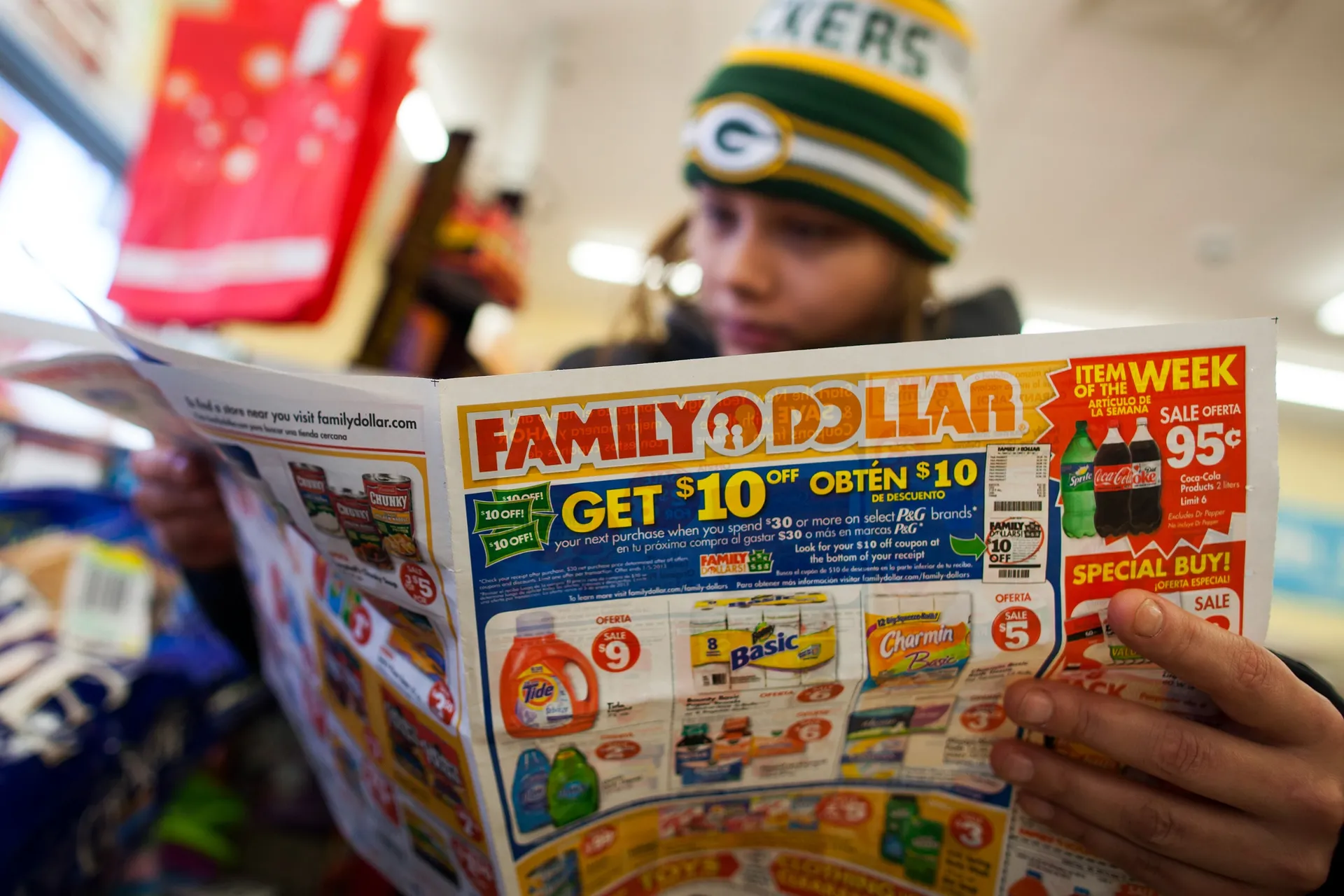
Many state and local government agencies conduct pricing inspections to make sure the prices retailers advertise are accurate. Across the 17 states that filed charges, over 1,000 pricing inspections were done at hundreds of Family Dollar locations, according to the complaint.
The retailer's failure rate ranged from 19% of inspections in Florida up to 83% in Ohio. In some locations, the stores failed every single inspection done, with up to 60% of items in these stores having inaccurate prices.
These repeated failures resulted in over 2,000 fines levied on the retailer between 2022 and 2025, totaling at least $3 million. Many Family Dollar locations continued to fail pricing inspections into 2026.
What the FTC has ordered Family Dollar to do
The full $63 million settlement isn't going entirely to customer refunds.
Here's what the FTC order requires:
- $40 million will go to a consumer redress fund. That's where the refund checks will come from. Find out more about eligibility and claims for this portion of the settlement below.
- $20 million will come in the form of a discount program. Basically, look forward to seeing a two-day storewide sale where prices across the board are slashed 15%. The only things excluded from the mandatory discount program are alcohol, tobacco, gift cards and other prepaid cards. The dates for this have not been set yet, but Family Dollar will be required to announce them.
- $3 million will be paid out in fines to the 17 states that filed charges against Family Dollar.
- Implement a pricing accuracy program within 90 days. The program will be independently reviewed and certified every year, and it must include a "lowest price policy." For customers, that means if the price on the shelf (or the advertisement) is lower than the price at the register, the lower price is what you pay. This puts the burden on the store to make sure advertised prices are accurate.
For customers, that means that in addition to receiving a refund if eligible, you can potentially save more by taking advantage of the extra 15% price cut during the discount program.
When the pricing accuracy program goes into effect, it also means you can bring proof of the lower price, like a photo of the shelf price taken with your phone or a copy of the circular, with you to checkout to make sure you pay the price advertised.
Who is eligible for a refund from the Family Dollar settlement?
According to the FTC order, eligible customers include those who made any purchases from Family Dollar at any point between January 1, 2023, and October 1, 2026.
It's not clear yet what proof you would need to provide, if any, that you made a purchase between those dates. It could be as simple as stating that you did on the claim form, or you might need to provide receipts.
The good news is that the order doesn't appear to require customers to provide documentation regarding specific cases of being overcharged. But you might want to start digging through your bank statements now in case you're required to provide some proof of how many purchases you made during the eligible time period.
How to get your Family Dollar refund check
The $40 million consumer redress fund is where the money will come from for refund checks to eligible customers. The settlement website is not live yet, but Family Dollar will be required to post links to it on the retailer's website. The retailer also must include details on how to file a claim on the notices the FTC has ordered the company to post in all of its stores. So keep an eye out for that.
Once the website is up, you should find instructions for how to file a claim, and customers will have 180 days from the date that the claim form becomes available to file.

How to avoid being overcharged at the store
Family Dollar isn't the only retailer facing inaccurate pricing charges. The FTC filed a similar case against Dollar General in October. While that case is ongoing, it's a wake-up call for consumers who tend to assume their items are going to ring up at the same price they saw advertised.
While you should be able to trust the accuracy of advertised prices – and state and local pricing inspections mean that, for the most part, you can – it's worth being a little extra vigilant. Here are a few tips to help you avoid being overcharged:
- Watch the prices as the cashier rings up each item and speak up if something doesn't look right.
- If you're buying something that's on sale, bring the advertisement with you or take a picture of the tag on the shelf advertising the sale with your phone. Many retailers already have a "lowest price policy" in effect, so the advertised price will likely be honored.
- If a store refuses to honor an advertised price, complain. You can post complaints on the Better Business Bureau, leave reviews on Google or Yelp, or even take to social media to talk about your experience.
It might feel like you're screaming into the void when you share your experience on platforms like those mentioned above. But the FTC relied on complaints from these exact sources when building its case against Family Dollar.

Related content