The Best and Worst Changes for Your Money in 2026
The biggest money moments of 2026 include higher inflation, big leadership changes and a resilient consumer.

Kiplinger Personal Finance Magazine rounded up the trends, products, surprises and other developments that have defined 2026: The good, the bad, the extreme and the intriguing.
While rising prices (especially at the pump) and economic uncertainty contributed to consumers' financial stress, plenty of fun, interesting and positive elements bubbled up, too — social media movements, pop-culture moments, unexpected bargains and more. Along with exploring those themes, we've included some helpful takeaways to bring with you into the new year. This is the first part of the series, wherein we take a look at the best and most intriguing money developments in 2026.
This year has had its share of bumps. But not everything was doom and gloom, financially speaking. Here are some things that went right or could meaningfully impact the finances of many Americans.
From just $107.88 $24.99 for Kiplinger Personal Finance
Become a smarter, better informed investor. Subscribe from just $107.88 $24.99, plus get up to 4 Special Issues

Sign up for Kiplinger’s Free Newsletters
Profit and prosper with the best of expert advice on investing, taxes, retirement, personal finance and more - straight to your e-mail.
Profit and prosper with the best of expert advice - straight to your e-mail.
A remarkably resilient consumer and economy
Earlier this year, many Wall Street pundits put the odds of a recession in 2026 at nearly 50-50. So far, so … not that bad. Despite multiple shocks — tariffs, war, you name it — the economy continued to grow modestly, and unemployment remains relatively low at a recent 4.2% rate.
And though many people are feeling anxious about their money, consumers are still spending, especially in better-off households. Says Matt Schulz, chief consumer finance analyst at LendingTree, "By and large, Americans are still handling their business pretty well despite all the noise and uncertainty surrounding them."
Read more: What the K-Shaped Economy Really Means
Some prices actually fell. True, the drops were not enough to counter the overall rise in the cost of consumer goods and services. But any relief is welcome. Over the 12 months through the end of August, the price of eggs fell 23%, as farmers rebuilt their flocks after losses from the avian flu in 2025, according to the Bureau of Labor Statistics.
Other price drops included calculators and other consumer information equipment (down 14.1% over the same period), smartphones (-12.2%), butter (-8.3%), auto insurance premiums (-5.1%), cheese (-3.4%), bacon (-3.4%) and nonprescription drugs (-2%).

There's new blood at old places. This year saw a major changing of the guard at iconic companies and financial institutions. At Berkshire Hathaway (BRK.B), revered investor Warren Buffett ceded the CEO job to Greg Abel at the start of the year, then stepped down as chairman of the board in September, with his son Howard Buffett taking his place.
That same month, John Ternus succeeded longtime Apple (AAPL) CEO Tim Cook, who'd held the position for 15 years. And in May, Kevin Warsh became the new chair of the Federal Reserve, taking over from Jerome Powell, who served eight years in the role. The Fed's first major decision under Warsh, to raise interest rates against the stated wishes of the White House, seemed to indicate he will act in ways that maintain the central bank's independence.
Read more: What's Next for Apple with a New CEO
Some bipartisan cooperation emerged. While rancor, disagreement and stalemate dominated most money-related initiatives in Washington, there were a few examples of kumbaya. Chief among them: In July, Congress enacted a comprehensive bill aimed at increasing housing supply and affordability, which was cosponsored by members of both parties and passed by overwhelming bipartisan majorities.
That same month, the House also passed a bill, by a 414-2 vote, to protect older Americans from financial fraud, while a bipartisan group of senators introduced a procedural bill to compel Congress to come up with a binding framework to fix Social Security.
Help came from unexpected places. With the average credit card rate around 21%, nobody's going to give issuers a gold star for consumer friendliness. Yet many have been more responsive to consumer needs as financial pressure on them mounted this year.
A June LendingTree survey found that 84% of cardholders who asked for a lower rate in the past year got one, the highest success rate in the six years the company has been tracking the data. Late fees, balance-transfer fees and foreign-transaction fees were being waived too.
Says Schulz, "People should realize they have more power over their money than they think they do."
Read more: Feeling Hopeless About Your Credit Card Debt? Turn That Around in 7 Steps
What hasn't gone so well this year
There's no way to sugarcoat it: 2026 has proved to be a tough year for a large number of Americans, with various surveys showing record levels of financial stress, even among many higher-income households.
What's making everyone so anxious? Among the year's lowlights:
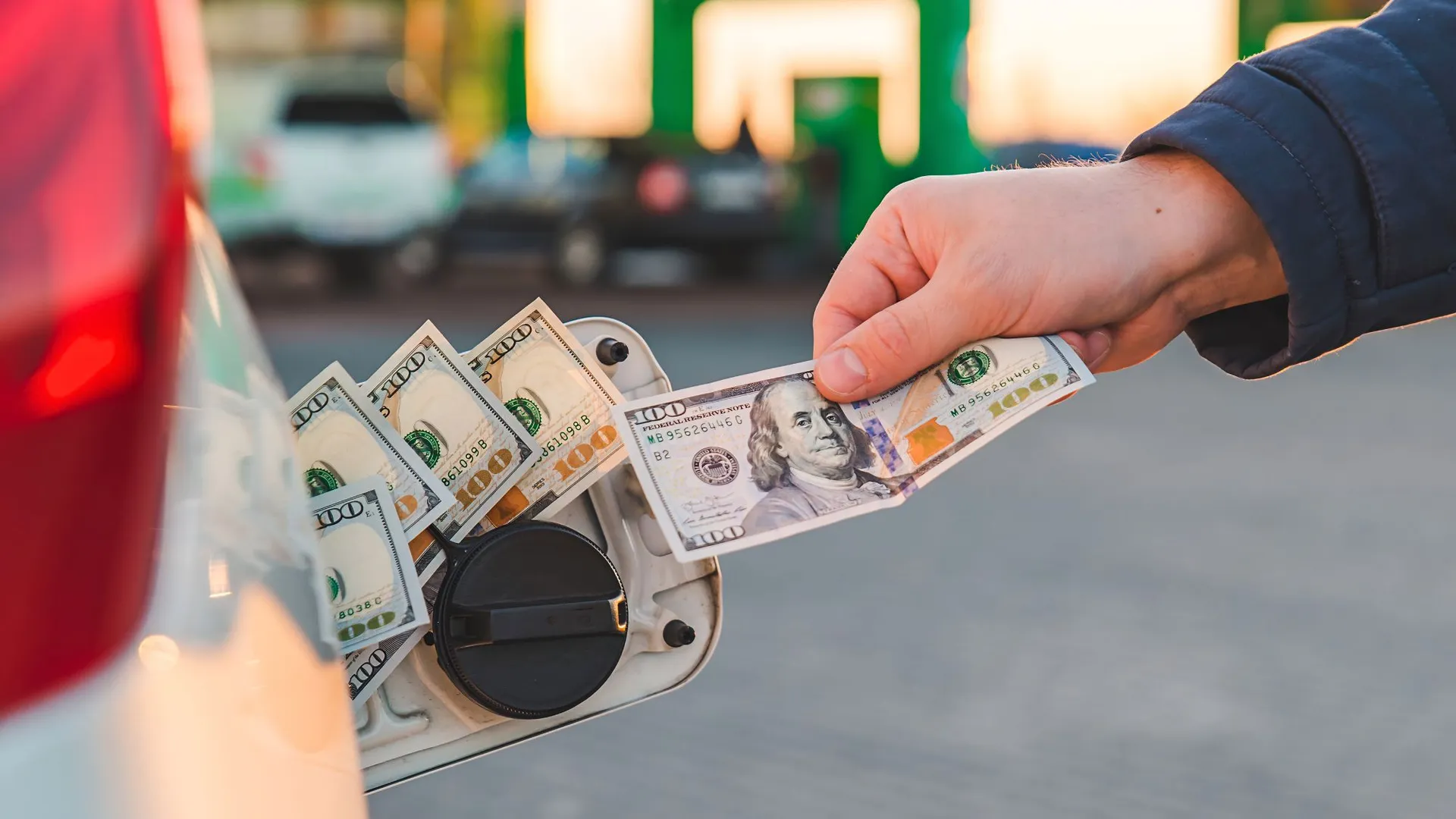
Inflation went up, up and away. Sparked by the Iran war, fuel prices saw the biggest jumps, with gas up nearly 60% and diesel surging 85% by early October. Other everyday items that have risen by double digits over the 12-month period through August: airfares, computer software and accessories, streaming services, video games, postage, and delivery services.
Overall, the annualized inflation rate for the first eight months of 2026 was 5.1%, compared with 2.7% for the full year in 2025.
Read more: How Prices Have Changed Since the Iran War Started
Data breaches surged. Halfway through 2026, over 470 million breach notices were sent to victims, eclipsing the total for all of 2025 (297.5 million), according to the Identity Theft Resource Center. A key factor driving the trend: a 56% jump in attacks assisted by artificial intelligence, led by AI deepfake impersonations and AI-enabled malware, a 2026 IBM report found.
Mortgage rates hit 7%. The sharp rise to a recent average of 7.43% for a 30-year fixed-rate mortgage — up from 5.99% at the beginning of the year and rates in the 3% to 4% range before the pandemic — wasn't on anyone's bingo card for 2026. The impact: Many prospective buyers have dropped out of the market, and more sellers are cutting their price or offering concessions to try to make a deal, a Zillow report found.

Millions of Americans lost health coverage. Following the expiration last year of enhanced premium tax credits for eligible enrollees in the Affordable Care Act marketplace, about 3 million people dropped their coverage for 2027, federal data shows. Another 750,000 or so ACA policyholders were ejected from plans this September by the Trump administration, which claimed they were enrolled fraudulently.
Congress failed to act on Social Security. Without a fix, Social Security's retirement trust fund is expected to run out of money by the end of 2032, prompting an automatic 22% cut in benefits. The response from Congress? A couple of bipartisan bills have been introduced to study the problem, and a couple of Democratic proposals promote solutions such as eliminating the wage cap that limits how much higher earners pay into the program. None are expected to pass this year.
Read more: 9 Changes Coming to Social Security in 2027
Note: This item first appeared in Kiplinger Personal Finance Magazine, a monthly, trustworthy source of advice and guidance. Subscribe to help you make more money and keep more of the money you make here.
Related Content
- The Best and Worst Presidents for Inflation
- The Best Inflation-Proof Investments for Your Portfolio
- Mortgage Rates Are Rising: What Homeowners Should Do Now
- 7 Ways to Protect Yourself From Online Scams Before They Cost You Money
- Buying Your Own Health Insurance? Bronze and Catastrophic Plans Now Open the Door to HSAs
