Features

-
 A Modern Guide to Money Etiquette: Gifts, Tips, Splitting Bills and More
What is modern money etiquette? The customs for splitting a restaurant check, purchasing a wedding gift, tipping and more have evolved. These guidelines can help.
By Emma Patch
-
 The Best Money Market Funds to Buy
The best money market funds keep your cash safe and earn interest for your portfolio at the same time. That's one constant in an ever-evolving fund industry.
By Tony Dong, MSc, CETF
-
 5 Best Index Funds for Long-Term Growth
The best index funds for long-term growth will work for you if you're an investor looking to compound wealth over time.
By Tony Dong, MSc, CETF
-
 Are You Retirement Savvy? Take This Quiz to Find Out
Quiz Test your basic knowledge of retirement in our quick quiz.
By Donna Fuscaldo
-
 15 Social Security Tasks You Can Do Online
Why visit a government office to get your Social Security business done? You can do much of it online.
By Bob Niedt
-
 Don't Waste Your Money on Bad Gifts. Try This Instead.
Holiday Happiness These strategies, backed by behavioral finance, can help you find presents that your loved ones will truly enjoy.
By Alicia Adamczyk
-
 The Best and Worst Presidents for Inflation
Which commanders-in-chief presided over relative stability in consumer prices, and which ones saw inflation explode higher?
By Kyle Woodley
-
 Where's the Best Place to Store $10k Now?
Knowing where to store $10k positions you to take advantage of high rates now, with the flexibility to pivot if inflation continues to rise.
By Sean Jackson
-
 Does Your Insurance Defense Attorney Have a Giant Conflict of Interest?
What can you do if you're sued, but the defense attorneys your insurance company hires to protect you seem more interested in protecting their own interests?
By H. Dennis Beaver, Esq.
-
 Can I Deduct This? A Quick Tax Quiz
Quiz Answer these five surprising scenarios to see if your write-offs save money or would trigger an IRS audit.
By Kate Schubel
-
 3 Ways to Reclaim Your Wealth
With inflation eroding purchasing power, here are three pivots to help you get back ahead of rising costs.
By Sean Jackson
-
 CDARS: A Tool for Diversifying Your Savings
CDARS offers a streamlined way to spread the money across certificates of deposit at multiple partner banks.
By Ella Vincent
-
 8 Rules for Choosing the Right Financial Adviser
Not all advisers are created equal. Here's how to find one qualified to manage your wealth and protect your legacy.
By Laura Gariepy
-
 Can’t Afford a Starter Home in the US? Some Buyers Are Looking Abroad
Some Americans priced out of the U.S. housing market are buying their first homes overseas. Here’s where they’re looking and the risks to consider.
By Choncé Maddox
-
 How Much Tax You Pay on an Inherited IRA: 4 Rules That Matter
Tax Law Two beneficiaries can inherit similar balances and end up with very different tax bills.
By Kelley R. Taylor
-
 Should You Invest Your Emergency Fund?
You want to have cash on hand when the going gets rough. But what's the best way to store it so you'll know what's there for a real emergency fund?
By Charles Lewis Sizemore, CFA
-
 Where Indexed Universal Life Fits for High Earners
Indexed universal life insurance (IUL) can pair permanent protection with supplemental retirement income, provided the policy is structured properly.
By Mike Walters
-
 Why Does the Fed Prefer PCE Over CPI?
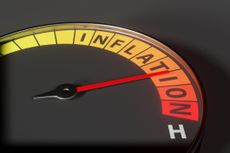
Inflation has been top of mind for lots of folks in recent years. Most of Wall Street follows the CPI, but the Fed favors the PCE. Here's why.
By Charles Lewis Sizemore, CFA
-
 What Is the Federal Funds Rate?
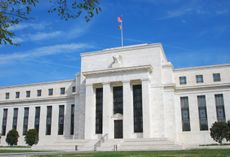
The federal funds rate can impact a host of borrowing costs, and thus the entire U.S. economy. Here's how it works.
By Jeff Reeves
-
 Is Student Loan Forgiveness Taxable in 2026?
The federal tax break on most student loan forgiveness expired at the end of 2025. For some borrowers, that means planning for the potential tax bill.
By Sravani Atluri
-
 The Best Places to Store $50k Now
If you have $50,000 and are looking for guaranteed returns, here are a few smart savings strategies to consider.
By Sean Jackson
-
 6 common tax mistakes for investors to avoid
Advertiser Content Ameriprise Financial Services, LLC.
Sponsored Watch for these common tax mistakes to avoid for investors, to help manage the impact of taxes on your portfolio.
By Ameriprise Financial
-
 Spooky Surcharges: The IRMAA Quiz on Tricky Income Traps
From municipal bonds to Roth conversions — take our quiz to find out if you know which income streams push you into higher Medicare brackets.
By Donna LeValley
-
 The 7 Financial Decisions Worth Revisiting for 2027
Sponsor Content Created With Ameriprise Financial
SPONSORED Get a fresh look at your financial life
By David Rodeck
-
 8 ways to potentially lower your taxes
Advertiser Content Ameriprise Financial Services, LLC.
Consider these strategies to potentially reduce your taxes.
By Ameriprise Financial
-
 Debunking 7 Social Security retirement myths
Advertiser Content Ameriprise Financial Services, LLC
Sponsored Get the facts on how the Social Security program works for retirees.
By Ameriprise Financial
-
 Establishing a cash reserve: How much should you have?
Advertiser Content Ameriprise Financial Services, LLC
Sponsored Discover how a cash reserve can help you navigate life’s unexpected events — and keep you on track for your financial goals.
By Ameriprise Financial
-
 10 Can't-Miss Tax Breaks for Homeowners and Homebuyers
Homeownership These real estate tax breaks can help homeowners get some money back this year. Are you eligible?
By Kate Schubel
-
 8 Tricks to Shop for Glasses if You're Over 50
Shopping for glasses often gets trickier — and more expensive — as you age. If you've over 50, take these steps when you set out to buy a new pair.
By Bruce Horovitz


