What $10,000 a Month Gets You in These 5 Retirement Hot Spots
See what a $10,000 monthly budget actually buys in five top retirement destinations, from rent and dining to healthcare — and how much cash you'll have left over.


Living off $10,000 a month, or $120,000 a year, in retirement may seem like plenty. It's $2.4 million if you retire at 65 and live 20 years, and nearly double the $5,094 a month not-yet-retired Americans polled by Schroders for its 2026 US Retirement Survey said they would be comfortable with.
But how far $10,000 in monthly income goes in retirement depends on where you retire. The cost of living, including rent, groceries, healthcare, utilities, transportation, and taxes, varies from place to place. The good news is that, except in cities such as New York or Los Angeles, $10,000 a month goes a long way.
But how much? From Florida to Texas, here's a look at how much $10,000 a month gets you in five popular retirement destinations across the country.
From just $107.88 $24.99 for Kiplinger Personal Finance
Become a smarter, better informed investor. Subscribe from just $107.88 $24.99, plus get up to 4 Special Issues

Sign up for Kiplinger’s Free Newsletters
Profit and prosper with the best of expert advice on investing, taxes, retirement, personal finance and more - straight to your e-mail.
Profit and prosper with the best of expert advice - straight to your e-mail.
1. Orlando, Florida
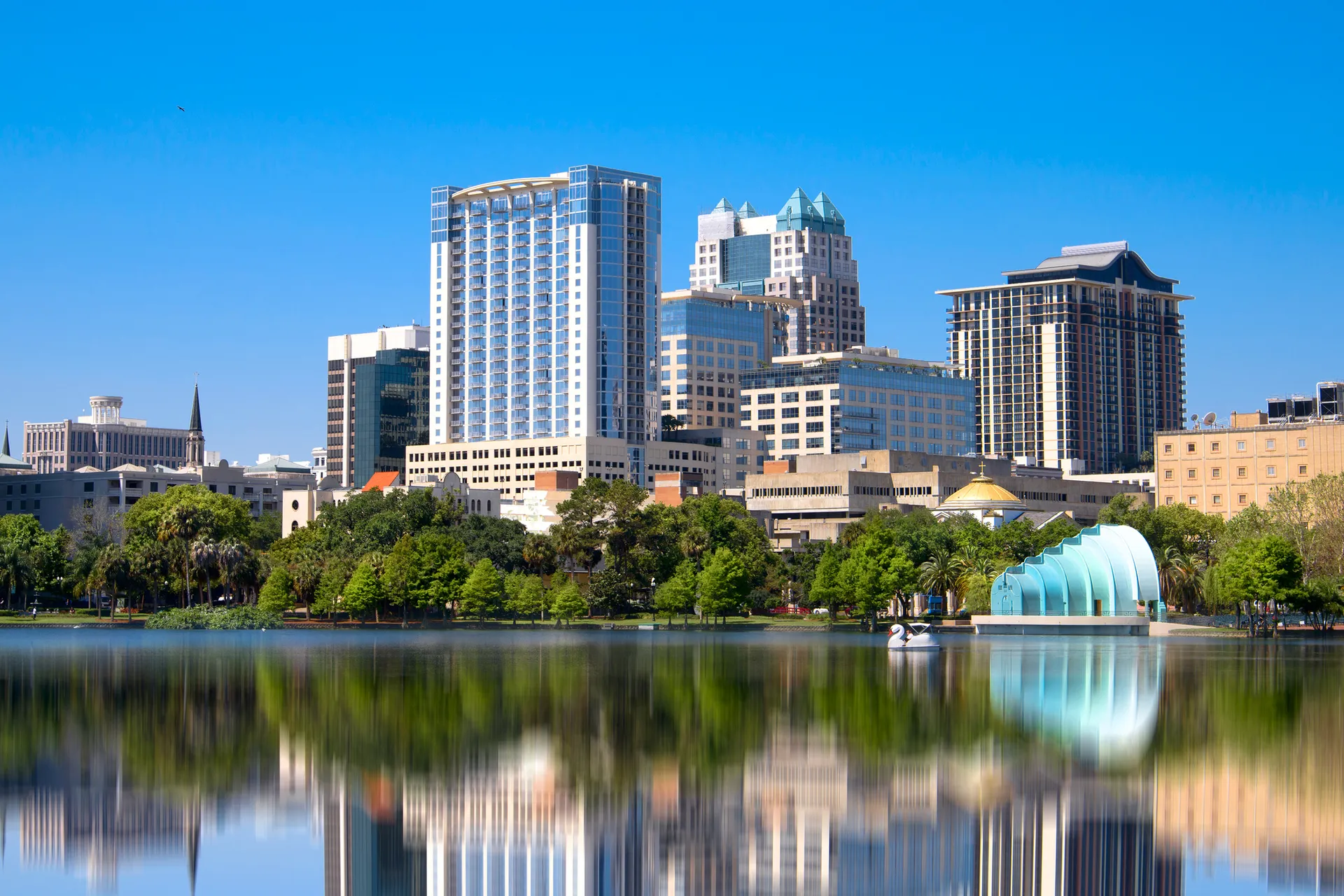
Ranked the best place to retire in 2026 by WalletHub, Orlando is popular with retirees because of its warm climate, countless golf courses, and tax-friendly policies — including no income, estate, or inheritance tax. The city boasts several music venues, art galleries, fishing facilities and adult volunteering opportunities.
Orlando also ranks high for healthcare access and is home to nationally recognized medical networks. It has an international airport and, unlike many car-dependent Florida cities, has the SunRail commuter line connecting surrounding suburbs directly to downtown and major hospitals.
Rent: $1,680 (Based on the median average for a two-bedroom apartment or condo.)
Food: $808 (Calculated using the USDA Moderate-Cost Food Plan for two older adults, adjusted using Orlando’s C2ER Grocery Price Index of 105.1.)
Dining out: $539 (Calculated using the Bureau of Labor Statistics 60/40 food-at-home to dining-out ratio for retiree households.)
Utilities: $371 (Calculated from the Bureau of Labor Statistics Consumer Expenditure Survey baseline for older adult households and adjusted using Orlando’s C2ER Utility Index of 95.8, which is 4.2% lower than the national average.)
Transportation: $720 (Based on the Bureau of Labor Statistics Consumer Expenditure Survey baseline for older adults and adjusted using Orlando’s C2ER Transportation Index of 96, which is 4% lower than the national average. It covers fuel, auto insurance, routine maintenance and vehicle upkeep.)
Healthcare: $642 (Calculated based on the Bureau of Labor Statistics Consumer Expenditure Survey baseline for older adult households and adjusted using Orlando’s C2ER Healthcare Index of 101.1, which is 1.1% higher than the national average. It covers Medicare Part B premiums, supplemental coverage, prescription drugs and out-of-pocket medical services.)
Misc. Goods & Services: $538 (Derived from the Bureau of Labor Statistics Consumer Expenditure Survey baseline for older adult households and adjusted using Orlando’s C2ER Miscellaneous Index of 96.9, which is 3.1% lower than the national average. It covers apparel, personal care and grooming, household sundries and local entertainment.)
Total Monthly Budget: $5,298
2. Scottsdale, Arizona
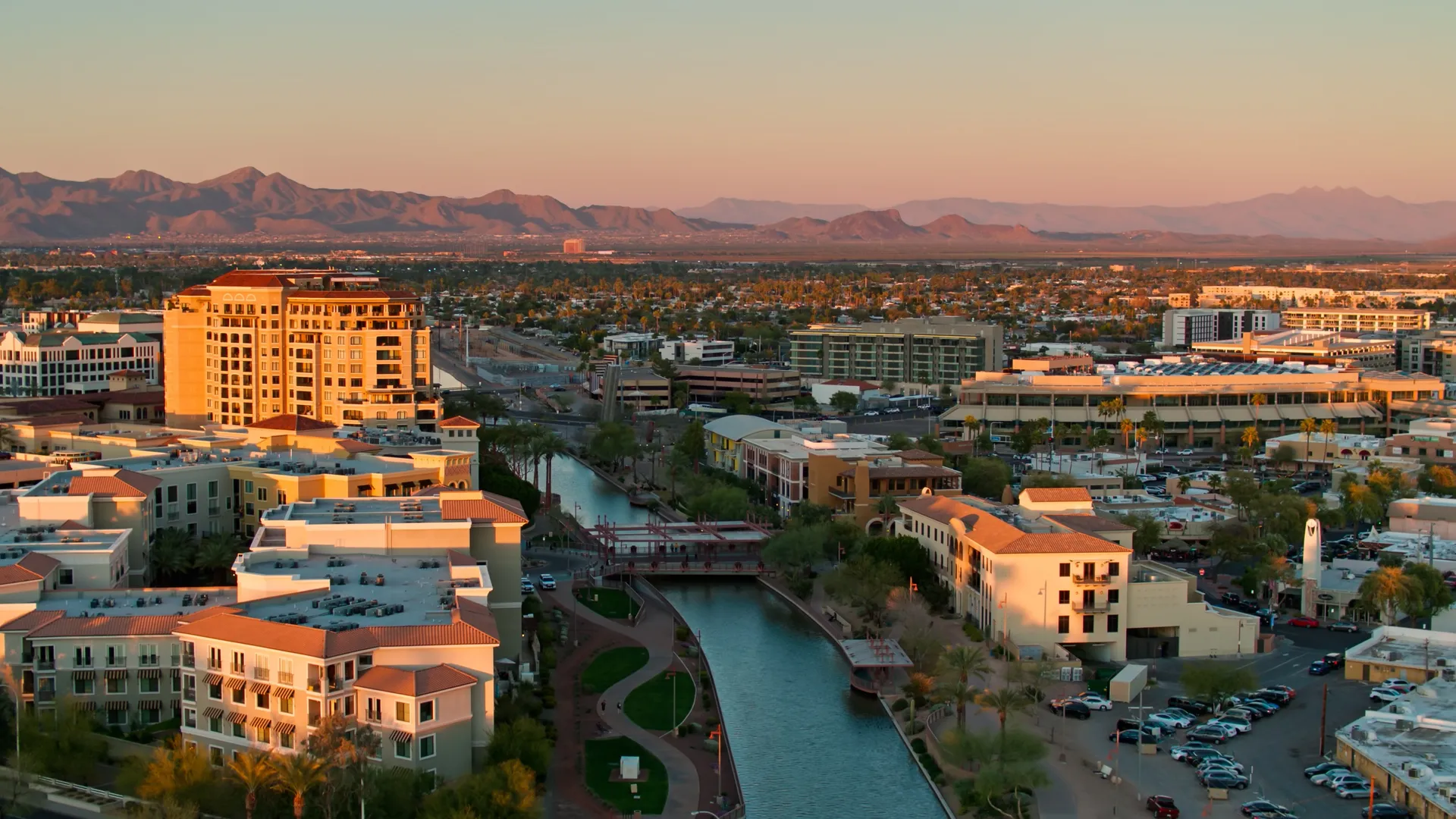
Consistently recognized as a premier retirement destination, Scottsdale, Arizona, blends urban amenities with a desert oasis atmosphere and endless recreation. The city ranked fourth overall on WalletHub’s 2026 Best Places to Retire list, securing the number-one spot nationwide for Quality of Life. With a significant portion of residents aged 65 and older, much of the local infrastructure, social programming, and community support is tailored specifically to that demographic.
The desert scenery is the perfect backdrop for a hike in the Camelback Mountains, a visit to one of the city's art galleries, or dinner at the many restaurants that come to life at night. The city also has several golf courses, numerous hospitals and is close to an international airport. Plus, retirees appreciate the sunny year-round weather in this walkable city and the low crime rate compared to other major metro areas. It doesn't hurt that there is no tax on Social Security, no estate or inheritance tax and a low, flat 2.5% state income tax.
Rent: $2,023 (Based on the median average for a two-bedroom apartment or condo.)
Food: $841 (Calculated using the USDA Moderate-Cost Food Plan for two older adults, adjusted using Scottsdale’s C2ER Grocery Price Index of 104.1.)
Dining Out: $561 (Calculated using the Bureau of Labor Statistics 60/40 food-at-home to dining-out ratio for retiree households.)
Utilities: $538 (Calculated from the Bureau of Labor Statistics Consumer Expenditure Survey baseline for older adult households and adjusted using Scottsdale’s C2ER Utility Index of 138.8, which is 38.8% higher than the national average.)
Transportation: $869 (Based on the Bureau of Labor Statistics Consumer Expenditure Survey baseline for older adults and adjusted using Scottsdale’s C2ER Transportation Index of 115.3, which is 15.3% higher than the national average.)
Healthcare: $609 (Calculated based on the Bureau of Labor Statistics Consumer Expenditure Survey baseline for older adult households and adjusted using Scottsdale’s C2ER Healthcare Index of 97, which is 3% lower than the national average.)
Misc. Goods & Services: $570 (Derived from the Bureau of Labor Statistics Consumer Expenditure Survey baseline for older adult households and adjusted using Scottsdale's C2ER Miscellaneous Index of 106.7, which is 6.7% higher than the national average.)
Total Monthly Budget: $6,011
3. The Woodlands, Texas
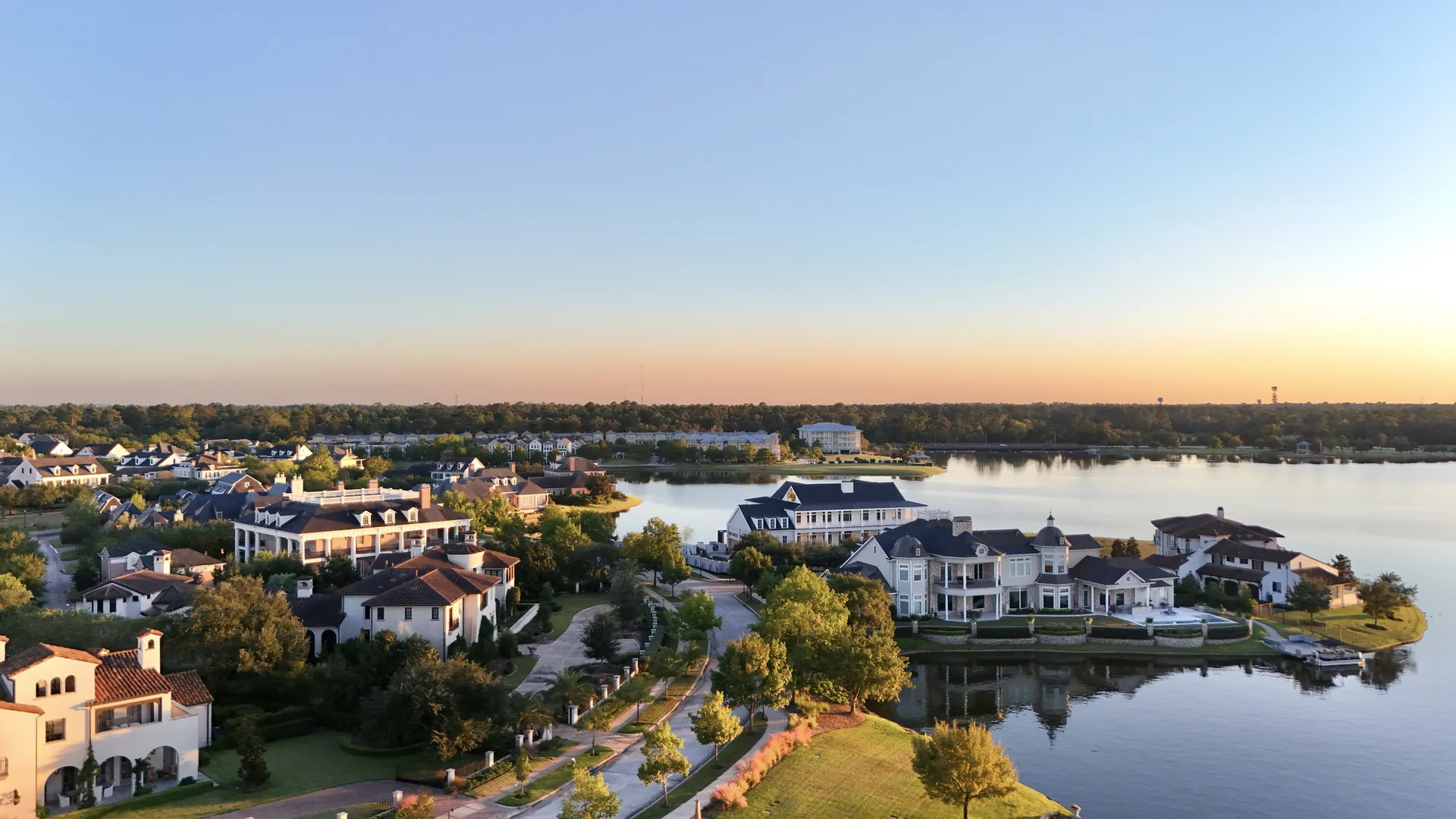
Ranked the best place to retire in Texas and number four in the nation by U.S. News & World Report, The Woodlands, Texas, is a favorite retirement destination in part because of its location just outside Houston. This retirement-friendly community has more than 220 miles of hiking and biking trails, championship golf courses, and The Woodlands Waterway, providing retirees with access to waterfront dining, boutique shopping and live outdoor entertainment.
Residents don't have to deal with state income, estate, or inheritance taxes, plus they have access to state-of-the-art hospitals and medical facilities. The city, which is just a 30-minute drive from an international airport, is also a favorite among older adults because of the low crime rate. Let's not forget the weather in The Woodlands. Winters are mild and snow-free, allowing for outdoor living all year long.
Rent: $1,717 (Based on the median average for a two-bedroom apartment or condo.)
Food: $803 (Calculated using the USDA Moderate-Cost Food Plan for two older adults, adjusted using The Woodland’s C2ER Grocery Price Index of 99.4)
Dining out: $535 (Calculated using the Bureau of Labor Statistics 60/40 food-at-home to dining-out ratio for retiree households.)
Utilities: $416 (Calculated from the Bureau of Labor Statistics Consumer Expenditure Survey baseline for older adult households and adjusted using The Woodland's C2ER Utility Index of 107.4, which is 7.4% above the national average.)
Transportation: $738 (Based on the Bureau of Labor Statistics Consumer Expenditure Survey baseline for older adults and adjusted using The Woodland’s C2ER Transportation Index of 97.9, which is 2.1% below the national average.)
Healthcare: $663 (Calculated based on the Bureau of Labor Statistics Consumer Expenditure Survey baseline for older adult households and adjusted using The Woodland's C2ER Healthcare Index of 105.5, which is 5.5% higher than the national average.)
Misc. Goods & Services: $642 (Derived from the Bureau of Labor Statistics Consumer Expenditure Survey baseline for older adult households and adjusted using The Woodland's C2ER Miscellaneous Index of 120.3, which is 20.3% higher than the national average.)
Total Monthly Budget: $5,514
4. Casper, Wyoming
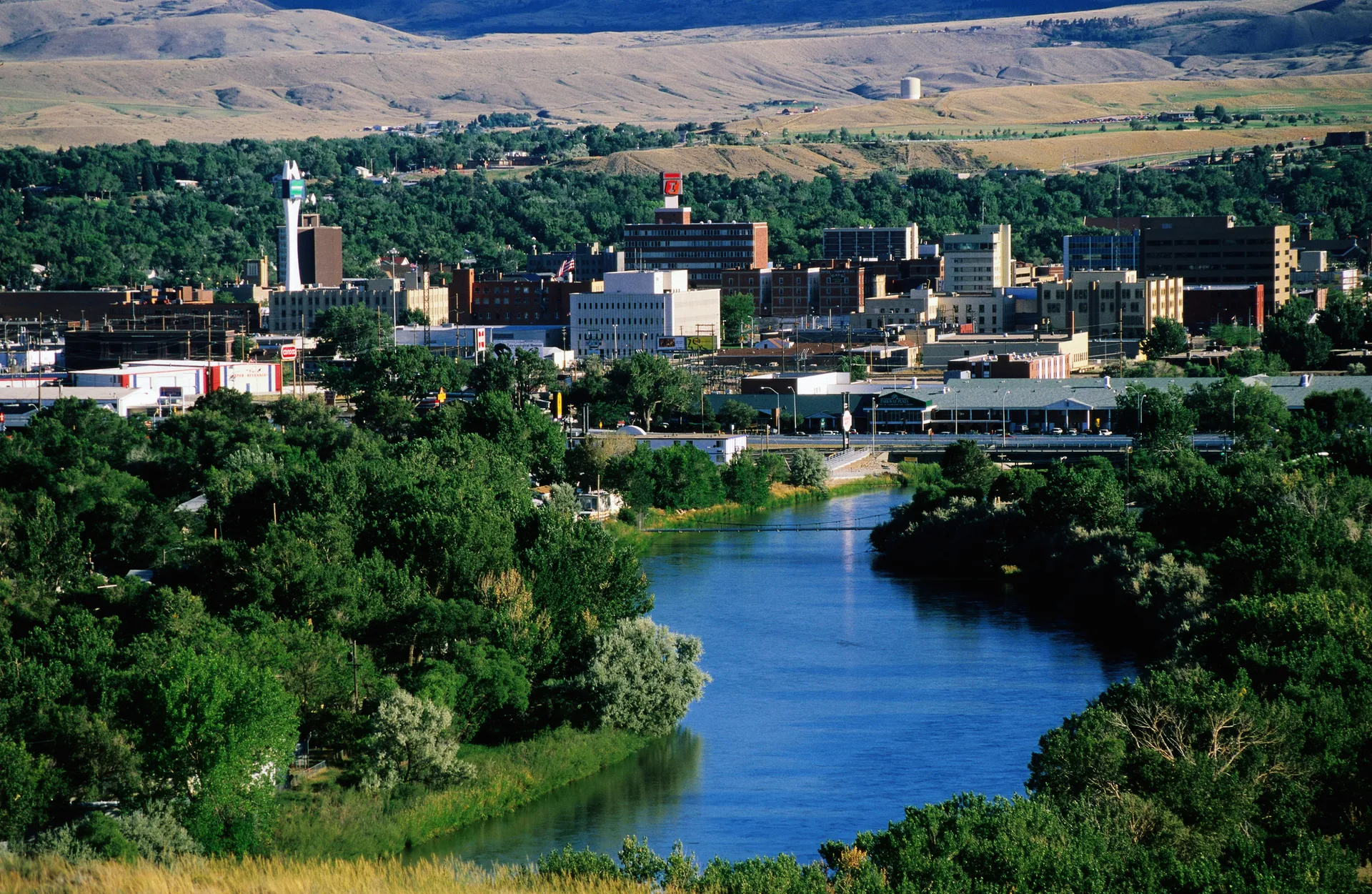
You may freeze a little in Wyoming, but you can do it in style on $10,000 a month, which is why WalletHub ranked the city the number three retirement destination for affordability and number five overall for 2026. The city has a comparatively low cost of living — and there's no Social Security, estate or inheritance tax.
Outside of Wyoming's great track record of protecting its retirees from elder abuse and poverty, the city of Casper is home to world-class blue-ribbon fly fishing along the North Platte River, scenic trails at Casper Mountain and regional healthcare hubs.
Retirees appreciate the tight-knit sense of community, clean mountain air and abundant four-season outdoor recreation. While the closest international airport is hundreds of miles away in Denver (there is a regional airport in Casper), you do have your fair share of restaurants, local craft breweries and cultural spots.
Rent: $1,095 (Based on the median average for a two-bedroom apartment or condo.)
Food: $811 (Calculated using the USDA Moderate-Cost Food Plan for two older adults, adjusted using Casper’s C2ER Grocery Price Index of 100.4.)
Dining Out: $541 (Calculated using the Bureau of Labor Statistics 60/40 food-at-home to dining-out ratio for retiree households.)
Utilities: $342 (Calculated from the Bureau of Labor Statistics Consumer Expenditure Survey baseline for older adult households and adjusted using Casper’s C2ER Utility Index of 88.2, which is 11.8% lower than the national average.)
Transportation: $698 (Based on the Bureau of Labor Statistics Consumer Expenditure Survey baseline for older adults and adjusted using Casper’s C2ER Transportation Index of 92.6, which is 7.4% lower than the national average.)
Healthcare: $605 (Calculated based on the Bureau of Labor Statistics Consumer Expenditure Survey baseline for older adult households and adjusted using Casper’s C2ER Healthcare Index of 96.4, which is 3.6% lower than the national average.)
Misc. Goods & Services: $533 (Derived from the Bureau of Labor Statistics Consumer Expenditure Survey baseline for older adult households and adjusted using Casper's C2ER Miscellaneous Index of 99.9, which is 0.1% lower than the national average.)
Total Monthly Budget: $4,625
5. Charleston, South Carolina
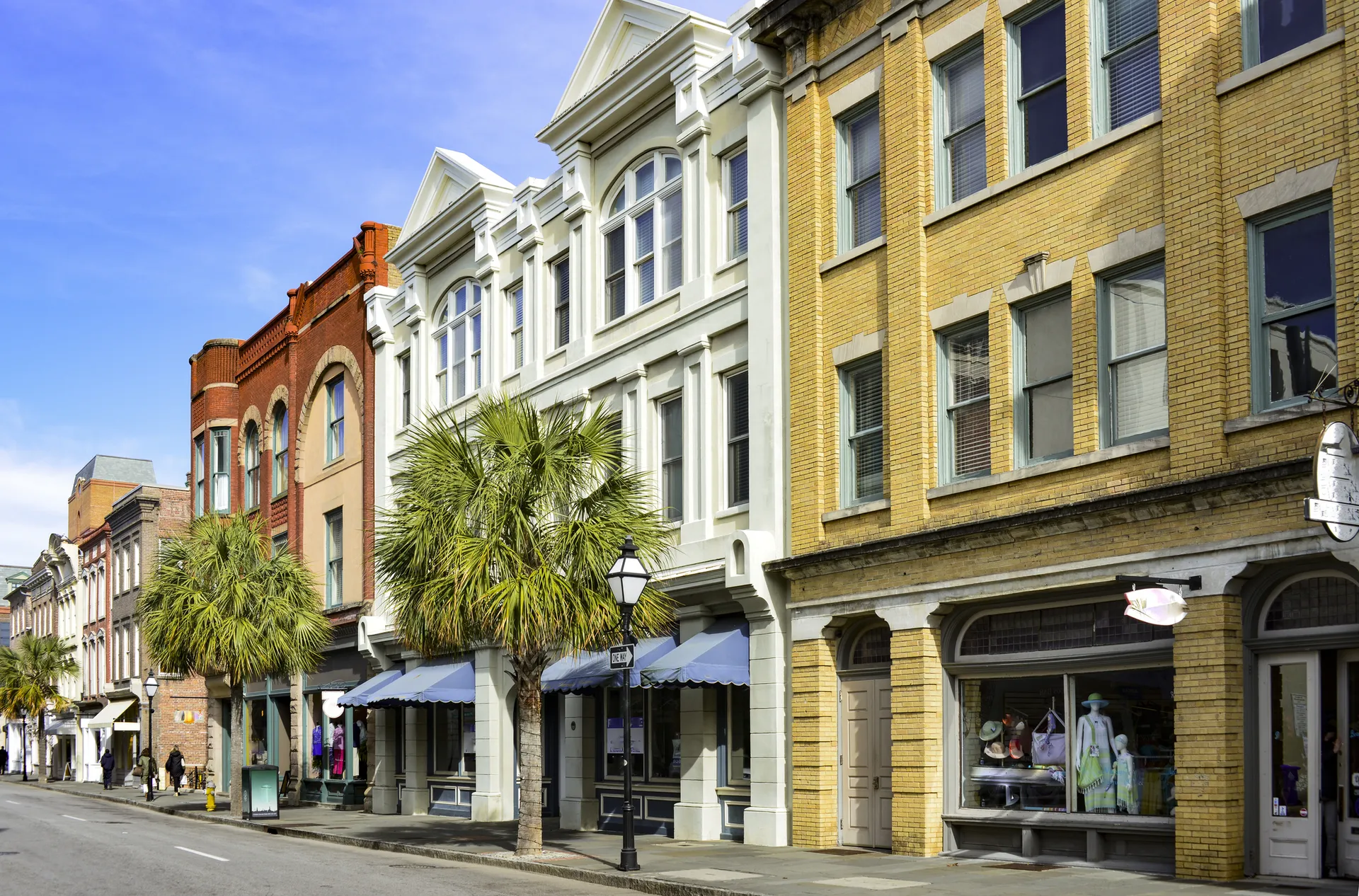
This southern coastal city ranked ninth on WalletHub's 2026 survey and is a popular destination for retirees. Rich in southern history, the city offers high-end dining, shopping, miles of Atlantic coastline, year-round golf and access to arts and culture.
The tax picture is good for retirees: No Social Security, estate or inheritance tax. Plus, adults 65 and up can deduct up to $15,000 of other retirement income from state taxes. South Carolina also has some of the lowest property tax rates in the nation. Need more reason to move to a city that has warm weather most of the year? Charleston features top-tier healthcare, walkable cobblestone historic districts, and convenient access to its own international airport.
Rent: $2,331 (Based on the median average for a two-bedroom apartment or condo.)
Food: $833 (Calculated using the USDA Moderate-Cost Food Plan for two older adults, adjusted using Charleston's C2ER Grocery Price Index of 103.1.)
Dining Out: $555 (Calculated using the Bureau of Labor Statistics 60/40 food-at-home to dining-out ratio for retiree households.)
Utilities: $389 (Calculated from the Bureau of Labor Statistics Consumer Expenditure Survey baseline for older adult households and adjusted using Charleston’s C2ER Utility Index of 100.4, which is 0.4% higher than the national average.)
Transportation: $703 (Based on the Bureau of Labor Statistics Consumer Expenditure Survey baseline for older adults and adjusted using Charleston’s C2ER Transportation Index of 93.3, which is 6.7% lower than the national average.)
Healthcare: $605 (Calculated based on the Bureau of Labor Statistics Consumer Expenditure Survey baseline for older adult households and adjusted using Charleston’s C2ER Healthcare Index of 96.4, which is 3.6% lower than the national average.)
Misc. Goods & Services: $521 (Derived from the Bureau of Labor Statistics Consumer Expenditure Survey baseline for older adult households and adjusted using Charleston's C2ER Miscellaneous Index of 97.5, which is 2.5% lower than the national average.)
Total Monthly Budget: $5,937
$10,000 can get you a lot
This is just a small sampling of what $10,000 a month can get you in retirement, but the good news is it can get you a lot. A big chunk of your retirement budget will go to housing, whether you rent, own, live in an expensive retirement community, or need assisted living.
Healthcare will account for another large part, depending on your overall health and the type of supplemental coverage you choose.
Ultimately, this demonstrates that $10,000 can comfortably cover baseline essentials across diverse markets, leaving ample discretionary income to travel, pursue hobbies, and enjoy the retirement you worked so hard to build.
Related content