Will Your Stimulus Check Increase Your Tax on Social Security Benefits?
The answer to this question comes down to whether your stimulus check increases your "provisional income."


You are now subscribed
Your newsletter sign-up was successful
Want to add more newsletters?

Delivered daily
Kiplinger Today
Profit and prosper with the best of Kiplinger's advice on investing, taxes, retirement, personal finance and much more delivered daily. Smart money moves start here.

Sent five days a week
Kiplinger A Step Ahead
Get practical help to make better financial decisions in your everyday life, from spending to savings on top deals.

Delivered daily
Kiplinger Closing Bell
Get today's biggest financial and investing headlines delivered to your inbox every day the U.S. stock market is open.

Sent twice a week
Kiplinger Adviser Intel
Financial pros across the country share best practices and fresh tactics to preserve and grow your wealth.

Delivered weekly
Kiplinger Tax Tips
Trim your federal and state tax bills with practical tax-planning and tax-cutting strategies.

Sent twice a week
Kiplinger Retirement Tips
Your twice-a-week guide to planning and enjoying a financially secure and richly rewarding retirement

Sent bimonthly.
Kiplinger Adviser Angle
Insights for advisers, wealth managers and other financial professionals.

Sent twice a week
Kiplinger Investing Weekly
Your twice-a-week roundup of promising stocks, funds, companies and industries you should consider, ones you should avoid, and why.

Sent weekly for six weeks
Kiplinger Invest for Retirement
Your step-by-step six-part series on how to invest for retirement, from devising a successful strategy to exactly which investments to choose.
We've had two rounds of stimulus checks so far – and another round is right around the corner. It's nice getting unexpected money, and for some people it's a life saver. Whatever your situation, we hope you're able to put the money to good use.
But many seniors are wondering how these stimulus checks are going to impact their taxes – especially the tax on Social Security benefits. April 15 will be here before you know it, so you'll need to file your 2020 tax return soon if you haven't done so already. You sure don't want an unpleasant surprise when you do file your return. So, if you're a retiree, hopefully we can put your mind at ease about stimulus checks and taxes on your Social Security benefits.
[Stay on top of all the new stimulus bill developments – Sign up for the Kiplinger Today E-Newsletter. It's FREE!]
From just $107.88 $24.99 for Kiplinger Personal Finance
Become a smarter, better informed investor. Subscribe from just $107.88 $24.99, plus get up to 4 Special Issues

Sign up for Kiplinger’s Free Newsletters
Profit and prosper with the best of expert advice on investing, taxes, retirement, personal finance and more - straight to your e-mail.
Profit and prosper with the best of expert advice - straight to your e-mail.
How Social Security Benefits Are Taxed
Let's start by explaining how Uncle Sam taxes Social Security benefits. The federal government can tax up to 85% of your Social Security benefits. To figure the tax on your benefits, you first need to determine your "provisional income." This is equal to the total of (1) 50% of your Social Security benefits, (2) your tax-exempt interest, and (3) your adjusted gross income (not including the student loan interest deduction or the tuition and fees deduction).
If you're single, none of your Social Security benefits are taxed if your provisional income is less than $25,000. If your provisional income is between $25,000 and $34,000, then up to 50% of your Social Security benefits may be taxable. If your provisional income is more than $34,000, then up to 85% of your benefits may be taxed.
For married couples filing a joint return, your Social Security benefits are safe if your provisional income is less than $32,000. The 50% rate applies if your provisional income is between $32,000 and $44,000. If your provisional income exceeds $44,000, up to 85% of your benefits may be taxable.
Stimulus Check's Impact
Any additional taxable income will increase your adjusted gross income, which then increases your provisional income for Social Security tax purposes. If your provisional income goes up enough to move you from the 0% to the 50% bracket, or from the 50% to the 85% bracket, then you're looking at a tax increase. So, the key question is whether your stimulus checks boost your taxable income.
Stimulus checks are really just advanced payments of a new Recovery Rebate tax credit for the 2020 tax year. As such, they aren't included in taxable income. So, your stimulus check won't increase your AGI, or your provisional income. And if your provisional income doesn't go up, the tax on your Social Security benefits won't either.
What About State Taxes
Unless you live in a state with no income tax, you'll have to file a state income tax return, too. The good news is that your stimulus payments won't raise your state taxes, either. Most states don't tax Social Security benefits. So, there's no reason to worry if you live in one of those states.
You're also safe if you live in one of the handful of states that do tax Social Security payments (either full or partially). That's because the calculation of your state tax liability is going to start with either your federal AGI or federal taxable income. We already established that stimulus payments won't increase your federal AGI. And, if your federal AGI isn't higher because of the stimulus checks you receive, then your federal taxable income won't be higher, either. Since your stimulus payments aren't being carried over as income on your state income tax return, you won't end up paying state tax on that money.
What if You Didn't Get a Stimulus Check?
If you're eligible to receive a first- or second-round stimulus check, but you didn't get it (or it wasn't for the full amount), you're not necessarily out of luck. You may qualify for the Recovery Rebate credit on your 2020 tax return for the stimulus money you should have received.
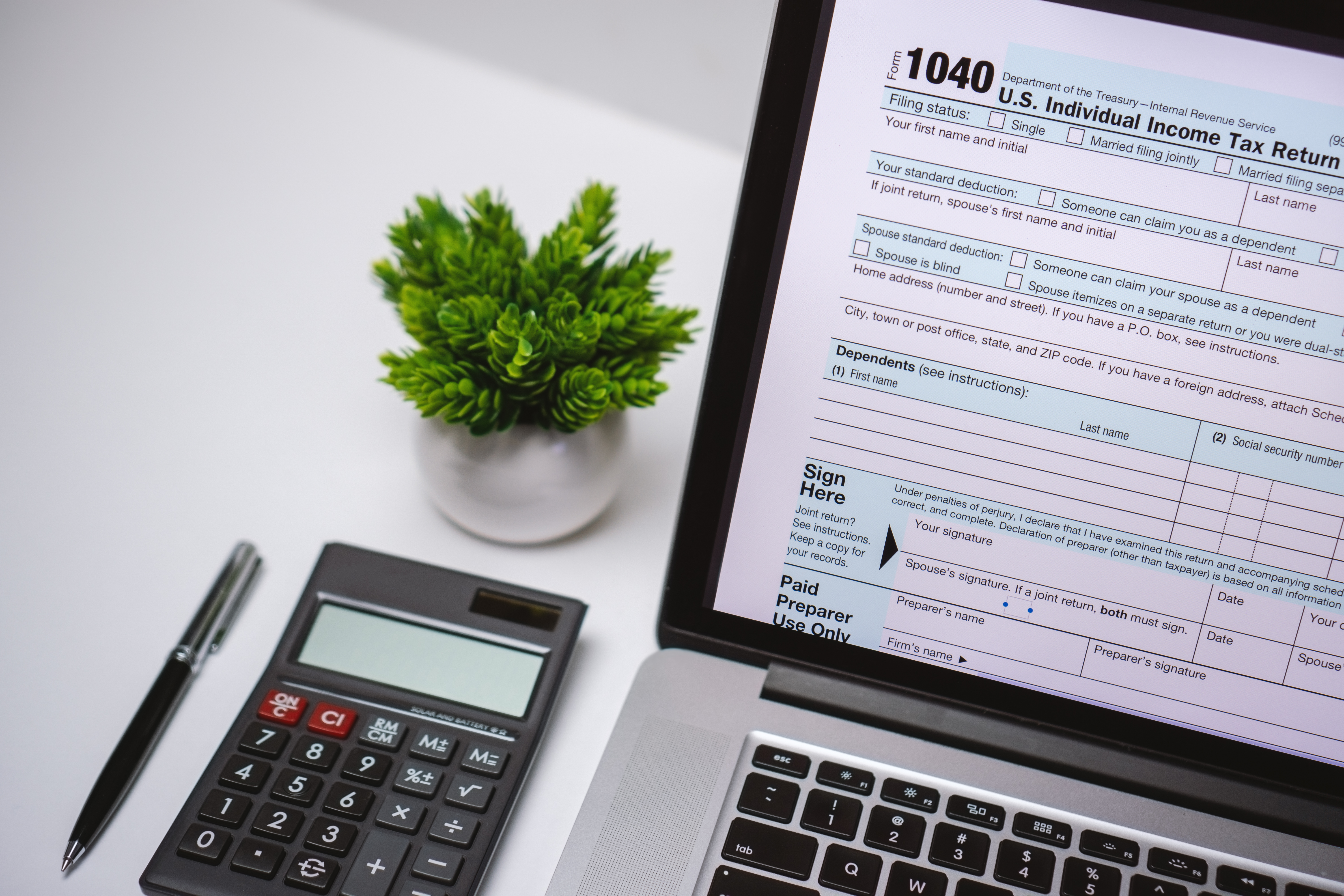
You can claim the Recovery Rebate credit on Line 30 of your 2020 Form 1040 or Form 1040-SR. There will be a worksheet you can use to calculate the amount of your credit, if any, in the instructions for those forms.
To get any tax refund as quickly as possible, file your tax return electronically and sign up to have your refund directly deposited into your bank account. Once the IRS has your bank information, it can send you any future stimulus payments by direct deposit, too.

-
 The Cost of Leaving Your Money in a Low-Rate Account
Why parking your cash in low-yield accounts could be costing you, and smarter alternatives that preserve liquidity while boosting returns.
-
 I want to sell our beach house to retire now, but my wife wants to keep it.
I want to sell the $610K vacation home and retire now, but my wife envisions a beach retirement in 8 years. We asked financial advisers to weigh in.
-
 How to Add a Pet Trust to Your Estate Plan
Adding a pet trust to your estate plan can ensure your pets are properly looked after when you're no longer able to care for them. This is how to go about it.


-
 Should You Do Your Own Taxes This Year or Hire a Pro?
Taxes Doing your own taxes isn’t easy, and hiring a tax pro isn’t cheap. Here’s a guide to help you figure out whether to tackle the job on your own or hire a professional.
-
 Can I Deduct My Pet On My Taxes?
Tax Deductions Your cat isn't a dependent, but your guard dog might be a business expense. Here are the IRS rules for pet-related tax deductions in 2026.
-
 Don't Overpay the IRS: 6 Tax Mistakes That Could Be Raising Your Bill
Tax Tips Is your income tax bill bigger than expected? Here's how you should prepare for next year.
-
 Oregon Tax Kicker in 2026: What's Your Refund?
State Tax The Oregon kicker for 2025 state income taxes is coming. Here's how to calculate your credit and the eligibility rules.
-
 3 Retirement Changes to Watch in 2026: Tax Edition
Retirement Taxes Between the Social Security "senior bonus" phaseout and changes to Roth tax rules, your 2026 retirement plan may need an update. Here's what to know.
-
 IRS Tax Season 2026 Is Here: Big Changes to Know Before You File
Tax Season Due to several major tax rule changes, your 2025 return might feel unfamiliar even if your income looks the same.
-
 12 Tax Strategies Every Self-Employed Worker Needs in 2026
Your Business Navigating the seas of self-employment can be rough. We've got answers to common questions so you can have smoother sailing.
-
 A Free Tax Filing Option Has Disappeared for 2026: Here's What That Means for You
Tax Filing Tax season officially opens on January 26. But you'll have one less way to submit your tax return for free. Here's what you need to know.


