Is Selling the Family Heirloom Socially Acceptable?
When you inherit an item, here's how to decide whether to sell it and how to protect yourself financially if you keep it.

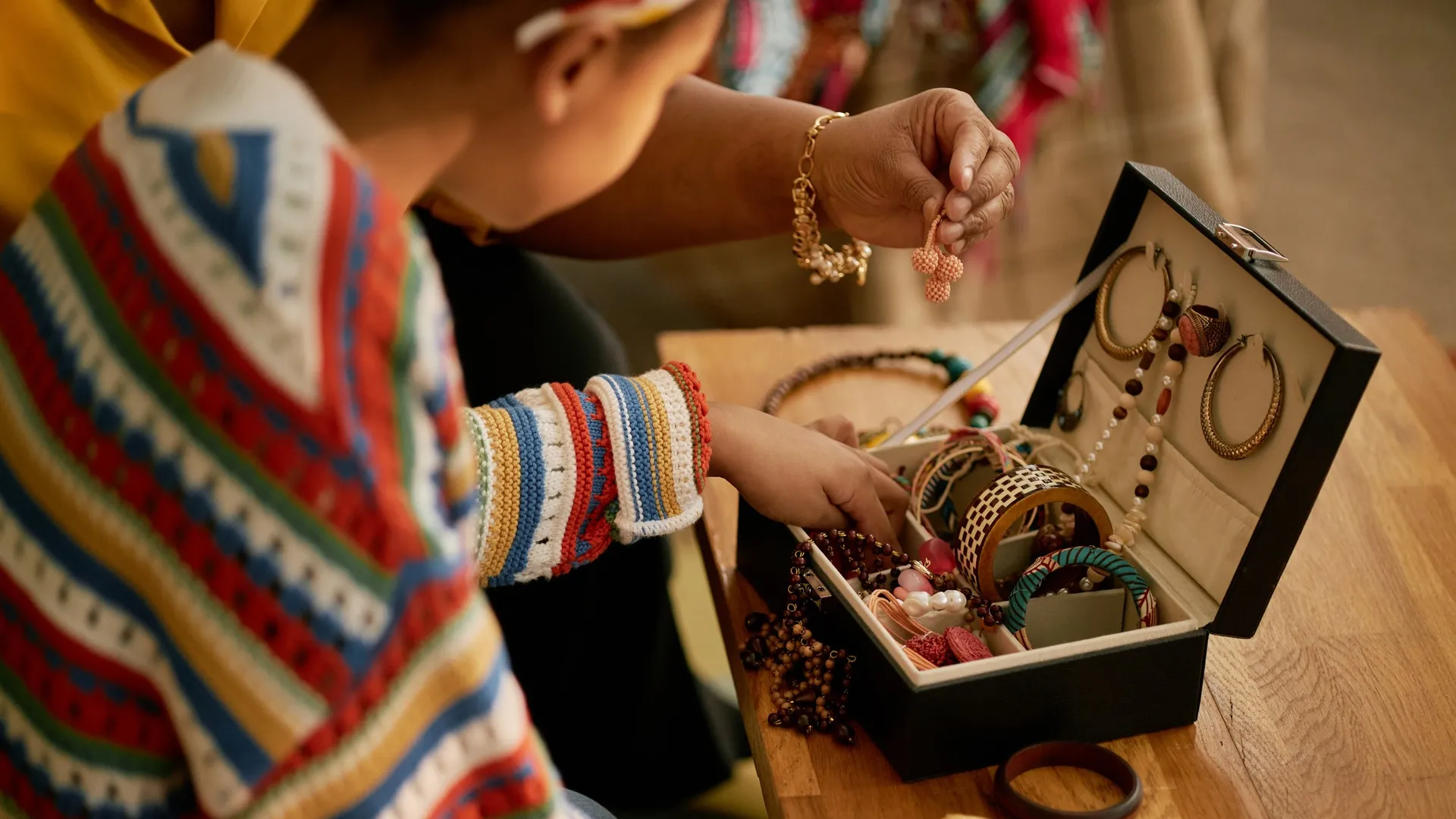
Losing someone you care about brings profound sorrow. And when they leave you something valuable, the gift can make you feel conflicted.
On one hand, you're thankful because it serves as a reminder of the fond memories you have of that loved one. But on the other hand, what if you don't need what they left and you could really benefit from selling it?
This is a situation many people find themselves in and are unsure how to handle it. Here's when it's socially acceptable to sell a family heirloom.
From just $107.88 $24.99 for Kiplinger Personal Finance
Become a smarter, better informed investor. Subscribe from just $107.88 $24.99, plus get up to 4 Special Issues

Sign up for Kiplinger’s Free Newsletters
Profit and prosper with the best of expert advice on investing, taxes, retirement, personal finance and more - straight to your e-mail.
Profit and prosper with the best of expert advice - straight to your e-mail.
When should I sell an heirloom?

Richard Tilles, President of CIRCA, told Kiplinger that he sees people struggling with this all the time, and his advice is to keep it if it holds value or use it for yourself. It's going to be worth more to you than to potential buyers.
However, he advises that if you don't have specific plans for the heirloom and it will sit around or get lost, sell it.
When looking for a place to sell the heirloom, Tilles recommends taking it for an estimate from three different buyers. Look for ones with an established reputation over time. Doing this can help you fetch a better price.
Which items are fetching higher and lower values right now?

Gold is at a historical price, Tilles says. Clients are shocked at how much gold jewelry is worth. People selling nice pieces from the 1970s and 1980s are getting almost twice as much today as they would have just a few years ago.
Meanwhile, some items have dropped in value too. Diamond pins from the 1950s have cooled down. They still have value, but less than they did 15 years ago, according to Tilles.
Meanwhile, if you want to keep your item, here's what to do.
How should I protect my heirloom if I want to keep it?
Start by storing it somewhere safe so it doesn't lose its quality. Safe deposit boxes can be an inexpensive, smart way to keep the item protected and preserved while still giving you access anytime you want.
You could also store it in a safe with your other valuables and important financial information.
And there's one other thing you'll want to do to ensure it's financially protected.
Do I need to insure the heirloom if I plan to keep it?

It depends on the item's value. Standard homeowner insurance covers items due to theft or loss between $1,000 and $2,500. Yet you could have artwork, jewelry or another item that's worth far more than that.
If this applies to you, do the following:
- Review your policies: Check your homeowners or renters insurance to see if it covers higher-value items or if they exceed policy limits.
- Add a rider: You can buy a separate endorsement for the heirloom to ensure full coverage against loss, theft or damage.
- Receive a professional appraisal: Most insurance companies require a recent, certified appraisal to establish its replacement value.
This ensures that even if the unthinkable happens and the item is stolen or damaged, you can at least receive its fair market value.
It's also a smart time to evaluate your homeowners insurance if you plan to add an endorsement.
Use this Bankrate tool to compare options:
Taking these practical steps can give you peace of mind knowing your item is properly protected.
Ultimately, receiving an heirloom is a special gift. How you choose to use it depends on your personal and financial circumstances. By taking these factors into account, you can make what could be a difficult decision a little easier.
Related content