Is Your House Haunted or Just Falling Apart? 7 Scary Signs You Shouldn't Ignore
From flickering lights to mysterious noises, these spooky household surprises could be warning signs of expensive home repairs.


When I was a kid, my parents worked hard to buy our family's first home. It was an older house, and after years of apartment living, we weren't quite prepared for all the strange noises that came with it.
Those first few nights were terrifying. Something was scratching deep inside my bedroom closet, and I was convinced something sinister was trying to get out. After conducting my own intense investigation, which involved throwing a shoe into the dark abyss and hoping for the best, I called in reinforcements. My parents eventually investigated the mysterious ghoul lurking in my closet, only to discover the culprits were squirrels living inside the walls.
Fortunately, our haunting had a perfectly reasonable explanation and resolution. But not every strange noise or unexplained occurrence in a home is harmless.
From just $107.88 $24.99 for Kiplinger Personal Finance
Become a smarter, better informed investor. Subscribe from just $107.88 $24.99, plus get up to 4 Special Issues

Sign up for Kiplinger’s Free Newsletters
Profit and prosper with the best of expert advice on investing, taxes, retirement, personal finance and more - straight to your e-mail.
Profit and prosper with the best of expert advice - straight to your e-mail.
From flickering lights to mysterious smells and creaking floors, your house could be trying to tell you something. And while the explanation probably isn't supernatural, ignoring these warning signs could lead to some frighteningly expensive home repairs.
Here are seven spooky signs to watch for and what they could mean for your home and your wallet.
1. Doors that open or close on their own
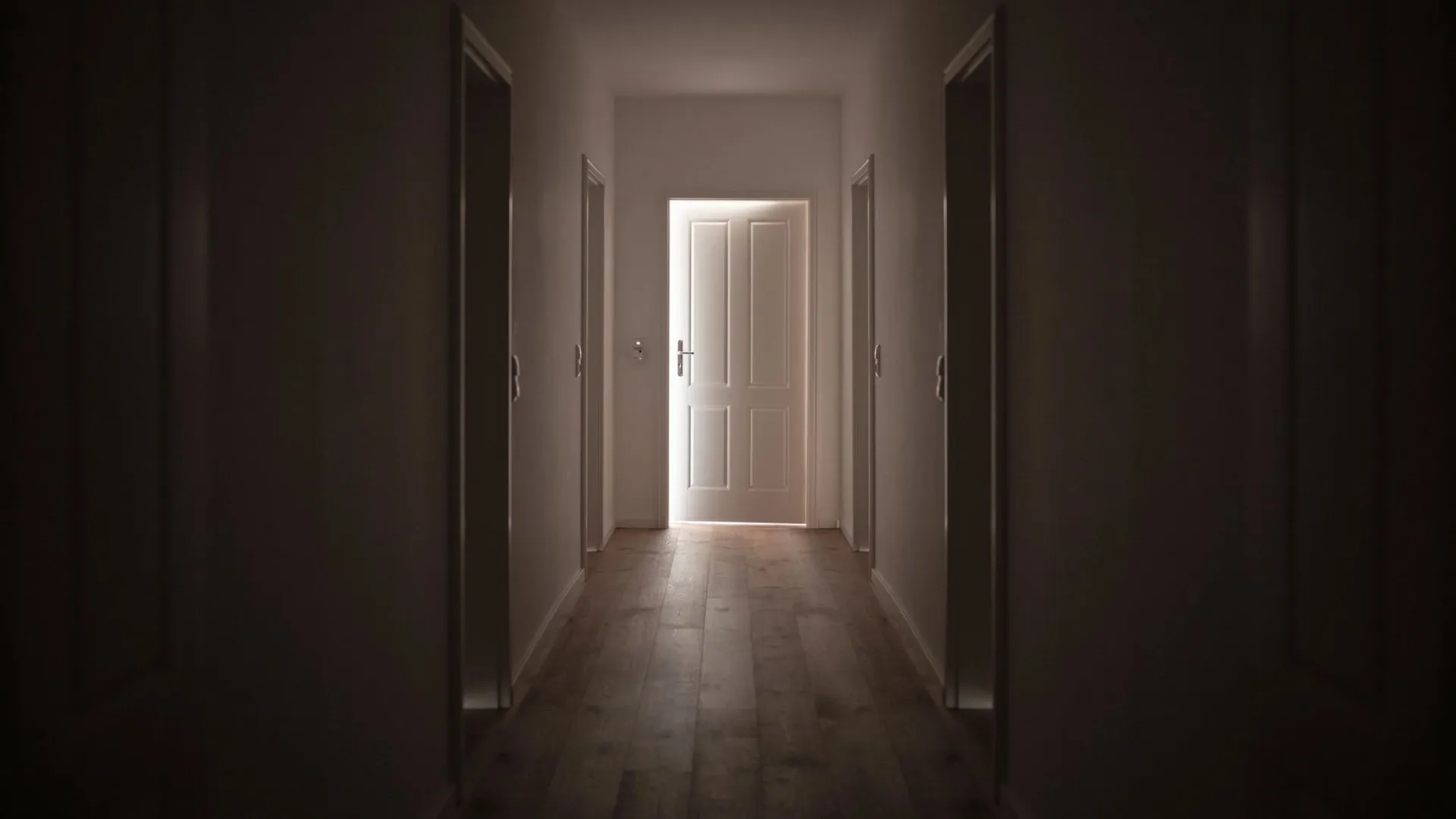
There's something unsettling about watching a door slowly creak open when nobody is on the other side. Before you blame a ghost, though, there are a few perfectly reasonable explanations.
Loose hinges, uneven floors and changes in air pressure can cause doors to swing open or shut on their own. Temperature and humidity changes can also cause wood to expand and contract, affecting how doors fit in their frames.
Some settling is a normal part of homeownership, especially as a house ages. Small cracks in drywall or around door frames aren't necessarily signs of serious structural problems. Even newer homes can experience minor settling.
However, if several doors suddenly start sticking, won't latch properly or look crooked, it could be a sign of foundation movement or another structural issue. Cracks that continue to widen or uneven floors are additional warning signs worth investigating.
The financial fright: A loose hinge might take just a few minutes and a screwdriver to fix. Significant foundation repairs, on the other hand, can cost thousands of dollars.
If you suspect a structural problem, a professional foundation inspection typically costs between $300 and $1,000, according to HomeGuide. An independent structural engineer may cost more but can help determine whether repairs are actually necessary before you commit to an expensive project.
2. Lights that flicker without explanation
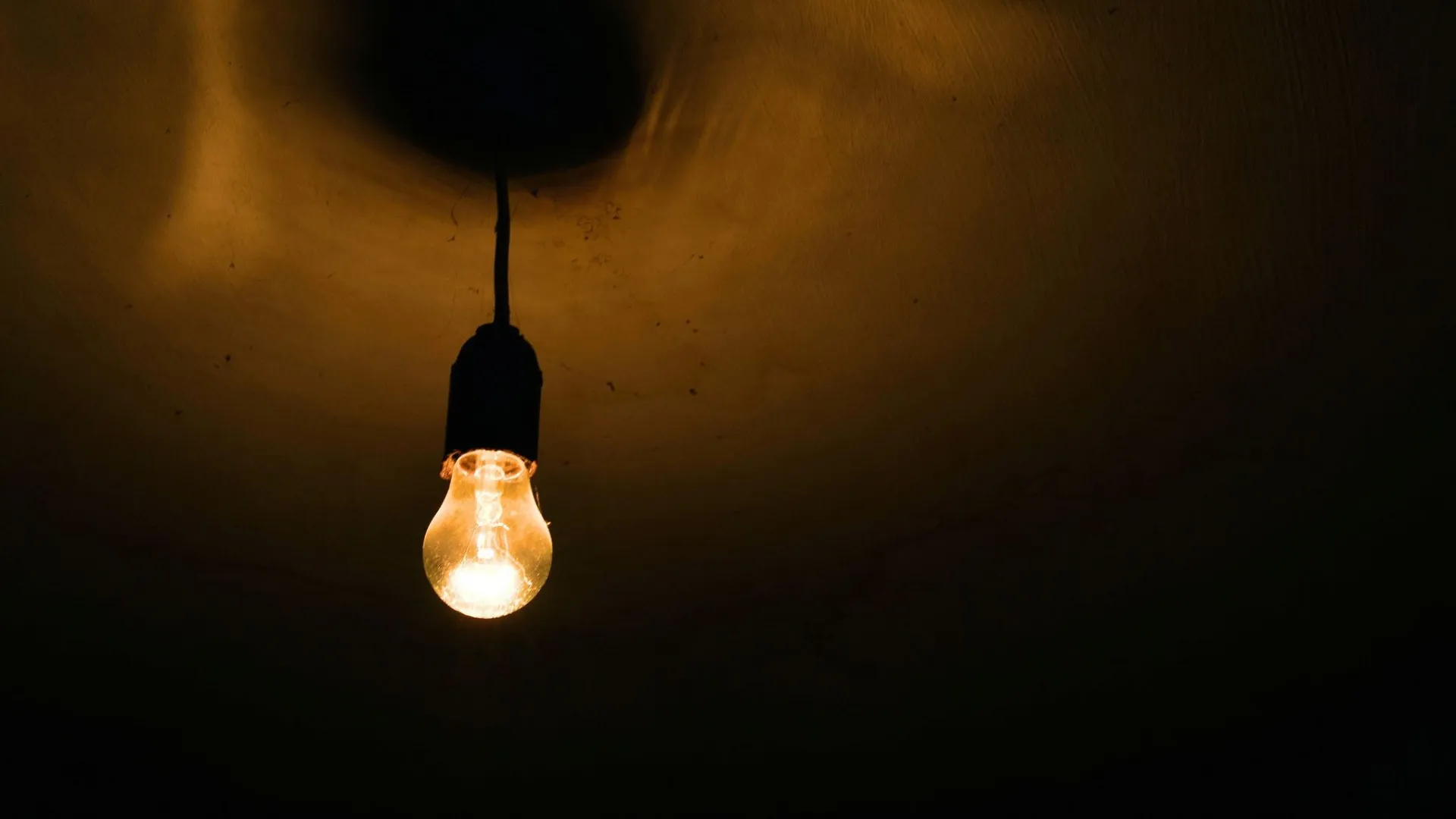
Flickering lights are a classic sign of a haunted house in horror movies, but in real life, they could be warning you about an electrical problem.
Sometimes the explanation is simple. A loose light bulb, an aging fixture or a large appliance drawing power can cause lights to flicker or briefly dim. However, persistent flickering could indicate overloaded circuits, loose electrical connections or deteriorating wiring.
Pay attention if the flickering is accompanied by buzzing outlets, unusually warm switches, burning smells or circuit breakers that frequently trip. These could be signs of a potentially dangerous electrical problem that warrants a call to a licensed electrician.
Homeowners can also use technology to help monitor potential electrical hazards. A Ting sensor plugs into an outlet and monitors electrical signals for patterns associated with potential fire hazards. An infrared thermometer, sometimes called a laser temperature gun, can help identify unusually warm outlet covers or electrical panels without touching them. However, these tools can't detect every electrical hazard or replace a professional inspection.
The financial fright: According to Angi, a professional electrical inspection typically costs between $75 and $500, with homeowners paying around $150 on average.
I learned firsthand why it's worth investigating flickering lights. What I initially thought was a loose light bulb turned out to be frayed wiring hidden behind the drywall of one of my rental properties. It cost $800 to locate and repair the problem, but that's a drop in the bucket compared with the potential damage and expense of an electrical fire.
3. Cold spots in otherwise warm rooms

Ever walked into a room and felt an unexplained chill, even though the rest of the house is perfectly comfortable? Before you assume a ghost is hanging around, consider whether your home is losing heat.
Cold spots are often caused by drafts, insufficient insulation or poorly sealed windows and doors. Missing insulation inside walls can also create noticeable temperature differences, particularly in older homes. Sometimes the problem isn't insulation at all. Blocked vents, leaking ductwork or uneven airflow from your heating system can leave certain rooms feeling colder than others.
Start by checking for drafts around windows and doors, making sure heating vents aren't blocked by furniture and looking for gaps in accessible ductwork. You may also want to consider a home energy audit to identify areas where your home is losing heat. Depending on the type of audit, a professional may use thermal imaging, blower door testing or other diagnostic tools to pinpoint air leaks and insulation problems.
The financial fright: Those mysterious cold spots could be driving up your utility bills. According to Angi, a professional home energy audit typically costs between $212 and $698, depending on your home's size, location and the type of testing involved.
Additional diagnostic tests or follow-up visits may cost extra. Before paying out of pocket, check with your utility company to see if it offers free or discounted energy assessments. An audit could help you prioritize improvements that reduce energy waste rather than spending money on repairs you might not need.
4. Mysterious knocking behind the walls
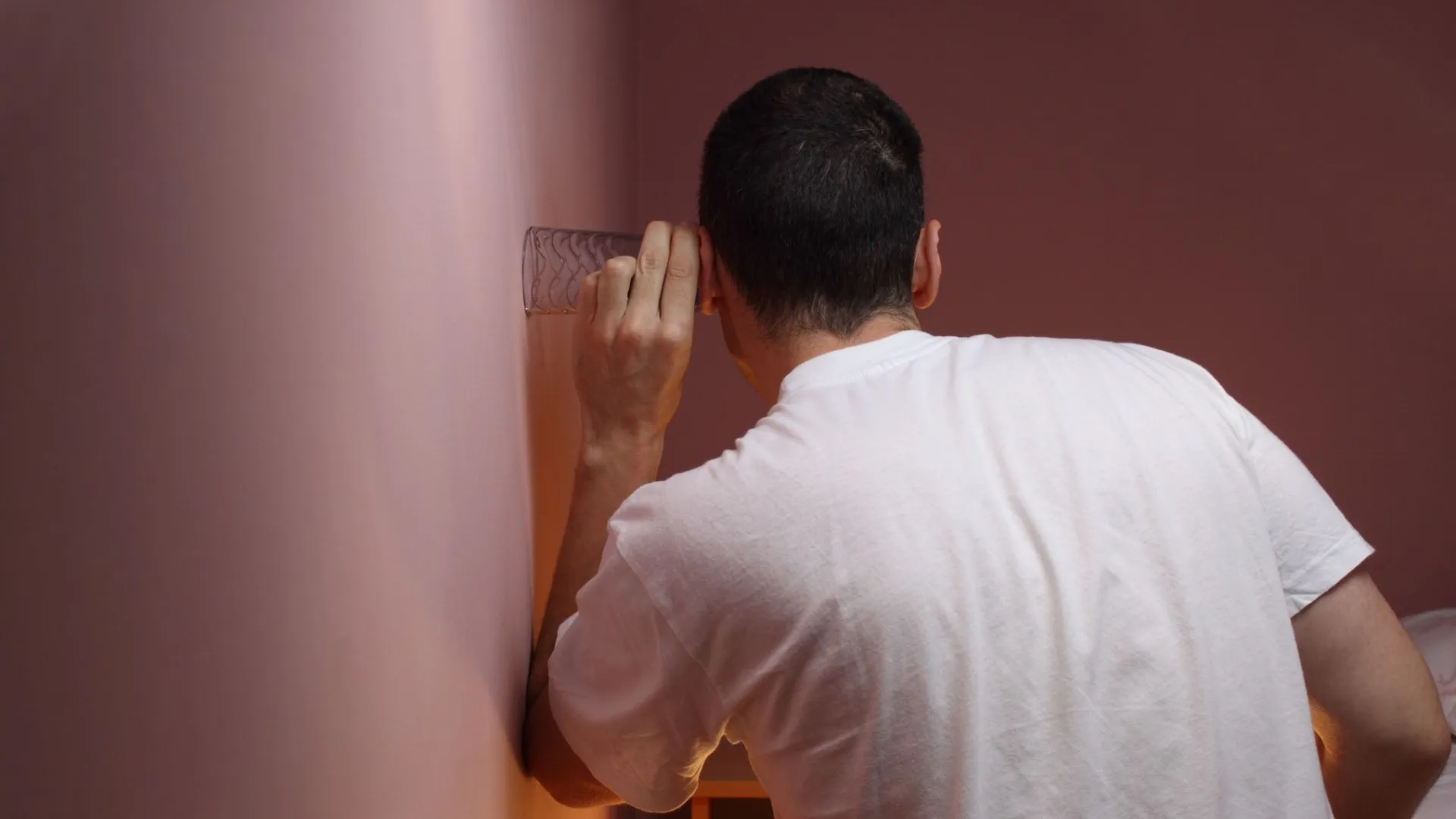
Hearing unexplained knocking, tapping or scratching behind your walls can make you wonder what's lurking on the other side. As I learned from the squirrels living in my childhood bedroom closet, sometimes there really is something hiding in there.
But not every mysterious noise means you have unwanted houseghosts. Banging or knocking sounds could be caused by water hammer, which occurs when flowing water suddenly stops or changes direction, creating a pressure surge in your plumbing. Pipes and ductwork can also make popping or tapping noises as they expand and contract with temperature changes.
- Pay attention to when the noises occur. Banging shortly after turning off a faucet or running the washing machine could point to a plumbing issue.
- Popping sounds when the furnace kicks on may be related to expanding ductwork.
- Irregular scratching, scurrying or gnawing sounds, especially at night, could indicate mice, squirrels or other pests have found their way inside.
If the noises persist, consider calling a plumber, HVAC technician or pest control professional, depending on the suspected source. Ghostbusters should probably be last on your list.
The financial fright: Ignoring these sounds could lead to more than a few sleepless nights. Repeated water hammer can stress plumbing connections and contribute to leaks and water damage.
Rodents can chew through insulation and electrical wiring, creating expensive repairs and potential fire hazards. Identifying the source early could save you from a much bigger problem hiding behind your walls.
5. Musty smells that come and go
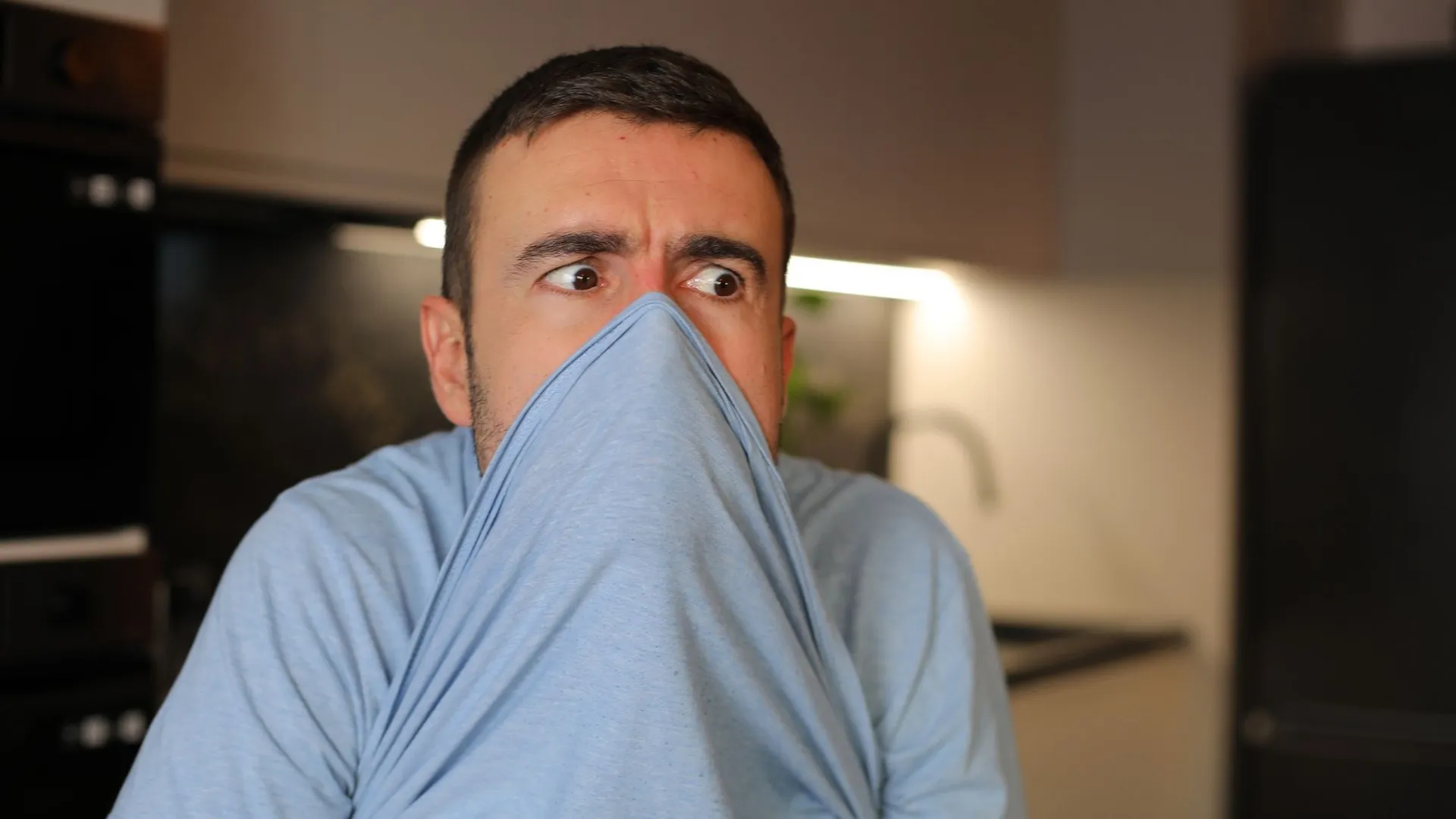
Sometimes your nose knows something is wrong before you see any signs of trouble. After years of walking through homes as a real estate agent, I've found that my sense of smell is often the first thing to alert me to a problem, whether it's a gas leak, hidden water damage or stagnant water.
A mysterious musty or earthy smell that comes and goes could indicate excess moisture, a hidden leak or poor ventilation. Basements, crawl spaces, bathrooms and areas around windows are common trouble spots. You might notice the odor more after heavy rain or during periods of high humidity.
Just because you can't see water damage doesn't mean it isn't there. Moisture can collect behind drywall, underneath carpeting or inside wall cavities long before visible stains appear. Look for discoloration, peeling paint, condensation, damp flooring or soft spots around windows and baseboards.
If the smell keeps returning, try to identify when and where it's strongest. A moisture meter or professional inspection may help uncover a hidden problem before it spreads.
The financial fright: A small leak left unchecked can lead to damaged drywall, rotting subfloors, ruined insulation and mold growth. What might have been a relatively inexpensive plumbing repair could turn into a much larger restoration project. Finding the source of the moisture early is often the best way to keep repair costs under control.
One important distinction: A rotten-egg or sulfur-like odor could indicate a natural gas leak, not a moisture problem. If you suspect a gas leak, leave the home immediately without operating electrical switches or appliances and contact your gas utility or emergency services from a safe location.
6. Windows that rattle or whistle
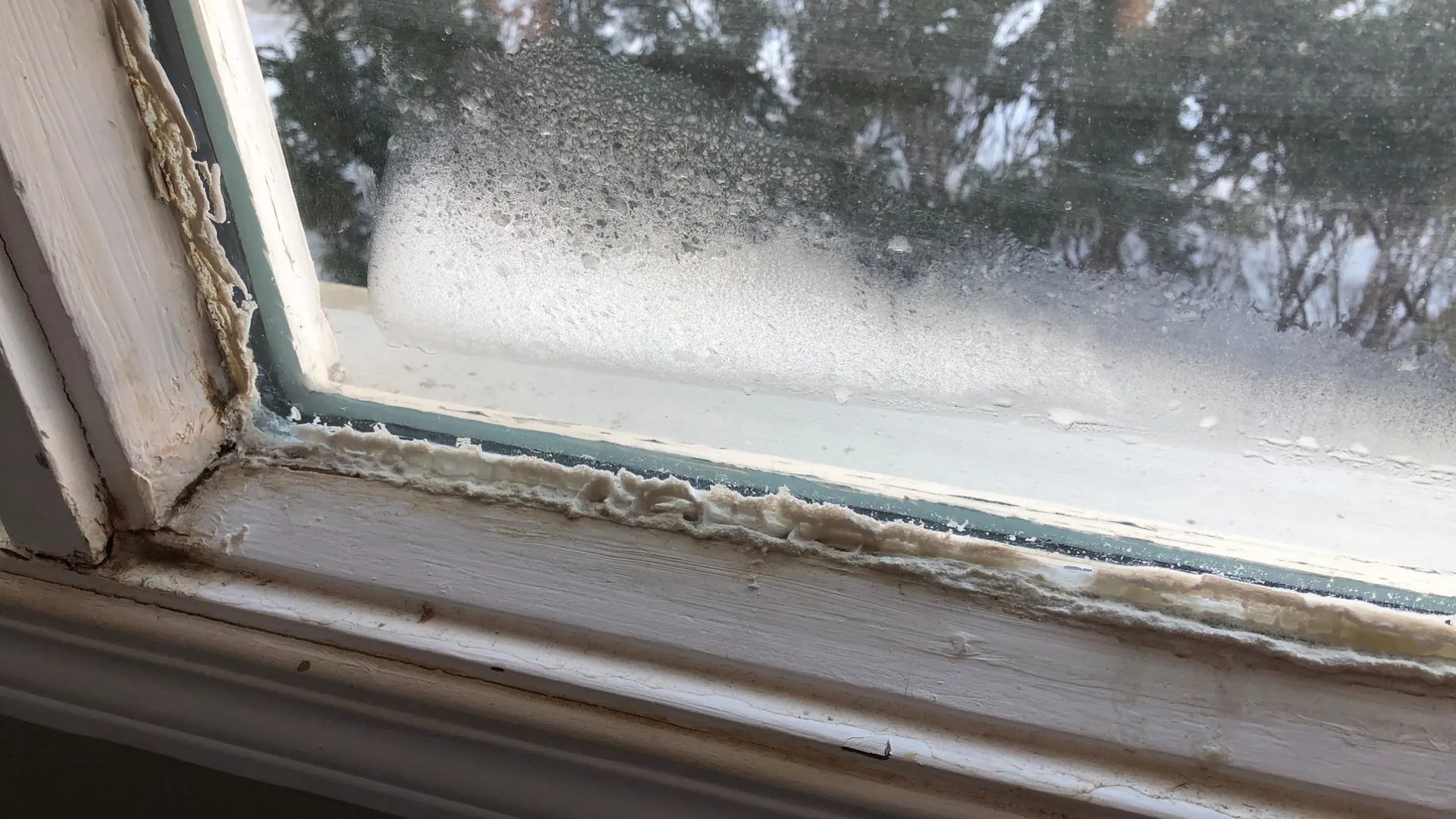
A howling wind outside might set the mood for a spooky night, but hearing it whistle through your windows when they're tightly shut is another story. Those eerie sounds could mean your home is letting in more than just a little fresh air.
Over time, weatherstripping can deteriorate, caulking can crack and window components can loosen. These small gaps allow outside air to sneak inside, creating whistling sounds and uncomfortable drafts. Windows may also rattle during strong winds if the glass or frame isn't properly secured. In some cases, the problem could be related to improper installation or damaged window components.
Before assuming you need new windows, check for worn weatherstripping, cracked caulking and visible gaps around the frames. Replacing weatherstripping or sealing small gaps can be an inexpensive DIY project. However, windows that shift in their frames, won't close securely or show signs of water damage may need professional attention.
The financial fright: Drafty windows can increase your heating and cooling bills, but replacing them isn't always necessary. According to a 2026 survey by This Old House, homeowners pay an average of $517 per installed replacement window, with total replacement projects averaging $7,183.
Before making that investment, consider less expensive fixes. A relatively small repair could stop the howling without the expense of replacing an otherwise functional window.
7. Floors that suddenly creak or feel uneven
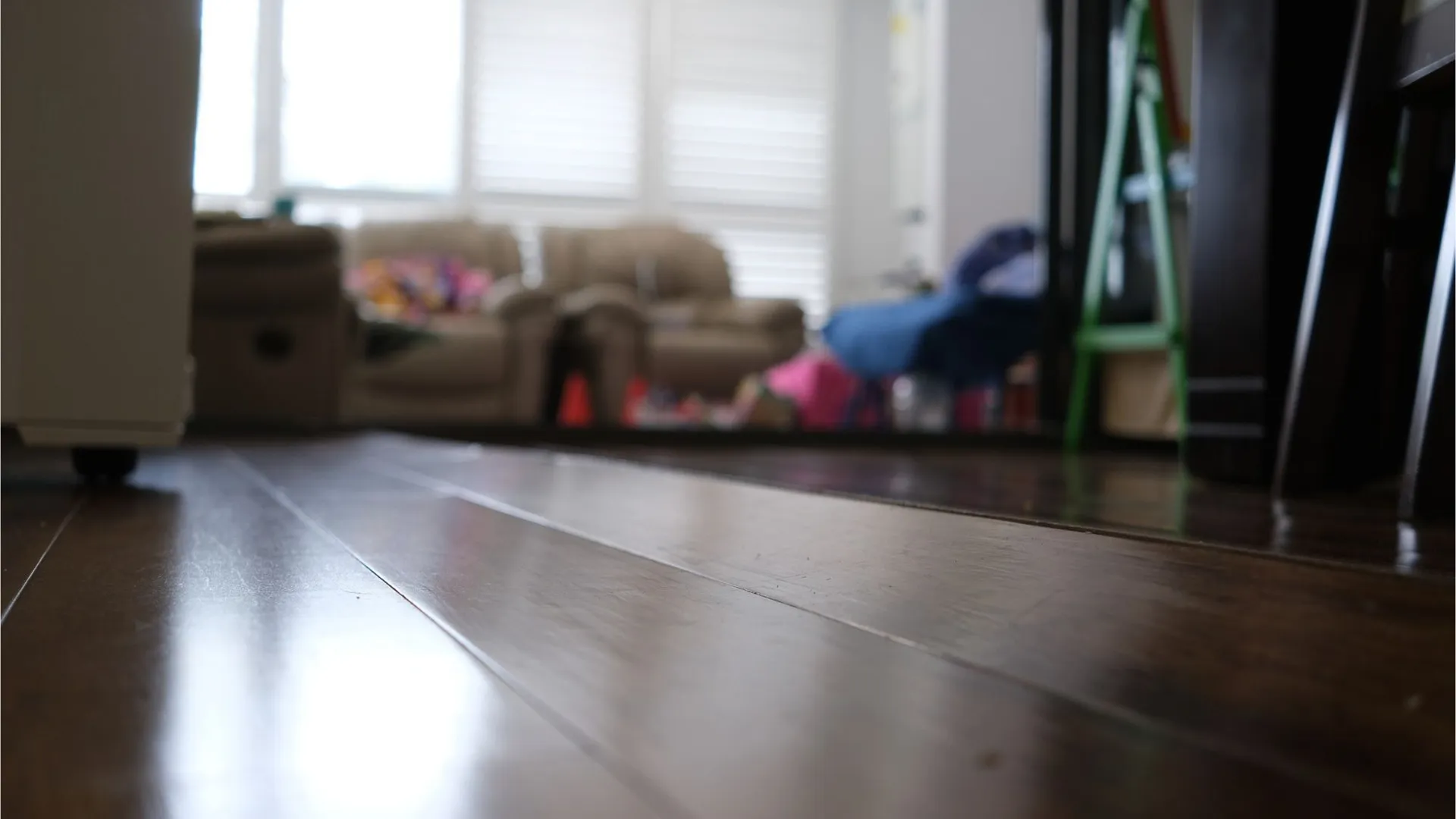
Every haunted house seems to have a staircase that creaks when nobody's walking on it. Fortunately, a squeaky floor in your home doesn't necessarily mean something sinister is lurking beneath it.
Creaking floors are common, especially in older homes. Wood naturally expands and contracts with changes in temperature and humidity, and loose nails or subfloor fasteners can cause floorboards to squeak when you walk across them. In many cases, these noises are simply part of a home's character.
However, new or worsening creaks, sagging floors or areas that suddenly feel soft underfoot could signal a more serious problem. Moisture damage, deteriorating subfloors, weakened floor joists or foundation movement can all affect the stability of your flooring. Other warning signs include cracks appearing along walls or doors that no longer close properly.
If you notice these changes, consider having a flooring contractor evaluate the problem. For significant sagging, sudden changes in floor level or other signs of structural movement, an independent structural engineer can help determine what's happening beneath your feet.
The financial fright: Fixing a squeaky floor might be as simple as securing loose floorboards, but repairing damaged joists or structural components can cost thousands of dollars.
According to Angi, hiring a structural engineer typically costs several hundred to a few thousand dollars, depending on the scope of the inspection and whether a detailed engineering report is needed. Getting an independent assessment could help you avoid unnecessary repairs while identifying serious problems before they become more expensive.
When your house is trying to tell you something
Not every strange noise, mysterious smell or flickering light means your home needs expensive repairs. Houses naturally settle, materials expand and contract with temperature changes and mechanical systems make noise. The trick is knowing what's normal and when something deserves a closer look.
Pay attention to patterns. Does the knocking start when the furnace kicks on? Does a musty smell appear after heavy rain? Does the banging happen when you turn off a faucet? These details can help you narrow down the source of a problem.
Document anything unusual with photos, videos or notes about when it happens. If the problem persists or gets worse, consider calling a qualified professional. Electrical hazards, unexplained moisture and sudden structural changes shouldn't be ignored.
It's also a good idea to maintain an emergency home repair fund. Even well-maintained homes can surprise you with unexpected expenses, and having money set aside can make it easier to address problems before they become more costly.
The next time your house goes bump in the night, don't call a ghost hunter. Pay attention to what your home might be telling you. After all, the scariest thing lurking behind your walls could be a repair bill you didn't see coming.
Unexpected home repairs can put a strain on your budget, especially when the damage is extensive. If you have built up equity in your home, a home equity loan or home equity line of credit (HELOC) could help cover major repair expenses.
Compare current home equity rates and explore your borrowing options with the tool below:
Related Content