What's Next for the Fed — as an Institution?
The U.S. central bank was already contending with economic challenges. Now comes a political one.

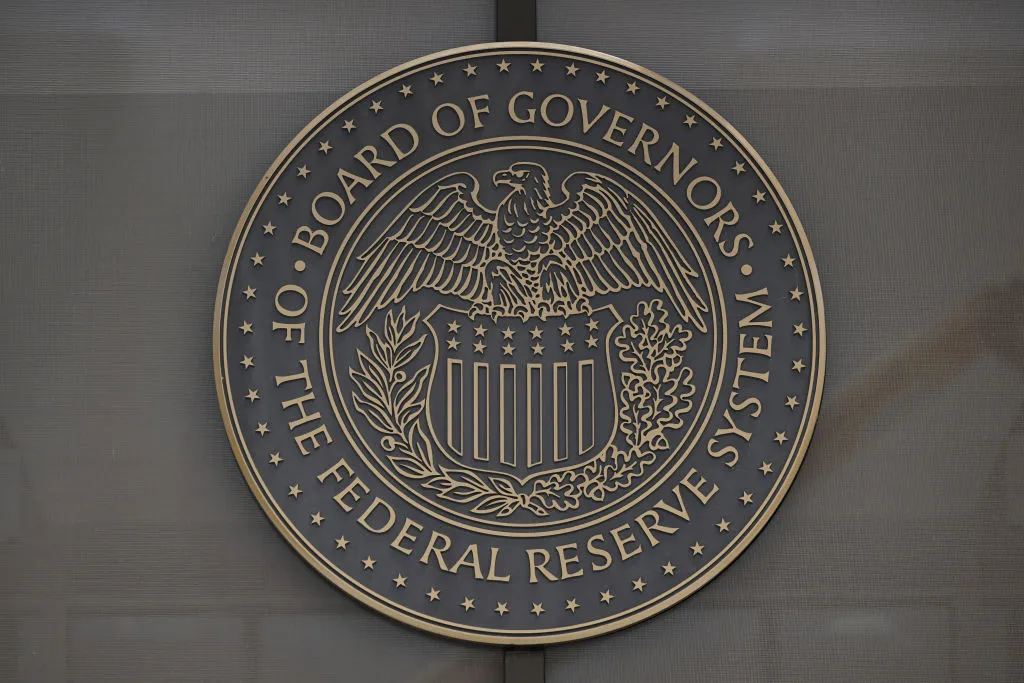
All eyes have been on the Federal Reserve Board lately. The path of interest rates is top of mind as the Fed continues to navigate its dual mandate of keeping inflation in check and maintaining full employment, amid worries about strengthening in the former and weakening in the latter. Expect interest rate cuts this year and next, with decisions on how many and how far still taking shape.
The larger question is about the path of the institution itself, as worries surface about the politicization of a central bank prized for its independence. President Donald Trump has excoriated the Fed, particularly Fed Chair Jerome Powell, for being “too slow” to cut interest rates — a move Trump believes will help ease the burden of federal deficits, as well as goose the economy overall and the housing market in particular. Though Trump has threatened, he has not tried to remove Powell.
But Trump has moved to fire Fed governor Lisa Cook, after a chief housing regulator accused her of mortgage fraud. The Justice Department has reportedly opened a criminal investigation into the matter. Cook has fought back with a federal lawsuit that seeks to confirm her status as a Fed governor and “safeguard her and the Board’s congressionally mandated independence,” according to the suit. Legal arguments hinge on whether Trump can fire Cook “for cause.” A U.S. District Court ruling keeps Cook on the board for now, but the case could wind up at the Supreme Court.
From just $107.88 $24.99 for Kiplinger Personal Finance
Become a smarter, better informed investor. Subscribe from just $107.88 $24.99, plus get up to 4 Special Issues

Sign up for Kiplinger’s Free Newsletters
Profit and prosper with the best of expert advice on investing, taxes, retirement, personal finance and more - straight to your e-mail.
Profit and prosper with the best of expert advice - straight to your e-mail.
Meanwhile, Trump picked the chair of his Council of Economic Advisers, Stephen Miran, to serve out the term of a Biden-appointed governor who recently announced an early retirement.
“If the president succeeds in removing Governor Cook, we expect that he may secure a four-to-three majority of governors whose policy ideas align with his, and this has potential implications,” says Paul Christopher, head of global investment strategy at research firm Wells Fargo Investment Institute. “Specifically, a majority of governors might guide policy toward greater deregulation and much lower interest rates (and possibly higher future inflation) than the current Fed leadership has proposed.”
The Fed governors also approve the Reserve Bank presidents who take turns sitting on the committee that determines monetary policy, amplifying the power of the majority.
In the central bank’s 112-year history, no president has ever removed a Fed governor. “One reason America has been viewed as having an exceptional economy and capital markets is because of the independence of the Fed,” says market strategist Ed Yardeni, who authored a book about the Federal Reserve.
For now, weakening jobs data have all but guaranteed lower rates. The most recent Labor Department report showed more evidence of a moribund summer and “should cement a shift in the Fed’s thinking from worrying about inflation to worrying about labor weakness,” says BofA Global Research economist Aditya Bhave. BofA forecasts a series of Fed rate cuts totaling 1.25 percentage points by the end of 2026.
It’s worth noting that the Fed controls short-term rates but not long-term rates. Long-term bond yields have recently fallen precipitously, but that’s not always the case, even when the Fed is cutting. Last year, the Fed cut short-term rates by one percentage point, while 10-year Treasury yields rose a percentage point over roughly the same period.
“We could have a situation like 2024, with the Fed lowering rates and bond yields going up,” says Yardeni, who adds: “The administration seems to be making progress toward having a lot of political influence over monetary policy — but they don’t control the bond market.”
Note: This item first appeared in Kiplinger Personal Finance Magazine, a monthly, trustworthy source of advice and guidance. Subscribe to help you make more money and keep more of the money you make here.
Related content
