Retirees, Plan for the Tax Hit From Savings Bonds
The federal tax consequences for Series EE and I U.S. savings bonds are anything but straightforward. Here's how interest from savings bonds is taxed in four common situations for retirees.


You are now subscribed
Your newsletter sign-up was successful
Want to add more newsletters?

Delivered daily
Kiplinger Today
Profit and prosper with the best of Kiplinger's advice on investing, taxes, retirement, personal finance and much more delivered daily. Smart money moves start here.

Sent five days a week
Kiplinger A Step Ahead
Get practical help to make better financial decisions in your everyday life, from spending to savings on top deals.

Delivered daily
Kiplinger Closing Bell
Get today's biggest financial and investing headlines delivered to your inbox every day the U.S. stock market is open.

Sent twice a week
Kiplinger Adviser Intel
Financial pros across the country share best practices and fresh tactics to preserve and grow your wealth.

Delivered weekly
Kiplinger Tax Tips
Trim your federal and state tax bills with practical tax-planning and tax-cutting strategies.

Sent twice a week
Kiplinger Retirement Tips
Your twice-a-week guide to planning and enjoying a financially secure and richly rewarding retirement

Sent bimonthly.
Kiplinger Adviser Angle
Insights for advisers, wealth managers and other financial professionals.

Sent twice a week
Kiplinger Investing Weekly
Your twice-a-week roundup of promising stocks, funds, companies and industries you should consider, ones you should avoid, and why.

Sent weekly for six weeks
Kiplinger Invest for Retirement
Your step-by-step six-part series on how to invest for retirement, from devising a successful strategy to exactly which investments to choose.
The federal tax consequences for Series EE and I U.S. savings bonds are anything but straightforward. Although the interest on these bonds is fully exempt from state and local taxes, the federal tax treatment varies depending on who owns the bonds and, in some cases, how they are used.
Here are four common scenarios that retirees may encounter for how and when the bond interest is taxed.

When You're the Owner of the Savings Bond
Buyers of EE or I savings bonds have a choice when they acquire the bonds. They can pay tax each year on interest earned or defer the tax bill to the very end. Most people choose the latter. They report the interest as taxable income on their Form 1040 for the year the bonds mature or when they're cashed in, whichever happens first. Deferring tax on the full amount of accrued interest for up to 30 years may sound like a terrific idea until you get the tax bill for three decades worth of interest. Worse, taking the tax hit all at once could push you into a higher tax bracket, making the bill even more expensive than it needed to be.
Sponsored Content



What to Do If the Savings Bond Is a Gift
Many grandparents buy savings bonds for their grandkids. Provided the bonds are titled in the grandchild's name, the interest is generally reportable by the grandchild, who can choose to defer paying tax on the interest or report it annually, the same as any other bondholder. For bonds issued in the name of co-owners, such as a parent and child or grandparent and grandchild, the interest generally is taxable to the co-owner who paid for the bond. This is true even if the other owner redeems the bond and keeps the proceeds.
Giving away bonds you already own to a child, grandchild or other person doesn't get you off the hook with Uncle Sam for owing money on previously untaxed interest. If the bonds are reissued in the gift recipient's name, you are still taxed on all that interest for the year the gift is made. The same applies if you donate a savings bond to charity. If, on the other hand, you reported the interest as taxable each year, there's no big federal tax hit coming when you make the gift.
Sponsored Content

Who Pays the Taxes If You Inherit a Savings Bond?
What if you inherit EE or I savings bonds that haven't yet reached maturity? Who is taxed on the accrued interest that went untaxed because the original owner deferred the interest? It depends. The executor of the estate can choose to include on the decedent's final income tax return all pre-death interest earned on the bonds. If so, the beneficiary reports only post-death interest on Form 1040 when the bonds mature or are redeemed, whichever comes first. If the executor doesn't include the interest income on the original owner's final return, the beneficiary will owe taxes on all bond interest once the bond matures or is redeemed.
Sponsored Content

Using the Savings Bond to Pay for College Tuition
One way you might avoid owing taxes on the bond interest is to cash your EE or I bonds before maturity and use the proceeds to pay for college. If you meet this set of rules, the interest won't be taxable:
- You must have acquired the bonds after 1989 when you were at least age 24.
- The bonds must be in your name only.
- The bonds must be redeemed to pay for tuition and fees at an undergraduate, graduate or vocational school for you, your spouse or your dependent, such as a child claimed on your tax return. The bonds can also be redeemed to pay for a computer that you, a spouse or a dependent uses for school. Costs for room and board aren't eligible, and grandparents can't use this tax break to help someone, such as a grandchild, who isn't claimed as their dependent.
- The educational expenses must be paid using the bond proceeds the year that they are redeemed.
- High earners don't qualify. The interest exclusion begins to phase out for joint filers with modified adjusted gross incomes of more than $124,800 (more than $83,200 for other filers) and ends when modified AGI hits $154,800 ($98,200 for other filers).
Note that if the proceeds from all EE and I bonds cashed in during the year exceed the qualified education expenses paid that year, the amount of interest you can exclude is reduced proportionally.
Sponsored Content

-
 3 Reasons to Use a 5-Year CD As You Approach Retirement
A five-year CD can help you reach other milestones as you approach retirement.
-
 Your Adult Kids Are Doing Fine. Is It Time To Spend Some of Their Inheritance?
If your kids are successful, do they need an inheritance? Ask yourself these four questions before passing down another dollar.
-
 4 Estate Planning Documents Every High-Net-Worth Family Needs
The key to successful estate planning for HNW families isn't just drafting these four documents, but ensuring they're current and immediately accessible.


-
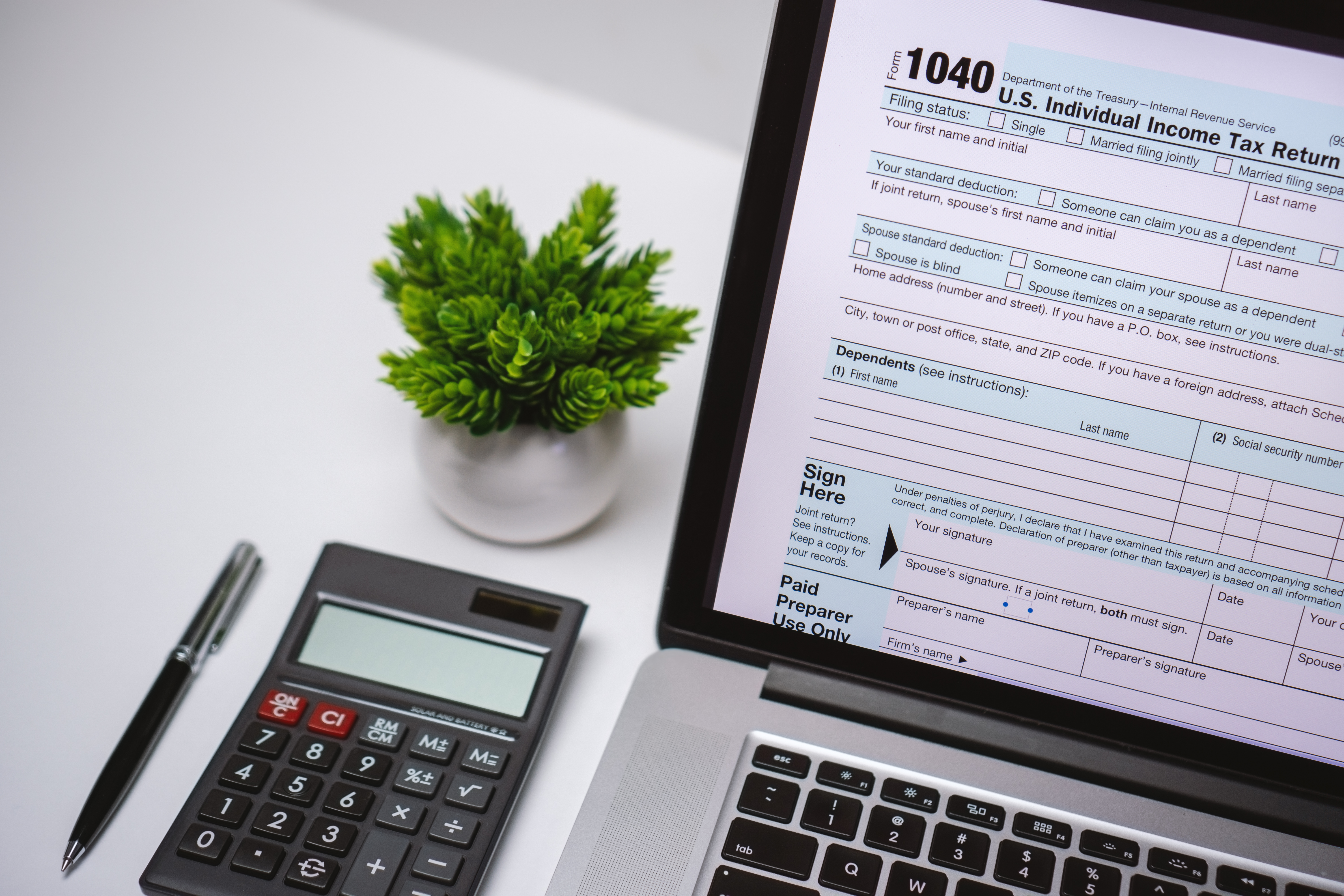 Should You Do Your Own Taxes This Year or Hire a Pro?
Taxes Doing your own taxes isn’t easy, and hiring a tax pro isn’t cheap. Here’s a guide to help you figure out whether to tackle the job on your own or hire a professional.
-
 Can I Deduct My Pet On My Taxes?
Tax Deductions Your cat isn't a dependent, but your guard dog might be a business expense. Here are the IRS rules for pet-related tax deductions in 2026.
-
 Don't Overpay the IRS: 6 Tax Mistakes That Could Be Raising Your Bill
Tax Tips Is your income tax bill bigger than expected? Here's how you should prepare for next year.
-
 Oregon Tax Kicker in 2026: What's Your Refund?
State Tax The Oregon kicker for 2025 state income taxes is coming. Here's how to calculate your credit and the eligibility rules.
-
 3 Retirement Changes to Watch in 2026: Tax Edition
Retirement Taxes Between the Social Security "senior bonus" phaseout and changes to Roth tax rules, your 2026 retirement plan may need an update. Here's what to know.
-
 IRS Tax Season 2026 Is Here: Big Changes to Know Before You File
Tax Season Due to several major tax rule changes, your 2025 return might feel unfamiliar even if your income looks the same.
-
 12 Tax Strategies Every Self-Employed Worker Needs in 2026
Your Business Navigating the seas of self-employment can be rough. We've got answers to common questions so you can have smoother sailing.
-
 A Free Tax Filing Option Has Disappeared for 2026: Here's What That Means for You
Tax Filing Tax season officially opens on January 26. But you'll have one less way to submit your tax return for free. Here's what you need to know.


