If You'd Put $1,000 Into Coca-Cola Stock 20 Years Ago, Here's What You'd Have Today
Even with its reliable dividend growth and generous stock buybacks, Coca-Cola has underperformed the broad market over the long term.

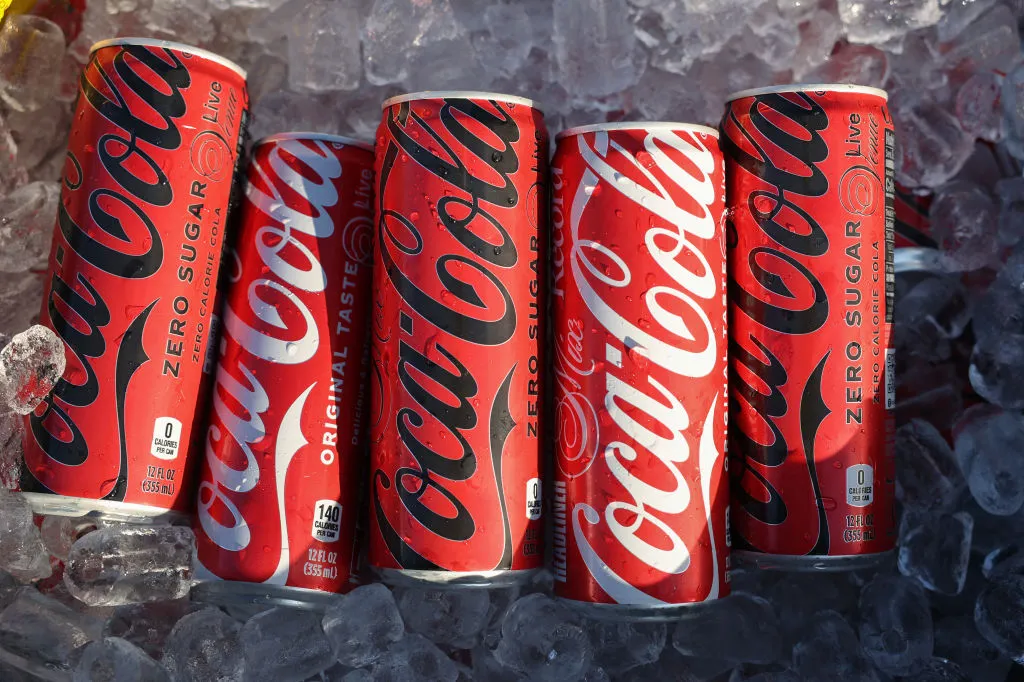
Few companies have Coca-Cola's (KO) track record when it comes to returning cash to shareholders, but as a defensive dividend machine, KO stock hasn't been able to keep up with the broader market in the past couple of decades.
The Buy-rated Dow Jones stock remains one of Wall Street's favorite names in the consumer staples sector, but truly long-term shareholders would have been better off putting their cash in an S&P 500 index fund.
That might come as something of a surprise, given Coca-Cola's global reach and impeccable blue-chip credentials. No less an investing eminence than Warren Buffett has maintained a massive position in the fizzy drinks maker for nearly four decades.
From just $107.88 $24.99 for Kiplinger Personal Finance
Become a smarter, better informed investor. Subscribe from just $107.88 $24.99, plus get up to 4 Special Issues

Sign up for Kiplinger’s Free Newsletters
Profit and prosper with the best of expert advice on investing, taxes, retirement, personal finance and more - straight to your e-mail.
Profit and prosper with the best of expert advice - straight to your e-mail.
The Oracle of Omaha drank Coca-Cola — and studied its business — for more than 50 years before adding it to the Berkshire Hathaway equity portfolio in the late 1980s.
To this day, KO is the holding company's fourth-largest position. With a stake of 400 million shares worth about $26 billion, KO accounts for almost 10% of Berkshire's U.S. stock portfolio.
Buffett's affinity for Coca-Cola is due in no small part to all the cash it returns to shareholders. As a member of the S&P 500 Dividend Aristocrats, KO is about as reliable a dividend grower as they come. The company has increased its payout annually for more than six decades.
KO has also been generous in returning cash to shareholders through stock buybacks. In the past five years, Coca-Cola has spent an average of $154 million per quarter to repurchase its own shares.
That's what a mature company in Coca-Cola's position needs to do to keep shareholders happy. With average annual revenue growth of only about 3% in the past two decades, KO isn't exactly a growth stock.
The bottom line on Coca-Cola stock?
It shouldn't come as a surprise that a defensive dividend payer such as KO trails the broader market over the past couple of decades. As a low-beta stock, KO tends to lag the S&P 500 when the market is rising, but also holds up better when everything is selling off.
A long bull market driven by outsize gains in tech and communication services stocks is going to leave defensive names behind.
That's partly why KO stock lags the S&P 500 on an annualized total return basis over every standardized time frame beyond one year. In the past three-, five-, 10- and 15-year periods, KO lags the broader market by anywhere from 5 to 12 percentage points.
As for the past two decades? It's not good. Have a look at the chart below to see what KO's chronic underperformance looks like on a brokerage statement.

If you put $1,000 into Coca-Cola stock 20 years ago, it would be worth about $6,200 today, good for an annualized total return of 9.6%. The same amount invested in the S&P 500 would theoretically be worth about $7,900 today.
Truly long-term shareholders have benefited from the ballast a consumer staples stock such as KO can provide in tougher markets, but as a less risky name, it also provided less reward.
The Street is bullish on KO at current levels. Of the 24 analysts covering the stock surveyed by S&P Global Market Intelligence, 13 rate it at Strong Buy, seven say Buy and four call it a Hold. That works out to a consensus recommendation of Buy, with high conviction.
Speaking for the bulls, Jefferies analyst Kaumil Gajrawala calls KO a "standout" among industry peers.
"The business is strong and getting stronger," says Gajrawala, who rates shares at Buy. "Volumes are healthy. Coke's mix and pricing dynamic is one of the best in our space, and free cash flow is set to accelerate."
More Stocks of the Past 20 Years
- If You'd Put $1,000 Into Berkshire Hathaway Stock 20 Years Ago, Here's What You'd Have Today
- If You'd Put $1,000 Into Home Depot Stock 20 Years Ago, Here's What You'd Have Today
- If You'd Put $1,000 Into Bank of America Stock 20 Years Ago, Here's What You'd Have Today