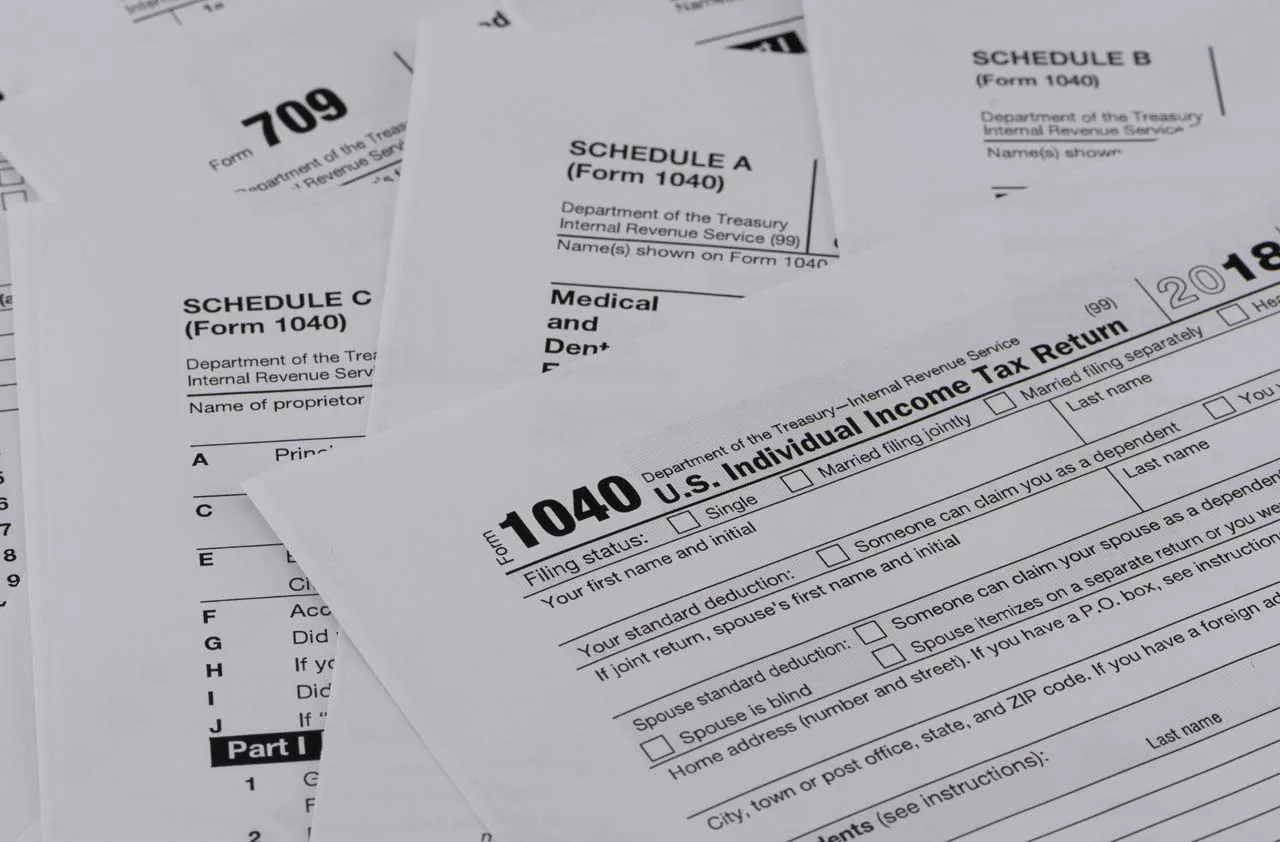
Taxpayers who needed more time to file their 2018 federal tax returns may have received an automatic six-month extension from the IRS. That extended deadline of October 15 will soon be here.
Keep in mind that the extended deadline gives you extra time to file your return—but not extra time to pay any tax owed. Tax payments are generally due by April 15. People who pay late are typically hit with a late-payment penalty of 0.5% per month plus interest. If you didn’t already pay the tax you expect to owe, paying it now will limit the penalty damage. Extension filers who miss the October 15 deadline will also incur a late-filing penalty, which is typically 5% per month but can run as high as 25% of the amount due.
The extended filing deadline offers a chance to make a few smart moves. The self-employed can make 2018 contributions to a SEP IRA, for example, until October 15, according to Gil Charney, director of the Tax Institute at H&R Block.
From just $107.88 $24.99 for Kiplinger Personal Finance
Become a smarter, better informed investor. Subscribe from just $107.88 $24.99, plus get up to 4 Special Issues

Sign up for Kiplinger’s Free Newsletters
Profit and prosper with the best of expert advice on investing, taxes, retirement, personal finance and more - straight to your e-mail.
Profit and prosper with the best of expert advice - straight to your e-mail.
The mid October deadline also offers a mulligan to taxpayers who contributed too much to a traditional or Roth IRA for 2018. Taxpayers can withdraw excess 2018 IRA contributions (including earnings) by October 15 to avoid a 6% penalty. If you already filed a 2018 tax return, you may need to file an amended return.
Profit and prosper with the best of Kiplinger's advice on investing, taxes, retirement, personal finance and much more. Delivered daily. Enter your email in the box and click Sign Me Up.

-
Changes Are Coming for This Invesco Bond FundThe Invesco BulletShares 2026 Corporate Bond ETF's bonds will mature in 2026. Here's what investors should do.
-
What Science Reveals About Money and a Happy RetirementWhether you’re still planning or already retired, these research-based insights point the way to your best post-work life.
-
7 Retirement Planning Trends: What They Mean for You in 2026From government shutdowns to market swings, the past 12 months have been nothing if not eventful. The key trends can help you improve your own financial plan.
-
Retirees in These 7 States Could Pay Less Property Taxes Next YearState Taxes Retirement property tax bills could be up to 65% cheaper for some older adults in 2026. Do you qualify?
-
Estate Tax Quiz: Can You Pass the Test on the 40% Federal Rate?Quiz How well do you know the new 2026 IRS rules for wealth transfer and the specific tax brackets that affect your heirs? Let's find out!
-
5 Types of Gifts the IRS Won’t Tax: Even If They’re BigGift Tax Several categories of gifts don’t count toward annual gift tax limits. Here's what you need to know.
-
The 'Scrooge' Strategy: How to Turn Your Old Junk Into a Tax DeductionTax Deductions We break down the IRS rules for non-cash charitable contributions. Plus, here's a handy checklist before you donate to charity this year.
-
Are You Middle-Class? Here's the Most Tax-Friendly State for Your FamilyTax Tips We found the state with no income tax, low property tax bills and exemptions on groceries and medicine.
-
Social Security Benefits Quiz : Do You Know the IRS Tax Rules?Quiz Social Security benefits often come with confusing IRS tax rules that can trip up financially savvy retirees and near-retirees.
-
How Are I Bonds Taxed? 8 Common Situations to KnowBonds Series I U.S. savings bonds are a popular investment, but the federal income tax consequences are anything but straightforward.
-
Capital Gains Tax Quiz: How Well Do You Really Know IRS Investment Tax Rules?Quiz Take our capital gains tax quiz to test your investment taxes knowledge. Learn about loss rules, holding periods, and tax incentives that could impact your savings.