Personal Finance
News, insights and expert analysis on personal finance from the team at Kiplinger.
Explore Personal Finance
Latest

-
 10 States With the Lowest Sales Tax
Sales Tax Living in one of the lowest sales tax states doesn't always mean you'll pay less.
By Katelyn Washington
Sales Tax -
 Rate Hikes Are Back: What It Means for Retirees
Retirees could take advantage of better yields on cash and annuities while paying down variable debt and navigating a tougher housing market.
By Evan T. Beach, CFP®, AWMA®
-
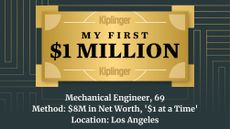 My First $1 Million: Mechanical Engineer, 69, Los Angeles
"I am the classic 'millionaire next door.' I started saving in the company saving plan with my first paycheck at age 22 and never stopped."
By Joyce Lamb
-
 How to Avoid Medicare Penalties When Working Past 65
If you work past age 65, assuming you can delay signing up for Medicare can lead to permanent penalties and costly coverage gaps. Here's how to avoid that.
By Jeff Judge, CFP®, ChFC®, CLU®, AEP®
-
 10 Worst Things to Buy at Costco
Smart Buying Costco gets big ups from shoppers and shopping experts alike for its high-quality products and low prices. However, it's not always the wisest choice to buy these products in bulk.
By Bob Niedt
Smart Buying -
 The Best No-Penalty CD Rates: October 2026
No-penalty CDs provide a high return while giving you the flexibility to access your cash whenever needed. Check out Kiplinger's top choices.
By Sean Jackson
-
 Money Market vs. High-Yield Savings: Which Is Better?
Money market accounts and high-yield savings accounts both offer attractive rates. Compare APYs, fees and access to your cash to find the right fit.
By Sean Jackson
-
 Should You Leave Your Heat On All Day or Turn It Off?
We'll show you which option helps keep you comfortable and save money on your energy bills.
By Erin Bendig
-
 9 Easy Home Hardening Projects That Also Save on Insurance
These small projects can protect your home from the elements and might lower your home insurance premium.
By Paige Cerulli


