Features

-
 Retired to Florida and Hate It? Here Is Your 'Half-Back' Escape Plan
Regretting a move to Florida? You aren’t alone. Many people relocate in retirement to a new place they end up not liking. Here's how a half-back move can save your retirement.
By Donna Fuscaldo
-
 The 4% Rule for Retirement Withdrawals Gets an Upgrade
The go-to rule for retirement spending was created over 30 years ago. Things have changed since then. Here's how you can modernize the rule to fit your needs.
By David Rodeck
-
 The Short-Term Rental Crackdown: Should You Sell?
We consider the case of a retired couple relying on summer rental income from a $1.1 million beach house. Local zoning changes are forcing a hard choice between lifestyle and portfolio stability.
By Maurie Backman
-
 Should You Work in Retirement or Work on Your Golf Swing?
While many retirees keep a job for the social and physical benefits, many are working out of financial necessity. Is working in retirement right for you?
By Alan E. Becker, Investment Adviser
-
 The Most Important Planning Step I Learned After I Retired
Most of us focus on how much to save for retirement, but what you'll spend is just as important, and your spending habits might change more than you expect.
By Jeanne Thompson
-
 What to Do When a 529 Plan Doesn't Cover the Cost of College
Don't dip into your own retirement savings if your child's 529 plan won't cover all their college expenses. The plan can be more flexible than you might think.
By Bennett Pardue, CFP®, CDFA®, Investment Adviser Representative
-
 Planning for Care If You Can No Longer Care for Yourself
Long-term care as you age is expensive and, for most of us, inevitable. Making arrangements now, while you can, is a gift to those you love.
By Kerri Anne Renzulli
-
 4 Things You Can Do If Your Home Insurance Is Canceled or Not Renewed
Here's how to understand your notice, switch coverage and protect your home after a policy nonrenewal or cancellation.
By Ben Luthi
-
 What Happens During a Home Appraisal?
From comps to contingencies, here’s what a home appraisal reveals about your property’s true worth.
By Dori Zinn
-
 Social Security Do-Overs Quiz: Can You Undo a Claiming Mistake?
Quiz Whether you're looking for a total "do-over" or just a temporary "pause," this quick quiz reveals exactly what is — and isn't — possible.
By Donna LeValley
-
 These 5 Rules Separate the Rich From Everyone Else
Discover the 5 key habits the wealthy follow that can help anyone build long-term financial security.
By Zina Kumok
-
 5 Social Security Myths That Can Cost You Thousands
Before you collect Social Security benefits, make sure you don't believe any of these falsehoods.
By Donna Fuscaldo
-
 The 10 Most Valuable Vacation Destinations for Retirees in 2026
From U.S. getaways to international escapes, these budget-friendly destinations offer retirees the perfect mix of rest, rejuvenation and a touch of excitement.
By Kathryn Pomroy
-
 Is a 55+ Community Right For You?
Before you sign on the dotted line, consider HOA fees and community culture.
By Robyn A. Friedman
-
 7 Reasons to Avoid a Self-Directed IRA or SDIRA
Self-directed IRAs let investors do things they can't in an ordinary IRA, like invest directly in alternative assets. But this opportunity also comes with these risks.
By David Rodeck
-
 Would Capping Credit Card Interest Rates Curb Consumer Debt?
Credit card interest rates are at high levels right now, but would capping rates at 10% for a year really help those struggling with debt?
By Chris Berkel, Investment Adviser
-
 These 2 Books on Money Could Cure Your Financial Pessimism
Reading Joseph Moore's new book, How to Get Rich in American History, as well as Cosmo DeStefano's Wealth Your Way, could help you achieve financial freedom.
By H. Dennis Beaver, Esq.
-
 Is Money Making You Sick?
Research reveals a strong link between financial well-being and physical and mental health — and what you can do to keep all three in top shape.
By Diane Harris
-
 5 Best (and Worst) US Airports for Flight Delays
Hate getting delayed at the airport? Here are five airports where that’s least likely to happen and five with the worst track record for flight delays.
By Rachael Green
-
 5 Ways to Save on Summer Flights
Travel Follow these strategies to avoid paying top dollar to fly across the Atlantic.
By Carla Ayers
-
 Knicks vs. Spurs NBA Finals Puts the 'Jock Tax' Back in the Spotlight
State Taxes The NBA Finals, and other sporting events, are connected to taxes in a significant way.
By Kelley R. Taylor
-
 The Best Active ETFs to Buy
The best active ETFs offer potential outperformance over an index benchmark, but be aware of higher fees, greater turnover and manager-specific risks.
By Tony Dong, MSc, CETF
-
 What is the IRMAA (Income-Related Monthly Adjustment Amount)?
IRMAA is a surcharge added to your Medicare Part B and Medicare Part D prescription drug coverage premiums if your income is above a certain level. Here's what you need to know.
By Donna LeValley
-
 Why the IRS Can Reject Smartwatch Mileage Logs
Tech Tax As we hit the halfway point of 2026, it's time to audit your mileage log before Uncle Sam audits it for you.
By Kate Schubel
-
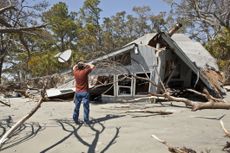 10 Things You Need To Know About Hurricane Insurance Claims
Becoming a Homeowner Hurricane damage? Know what your insurance will and won't cover to make the most of your policy if you need to file a claim.
By Rachael Green
-
 Best Bond ETFs to Buy Now
ETFs Bond ETFs can help diversify your portfolio, but you need to be aware of interest rates and inflation, as well as credit quality, liquidity and tax efficiency.
By Tony Dong, MSc, CETF
-
 Wall Street's 6 Top World Cup Stock Picks
The World Cup kicks off this month and could give the global economy a $40 billion jolt. These are some of the stocks analysts think could benefit.
By Kyle Woodley
-
 5 Top Buy-and-Hold Investments to Manage Market Volatility
When seeking out the best buy-and-hold investments, look for assets that will last beyond short-term market noise.
By Jeff Reeves
-
 Do You Know How to Behave in an Airport Lounge? Take Our Quiz
Are you committing airport lounge faux pas without realizing it? Take this short quiz to find out.
By Rachael Green


