6 Ways to Prevent Water Damage This Winter
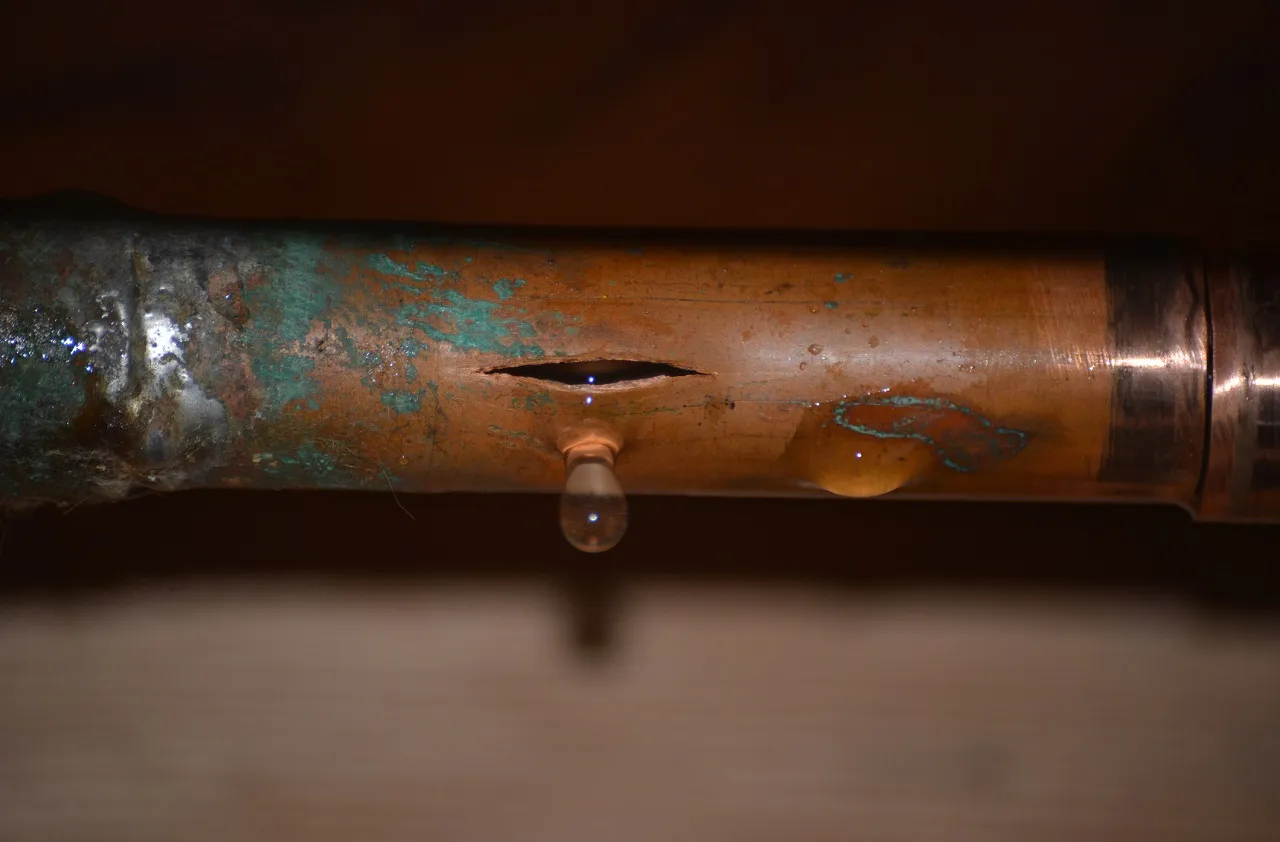
If the worst happens, your homeowners insurance will cover leaks and burst pipes, or water that comes into your home through your roof and windows. But it doesn't cover flooding.
Profit and prosper with the best of Kiplinger's advice on investing, taxes, retirement, personal finance and much more. Delivered daily. Enter your email in the box and click Sign Me Up.
You are now subscribed
Your newsletter sign-up was successful
Want to add more newsletters?
Delivered daily
Kiplinger Today
Profit and prosper with the best of Kiplinger's advice on investing, taxes, retirement, personal finance and much more delivered daily. Smart money moves start here.
Sent five days a week
Kiplinger A Step Ahead
Get practical help to make better financial decisions in your everyday life, from spending to savings on top deals.
Delivered daily
Kiplinger Closing Bell
Get today's biggest financial and investing headlines delivered to your inbox every day the U.S. stock market is open.
Sent twice a week
Kiplinger Adviser Intel
Financial pros across the country share best practices and fresh tactics to preserve and grow your wealth.
Delivered weekly
Kiplinger Tax Tips
Trim your federal and state tax bills with practical tax-planning and tax-cutting strategies.
Sent twice a week
Kiplinger Retirement Tips
Your twice-a-week guide to planning and enjoying a financially secure and richly rewarding retirement
Sent bimonthly.
Kiplinger Adviser Angle
Insights for advisers, wealth managers and other financial professionals.
Sent twice a week
Kiplinger Investing Weekly
Your twice-a-week roundup of promising stocks, funds, companies and industries you should consider, ones you should avoid, and why.
Sent weekly for six weeks
Kiplinger Invest for Retirement
Your step-by-step six-part series on how to invest for retirement, from devising a successful strategy to exactly which investments to choose.
Question: What can I do to avoid water damage this winter? I know my policy doesn't cover flooding, but does it pay for other types of water damage claims?
Answer: Yes. Homeowners insurance covers water damage, such as from leaks and burst pipes, or water that comes into your home through your roof and windows. In fact, water damage accounts for almost half of all property damage claims, according to the Insurance Information Institute. Burst pipes or undetected leaks can cause damage to the floor, walls, ceilings, furniture, artwork and other valuables, can soak electrical systems, and can even cause dangerous mold if not cleaned up quickly. A Chubb study found that 57% of homeowners who have experienced a water leak claim in the past two years spent more than $5,000 on clean-up costs, and 15% spent $20,000 or more.
3. Check your water supply lines at least once a year. Give your house an annual leak checkup to inspect water supply lines and washing machine hoses for signs of wear, says Camp. Check for leaks from your hot water heater, washing machine, ice machine in your refrigerator, and any other appliances that can leak. Most water supply lines tend to last for about five years; you may want to replace rubber hoses with steel-braided hoses, which tend to last longer, says Camp.
From just $107.88 $24.99 for Kiplinger Personal Finance
Become a smarter, better informed investor. Subscribe from just $107.88 $24.99, plus get up to 4 Special Issues

Sign up for Kiplinger’s Free Newsletters
Profit and prosper with the best of expert advice on investing, taxes, retirement, personal finance and more - straight to your e-mail.
Profit and prosper with the best of expert advice - straight to your e-mail.
4. Get sewage-backup coverage. Heavy rains and melting snow can overburden the storm water system, causing water or sewage to back up into your house. Sewage and drain backups usually aren't covered automatically under your homeowners insurance, but it may cost only $50, say, to add $10,000 in coverage. Also consider having a battery-powered back-up for your sump pump if the electricity goes out.
5. Clean your gutters and inspect your roof. Remove leaves and other debris, which can clog gutters and send water pouring down the side of your house or under your roof. Also inspect your roof and repair or replace missing or damaged shingles, which can cause water to come in through the roof.
6. Protect your pipes from freezing. Insulate accessible pipes with pipe insulation materials, especially in attics and crawl spaces. When it gets very cold, keep cabinet or closet doors open to help prevent pipes there from freezing. Consider low-temperature detectors, which can send an alert to your smartphone if the temperature in areas of your home near pipes dips below freezing. For more information, see the Insurance Institute for Business & Home Safety's Freezing and Bursting Pipes white paper.
For more information about protecting your home from water damage, see the Insurance Institute for Business and Home Safety's plumbing damage protection pages. Also see the Federal Alliance for Safe Homes' ways to protect your home. For more information about water damage and other homeowners insurance claims, see How to Get Your Insurer to Pay Your Claims.
Profit and prosper with the best of Kiplinger's advice on investing, taxes, retirement, personal finance and much more. Delivered daily. Enter your email in the box and click Sign Me Up.

As the "Ask Kim" columnist for Kiplinger's Personal Finance, Lankford receives hundreds of personal finance questions from readers every month. She is the author of Rescue Your Financial Life (McGraw-Hill, 2003), The Insurance Maze: How You Can Save Money on Insurance -- and Still Get the Coverage You Need (Kaplan, 2006), Kiplinger's Ask Kim for Money Smart Solutions (Kaplan, 2007) and The Kiplinger/BBB Personal Finance Guide for Military Families. She is frequently featured as a financial expert on television and radio, including NBC's Today Show, CNN, CNBC and National Public Radio.
-
Should You Do Your Own Taxes This Year or Hire a Pro?Taxes Doing your own taxes isn’t easy, and hiring a tax pro isn’t cheap. Here’s a guide to help you figure out whether to tackle the job on your own or hire a professional.
-
Trump $10B IRS Lawsuit Hits an Already Chaotic 2026 Tax SeasonTax Law A new Trump lawsuit and warnings from a tax-industry watchdog point to an IRS under strain, just as millions of taxpayers begin filing their 2025 returns.
-
Quiz: Are You Ready for the 2026 401(k) Catch-Up Shakeup?Quiz If you are 50 or older and a high earner, these new catch-up rules fundamentally change how your "extra" retirement savings are taxed and reported.
-
Key Documents You Need to Take With You in an Emergencyreal estate As you prepare for Florence or the next big hurricane, make sure you gather financial documents that you'll need if you must evacuate or your home is damaged.
-
How to Prepare for Hurricane Florenceinsurance As the Carolinas and Mid-Atlantic states brace for a severe hurricane, residents in its path still have time to protect their homes and finances.
-
Tapping a Roth IRA for a Housereal estate You can withdraw contributions from a Roth IRA to help purchase your first home.
-
Raising Cash to Make Hurricane Damage Repairsreal estate Many hurricane victims are still waiting for payments from insurers or disaster assistance from FEMA to make home repairs. In the meantime, here are ways to raise money to get fixes under way.
-
How to Find a Home's Claims Historyinsurance Ask for the seller’s disclosure report to uncover problems that could affect your homeowners premiums.
-
What You Need to Know About Homeowners Insurance in Hurricane-Prone Statesreal estate Policies can be prohibitively expensive in areas susceptible to hurricanes, but home buyers can take steps to make sure they’re not overwhelmed by the premiums.
-
Deducting Mortgage Interest on a Vacation Homehome You may be able to write off all mortgage interest on a second home if you’re not renting it out for extended periods.
-
Tax Breaks When Moving to Take Your First JobTax Breaks The cost of hiring movers and traveling to a new home are tax-deductible if you meet the distance test.