The 3-and-10 Rule: How Social Security Replacement Card Limits Work
Think you can get a new Social Security card whenever you lose one? Federal limits say otherwise.


If you misplace your Social Security card, getting a replacement may seem like a simple, routine task. But before you apply, you need to know about the "3-and-10" rule.
Under federal law, the Social Security Administration (SSA) limits the number of replacement cards you can receive to three per calendar year and ten over your lifetime. While most people will never come close to those thresholds, reaching the cap without understanding how the system works can leave you stranded when you need a physical card for a new job or government benefits.
Congress established these limits to combat identity theft, prevent the illegal resale of Social Security cards, and deter fraud — not to punish people who simply misplace a card.
From just $107.88 $24.99 for Kiplinger Personal Finance
Become a smarter, better informed investor. Subscribe from just $107.88 $24.99, plus get up to 4 Special Issues

Sign up for Kiplinger’s Free Newsletters
Profit and prosper with the best of expert advice on investing, taxes, retirement, personal finance and more - straight to your e-mail.
Profit and prosper with the best of expert advice - straight to your e-mail.
The statutory limits on replacement cards
The limit on replacement cards began a little over 20 years ago. As part of post-9/11 legislation, the Intelligence Reform and Terrorism Prevention Act (IRTPA) of 2004 introduced limits on issuing replacement Social Security cards.
- Yearly limit: 3 replacement cards in a single calendar year.
- Lifetime limit: 10 replacement cards over a lifetime.
The count applies to replacement cards issued on or after December 17, 2005. Original Social Security card issuances, such as at birth or naturalization, do not count toward these limits. There are a few more exceptions that are discussed below.
How the system works and other exclusions from caps
The SSA tracks replacements automatically through its internal enumeration system, the "Online Social Security Number Application Process" (SSNAP). When you submit an application, the system checks the card history before authorizing a replacement card.
Automatic exclusions that do not count toward limits. Certain types of card issuances are exempt from the 3/10 limits:
- Legal name changes: Updating a first name or surname.
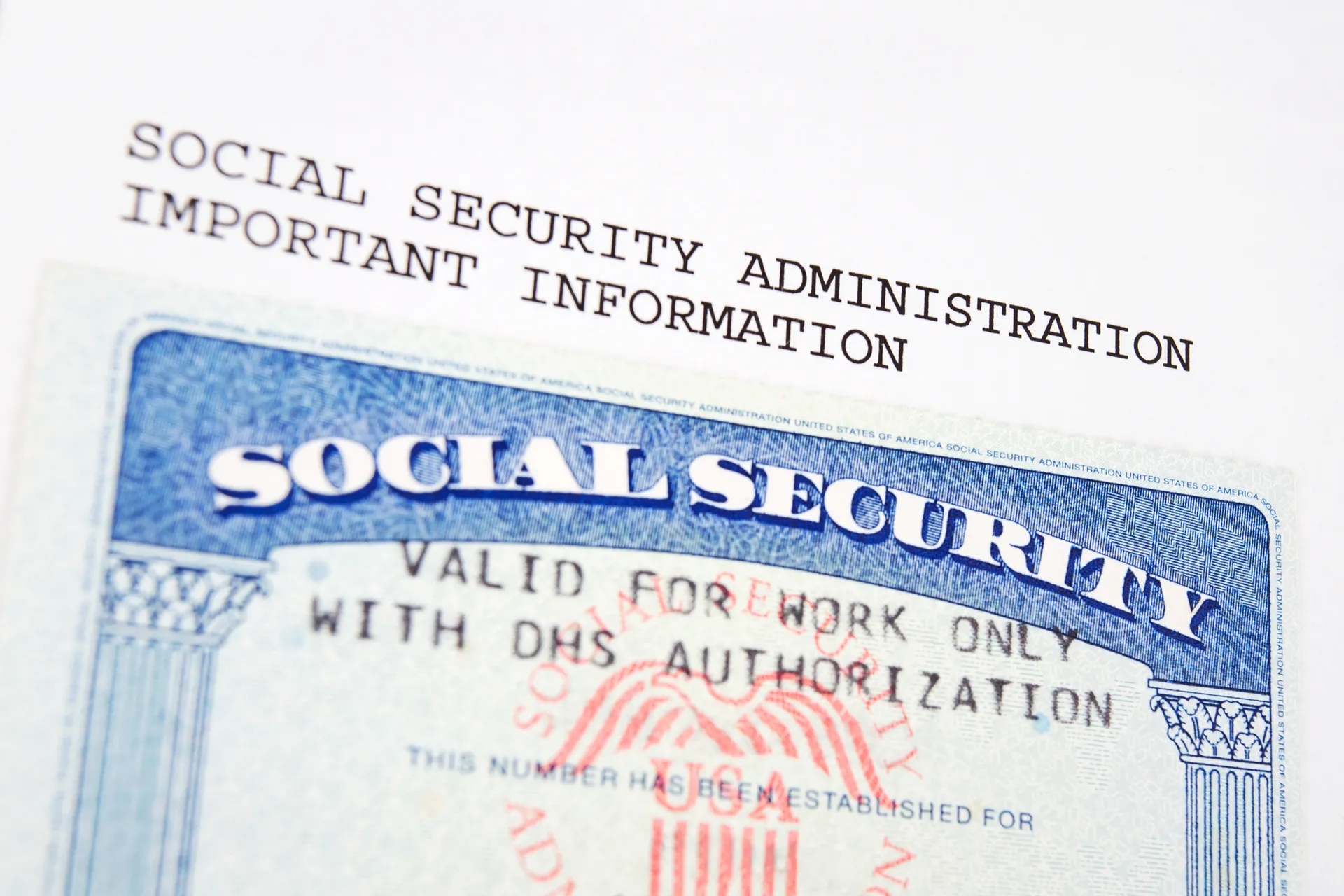
- Work authorization legend changes: Adding, removing or modifying restrictive legends (e.g., changing from "Valid for Work Only with DHS Authorization" to an unrestricted card).
- Non-receipt / SSA errors: Cards lost in the mail or replacements required due to an SSA clerical error.
Hardship exceptions
If an individual reaches the 3-per-year or 10-per-lifetime threshold, they can apply for a hardship exception by providing documentation that a lack of a physical card creates a significant risk or barrier.
Common valid grounds include:
- Employment: An employer requires the physical card for Form I-9 verification, and alternative identity/work documents are unavailable.
- Government benefits / housing: A state or federal agency requires the physical card to process an application for financial assistance, food benefits or housing.
- Severe personal hardship: Exceptional circumstances where a failure to produce the physical card directly impacts health, safety or basic livelihood.
How many people apply for replacements?
Official SSA operational data indicates that fewer than 0.1% of all replacement card applicants hit the 3-card yearly or 10-card lifetime limit in a given year.
The Social Security Administration (SSA) issues approximately 10 million replacement Social Security cards annually. By comparison, the SSA issues about 5.5 million to 6.9 million original (new) Social Security numbers annually (primarily newborn enrollments and new immigrants).
Replacement applications represent the majority of physical card transactions. This is typically the result of lost or damaged cards or the need to change the name appearing on the card, rather than card fatigue, according to the SSA.
The cards are made with specially designed pre-printed banknote paper that has been standard since 1983. They have an estimated use life that depends on how often you physically handle the card. The banknote paper Social Security cards are expected to last at least 50 years with little use or handling. While cards with moderate use or handling are expected to last 35 to 50 years.
Personally, I've gone through three cards due to misplacement or loss. Fortunately, only one counts against my lifetime limit.
Related Content