Stolen SSN? A New Law Promises Faster Help From Social Security
A new law aims to cut red tape for Social Security identity theft victims and promises a single point of contact.


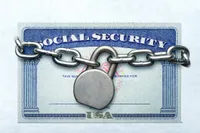
Recovering from identity theft can feel like a full-time job, but a newly enacted federal law aims to eliminate at least one major headache. Signed into law on October 7, 2026, the Improving Social Security’s Service to Victims of Identity Theft Act (H.R. 5345) promises to end the exhausting "call center scavenger hunt" for victims of Social Security number (SSN) fraud.
"Americans recovering from identity theft should not have to fight through layers of red tape to receive help. With President Trump’s signature, victims will have a trained Social Security Administration employee responsible for coordinating their case and seeing it through to resolution," said the legislation's sponsor, Representative David Kustoff (TN-08).
The provision takes effect 180 days after enactment. The Social Security Administration (SSA) has a six-month implementation window, making the official effective date April 5, 2027.
From just $107.88 $24.99 for Kiplinger Personal Finance
Become a smarter, better informed investor. Subscribe from just $107.88 $24.99, plus get up to 4 Special Issues

Sign up for Kiplinger’s Free Newsletters
Profit and prosper with the best of expert advice on investing, taxes, retirement, personal finance and more - straight to your e-mail.
Profit and prosper with the best of expert advice - straight to your e-mail.
During this 180-day transition period, the SSA must establish internal protocols, train designated staff and set up the casework routing systems needed to assign single points of contact for victims.
What the law does for victims
Under the bipartisan legislation, the SSA is now required to assign identity theft victims — as well as individuals whose Social Security cards are lost or intercepted in the mail — a single, dedicated point of contact. Rather than explaining your situation to a different representative every time you call, you will work with one trained SSA employee who is tasked with maintaining your case records and coordinating across agency departments until your issue is fully resolved.
Rep. Kustoff introduced the legislation after constituents reported getting bogged down in a long, confusing process to resolve Social Security identity theft. A release from the Ways and Means Committee noted that "an individual may be faced with multiple, different processes requiring them to speak to multiple, different SSA employees before the issue is resolved" and "victims report they are often provided conflicting information and advice."
And data breaches continue to rise. In 2024, there were 3,158 data compromises and more than 1,800 included SSNs; these numbers were up in 2025, with 3,322 data compromises reported and SSN-related data exposed in 2,243 of the breaches, according to the Identity Theft Resource Center's 2024 and 2025 data breach reports.
What you should do if your SSN is compromised

While this administrative fix streamlines agency support, taking swift personal action remains crucial to protecting your finances. Here are four steps to take when your Social Security number is stolen.
- Contact the SSA: Report fraudulent activity directly to the SSA Office of the Inspector General at oig.ssa.gov or call 1-800-269-0271. Check your earnings records and benefit status by logging into your my Social Security account at ssa.gov/myaccount.
- Lock your Social Security number: Locking your SSN is a strategic move that shuts down the two most common avenues for fraud: illegal employment and unauthorized access to your government records.
- File an FTC report: Visit identitytheft.gov to report the theft and receive a personalized recovery plan.
- Freeze your credit: Contact all three major credit bureaus — Equifax, Experian and TransUnion — to place a free freeze on your credit reports, preventing identity thieves from opening new accounts in your name.
Related Content