The 'Serena Williams Rule': When 'Retirement' is Too Big a Word
Rather than formally retire, Serena Williams sought an "evolution."


When Serena Williams stepped away from tennis in 2022, she very deliberately said, writing in Vogue (paywall), that she "never liked the word 'retirement.' "
"Maybe the best word to describe what I'm up to is 'evolution.' I'm here to tell you that I'm evolving away from tennis, toward other things that are important to me," she wrote, in what served as her announcement that she was, at least temporarily, leaving the profession.
She said she was making the move because she wanted to grow her family, and, as a woman, she couldn't do that without impacting her career. She also said she was interested in trying other work, such as venture capital. With that very specifically worded announcement, Williams left her industry — with the door still open for her to return.
From just $107.88 $24.99 for Kiplinger Personal Finance
Become a smarter, better informed investor. Subscribe from just $107.88 $24.99, plus get up to 4 Special Issues

Sign up for Kiplinger’s Free Newsletters
Profit and prosper with the best of expert advice on investing, taxes, retirement, personal finance and more - straight to your e-mail.
Profit and prosper with the best of expert advice - straight to your e-mail.
In the four years since then, Williams did exactly what she said she would. She had a second child and ramped up her work with Serena Ventures, her investment firm. When she wanted to, she went back to that door she'd left open, accepting a wildcard to play at Wimbledon and joining doubles tournaments at the U.S. Open this summer.
With that, she established what I'll call the Serena Williams Rule of Retirement: Rather than plan a binary retirement, plan to give yourself options.
Let your career 'evolve'
When you've spent decades building and prioritizing your career, the idea of one day abandoning it can seem terrifying and almost nonsensical. That's true even if you've already ascended to the C-suite and built up a more-than-sufficient nest egg.
"Why are we stressing out like that?" said Pam Krueger, founder and CEO of Wealthramp and a Kiplinger contributor. "Instead, have you ever seen a dimmer switch? Forget the on-and-off; it's a dimmer switch. And that's what Serena is doing, that's what her rule is, that's what she's teaching us."
This is largely why Krueger, a financial literacy advocate, urges people of all ages to "stop planning for retirement" and instead plan for optionality.
It's easy to say that of course, Williams can wave a magic wand for a Grand Slam wildcard and do whatever she wants after ascending to the top of her industry and making many millions of dollars. But what about us mere mortals?
Optionality means keeping multiple paths open. You might choose a phased retirement, in which you gradually scale back your hours, take on part-time work, or accept "fractional" C-suite roles.
Maybe you want to shift industries or work part-time on a passion project, which can mean anything from mentoring younger professionals to working as a handyman after decades in corporate life. You could even start a new venture, whether that's launching a consulting business or selling handmade crafts.
Giving yourself these options requires both a mindset shift and practical planning. A "mindset shift" sounds easier, but in practice, this might be the harder part. We are hardwired to believe the story that you work a career for a few decades, then retire, never to do anything productive again.
That's why having an icon such as Williams set an example is so important, because it can challenge how we, as a society, think a career path should go.
How optionality leads to a happier life
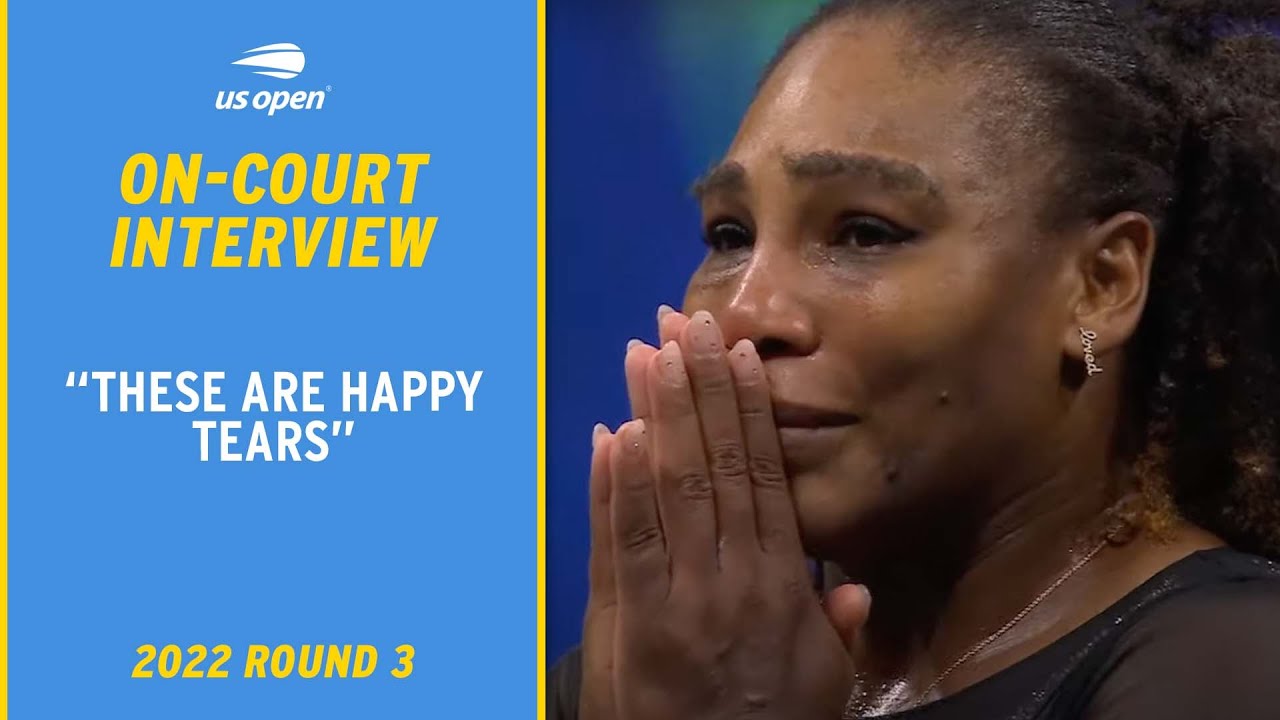
There are many reasons why giving yourself options, rather than restricting yourself to "retired" or "not retired," can make your life easier and happier.
1. Save your savings. On the practical side, picking up some work after you stop working full-time, even if you're making a fraction of what you made, means you don't have to dip as much into your savings. That leaves more of your nest egg untouched, allowing it to stay invested and keep growing.
"The physics of money are that the more you can leave the biggest chunk of money in your retirement account to draw down less at the beginning of those years, the more you're allowing the compound interest to work for you," Krueger said.
Working a little can save your savings in other ways. Serena's sister, Venus Williams, for example, has also never formally retired and plays tournaments a handful of times a year. Last year, she half-jokingly said during an on-court interview that she "had to come back for the insurance." Jobs, even part-time ones, can provide benefits such as healthcare that can preserve your savings a little longer.
2. You give yourself purpose and fulfillment. After retiring, some people become depressed or discontent because they feel that they're no longer contributing to the world. By picking up some work or staying connected to your past industry, you can maintain that feeling of purpose and accomplishment.
3. Make use of your skills. You spent years building up skills that can be applied in different ways. Serena Williams, for example, was obviously an athlete, but at the same time, she was learning the ins and outs of investment as she was seen as an investment by sponsors. She then applied that experience to the venture capital world as an investor herself.
The skills and expertise that you gained don't have to disappear once you step back from your 9-to-5. You can find other ways to use them. This is also a way for you to show respect for yourself and trust in your years of experience.
4. Learn something new. Many studies have shown that learning new things makes people happier. By trying out something different in your later years, you give yourself opportunities to keep stretching your brain, which will make you happier.
Returning to your industry
Maybe, as did Williams, you want to leave yourself the option of returning after you leave full-time work. Here's what to keep in mind:
- Don't burn your bridges. Ensure you're respectful as you walk out the door.
- Nurture your relationships. If you had regular golf outings with colleagues, maintain those, within reason. Make time for occasional phone calls with people in your network. These steps will ensure that if the right opportunity arises, the people who are still there will have you in mind.
- Be open about continuing work. Make it apparent that you're still open to picking up work. Sometimes that's as simple as saying exactly that when you talk to former colleagues, or, if you're doing part-time or side gig work, sharing stories about it on a network such as LinkedIn. (In Williams' case, that was sharing videos of herself on courts with her family.)
- Don't expect immediate triumph. If you do return to your old work, manage your expectations. People are often brought back to manage times of crisis or to hold a boat steady between leadership, such as an interim executive. Sometimes triumph is simply keeping a ship afloat. Sometimes, as with Williams at Wimbledon, the triumph is in showing up and showing it can be done.
Don't be surprised if returning to the office is a little more intimidating than you remember. Environments change and turnover happens. Just remember that you were brought back because the company or industry feels you have something to offer. Carry that confidence with you, along with an open mindset regarding changes that occurred after you left.
Related Content