5 Ways I Honor Earth Day (That Also Save Me Tons of Money)
"Reduce, reuse, recycle" is also good advice for spending and saving.

For over 50 years, Americans have celebrated Earth Day, taking a day to remember that we have this one planet and should take care of it.
There are lots of different ways to recognize Earth Day, from joining a party at a park to volunteering at a nature clean-up to turning off major appliances for the day. But, we know, it takes more than one day to look out for the planet; we have to develop certain habits and make choices every day to really have an impact.
As an editor at a finance publication, I find the edicts of "green" living fascinating — because so many of them also double as good financial advice. You need to conserve energy overuse in the same way you need to "conserve" overspending, for example, and "reusing" items gives the earth returns in the same sort of way reinvesting dividends and compound interest give you returns.
From just $107.88 $24.99 for Kiplinger Personal Finance
Become a smarter, better informed investor. Subscribe from just $107.88 $24.99, plus get up to 4 Special Issues

Sign up for Kiplinger’s Free Newsletters
Profit and prosper with the best of expert advice on investing, taxes, retirement, personal finance and more - straight to your e-mail.
Profit and prosper with the best of expert advice - straight to your e-mail.
Plus, many eco-friendly habits also literally save you money. With that in mind, here are five ways I'm celebrating Earth Day, both on April 22 and every day around it, that save me money.
1. Opt for public transportation
I lived in New York City for 15 years, and my favorite part about it was the subway system. Yes, it's grimy underground, but it's also an amazing feature that you can pay $3 to get just about anywhere 24 hours a day.
When you live in a place like New York, a typical question that comes up is, "Should I take the subway or be lazy and waste money on a cab?" The price of a taxi vs the train is exponentially different, like $3 vs $40. And often, because of traffic, the subway will get you to your destination faster.
"Public transportation use is one of the most effective actions individuals can take to conserve energy," says the Kansas City Area Transportation Authority. "Riding public transportation far exceeds the benefits of other energy-saving household activities, such as using energy-efficient light bulbs, adjusting thermostats, or using energy-efficient appliances."

The view from Metro-North at sunset on the Hudson River.
Now that I live in the suburbs and own a car, it's even easier to fall into the trap of driving a car somewhere instead of opting for public transportation. But there are train and bus stations near me that can get me where I want to go.
For example, I can pay about $22 round-trip to get me to midtown Manhattan and back on the commuter train. Alternatively, if I drove, I would spend about $17 on tolls (including New York City's congestion pricing), and if I couldn't find street parking, another $35 or so on a lot, on a good day. That doesn't begin to price in the cost of gas or the mental strain of getting stuck in traffic.
The train and buses can also take me in between towns, not just into the city. And by using the car less, I'll have less wear-and-tear, and so will spend less on maintenance.
2. Avoid disposable water bottles
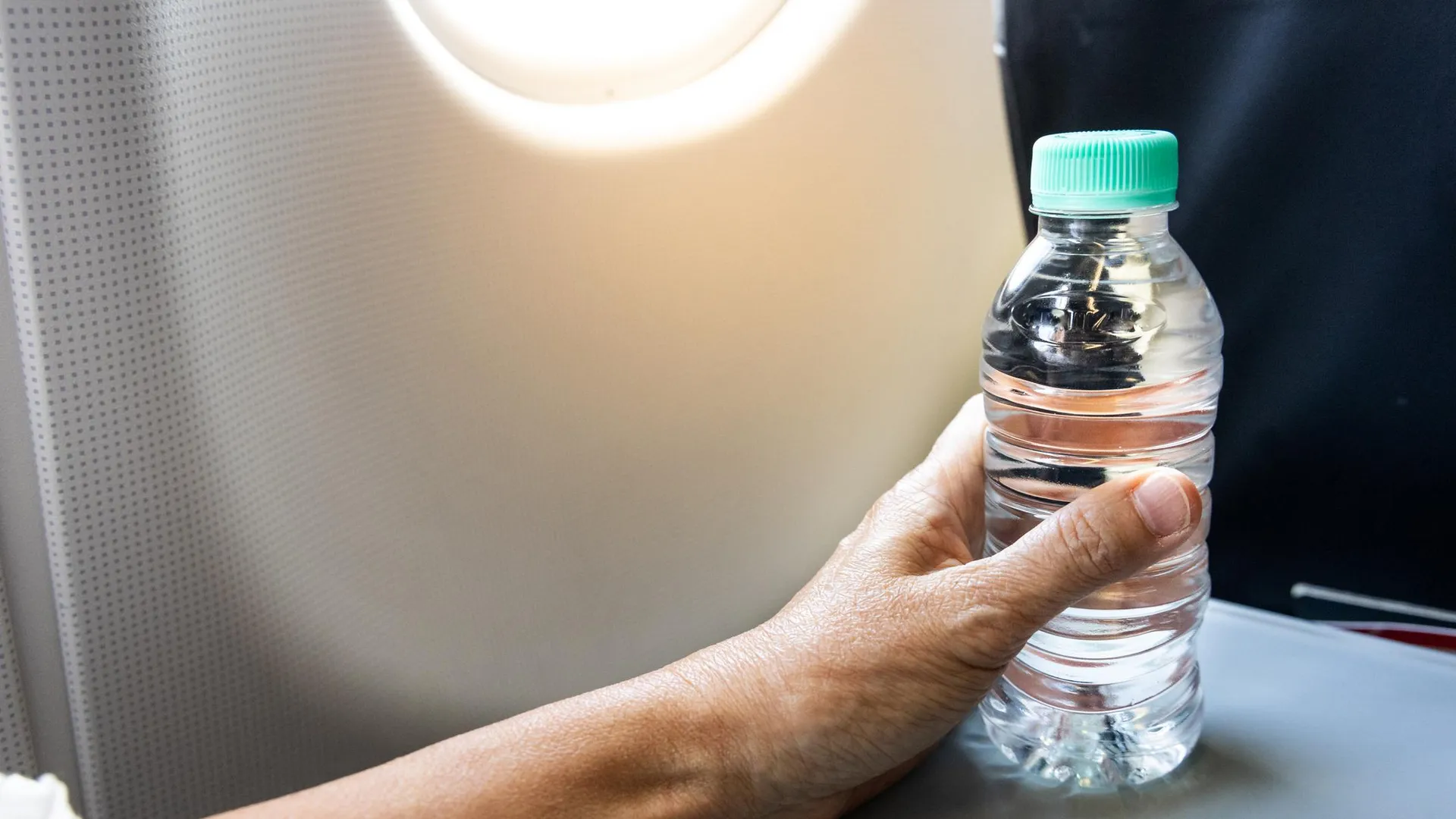
If you were to ask me my second favorite thing about living in New York City, I'd say the high quality of the tap water. Why do you think the bagels are so good? It's the water.
One of the tenets of Earth Day is to "reduce, reuse and recycle," and one easy way to do that is to use a reusable water bottle instead of plastic disposable ones. Like many people, I bought into the 2020s trend of colorful water bottles to stay hydrated, and while it felt a little crazy to spend $40 on a water bottle, now that I've been using the same one for five years, I can say it was worth it.
If the tap water where you live is not as glorious as New York City's, you can also invest in water filters to refill your bottles.
Reusable water bottles come in handy the most when traveling. What I do is take an empty bottle with me to the airport, then fill it up once I'm past security. Many airports have fill stations for just this purpose. As someone who's gotten dehydrated on a plane (believe it or not, that 4-ounce cup from drink service will not sustain you for a few hours), I consider this one of the most important things to take on a plane.
Now you have a water bottle to use in the air and through your whole vacation. Starting with the airport alone, you've already saved the $7 or so you would spend on a plastic bottle in the terminal.
3. Skip the trends

Buying a reusable water bottle one time was a good decision both for the environment and for my wallet. But it would've been a problem if I went chasing trends, jumping from a Hydro Flask to an Owala to a Stanley depending on which brand was in vogue.
This is true of chasing trends in just about anything, from clothes to home decor to "wellness" and skincare. I have saved an uncountable amount of money simply by skipping trends — and that has also helped the environment.
Because I don't buy fast-fashion, I'm not helping fuel that harmful industry. Because I don't get new makeup or skincare every few weeks, I'm using fewer disposable plastic products. Because I'm not ordering new drapes and peel-and-stick wallpaper, I'm not engaging all the earthly problems that come with shipping and deliveries. Win-win for Mother Nature and my wallet.
Bonus savings: Shop second-hand. You'll save thousands on designer goods through shops like The RealReal and Vestiaire Collective.
4. Use green energy
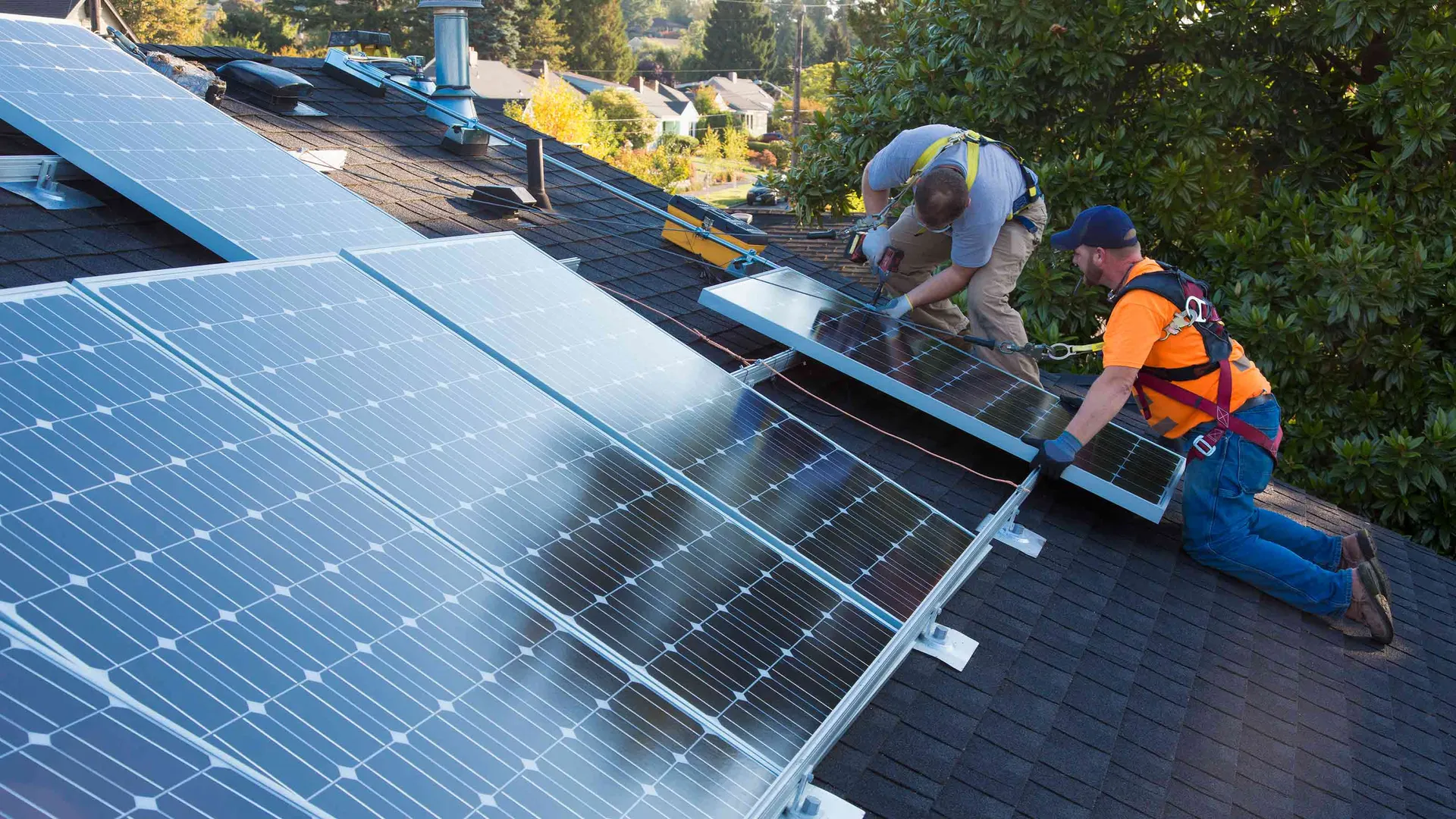
As I wrote about, I recently bought a house with solar panels. Every month since I moved in, my electric bill has been $20, with one exception: In February, we had to kick into the grid and were charged $140.
That means that, at a very rough estimate, I'm saving $120 every month that I use solar energy. Over the course of a year, that's well over $1,000, even accounting for one month at $140. We know that energy prices will continue to rise, along with everything else, so these savings will grow over time.
I understand that installing solar panels is a big financial undertaking, especially now that federal tax credits have expired, but like buying that $40 water bottle, the savings will add up over time. My next step, as I wrote in that article, is to get an electric vehicle, which will save me on gas prices and essentially run for free thanks to the solar panels.
5. Skip the meat, sometimes

Nonna's pasta e fagioli.
It's well known by now that eating meat contributes to environmental harm. I am still very much a carnivore, but I've been eating less meat at home. That means I save steak to be an occasional treat when I go to a restaurant, for example, rather than cook it at home on a weekly basis. Even just skipping meat for one day a week can help the environment: Each meatless meal saves 133 gallons of water, according to the University of Colorado Boulder.
Honestly, it helps that I learned how to cook in part from my grandmother, who grew up in southern Italy, a heartland of "peasant food." Pasta e ceci (chickpeas) is one of my favorite dishes, and beans never feel like an afterthought or downgrade. One can of beans is about $2.50, while a pound of steak can be $15 or more, so there are obvious cost savings.
The less obvious savings are in health. "Eating less meat and more plant-based foods can lower your risk of chronic diseases, such as heart disease, high blood pressure, type 2 diabetes, and some cancers," according to the Johns Hopkins Center for a Livable Future. Given the high costs of health care, this results in a multitude of savings, while helping the environment.
Bonus savings: Cook more at home, rather than ordering takeout, where you'll be using disposable plastics.
Live an intentional life for your wallet and the planet
With the exception of the solar panels, I hope you've seen that all of the choices represented here are relatively simple. None of this is really about going out of your way or massively changing your life or lifestyle.
For me, these choices are just about making decisions more intentionally. If I'm about to order something on Amazon, for example, I stop and consider if I could instead wait to pick it up on my next pharmacy store trip, thereby avoiding the environmental impact of shipping one item to my house. Before I buy a new purse from an Instagram ad, I stop and think if I can instead "shop my closet." While grilling a pork chop is easy, I wonder if I can serve it alongside beans and then be able to have leftovers to spread the pork chop over another day or two, making my per-meal costs lower.
Just as saving a few dollars every day adds up over time, so too do these decisions for the environment.
Related Content