Does Your Car Insurance Cover These 5 Cold-Weather Problems?
Winter weather can leave drivers facing expensive repairs, but not every type of damage is covered by car insurance. Here's what your policy will pay for and where you could be left with the bill.


Winter is full of hazards for your vehicle. You might wake up after a snowstorm to find a tree branch has fallen on your car. Or you might hit black ice during your commute and slide into a guardrail.
These situations can cause thousands of dollars in damage, and you might expect your car insurance to cover the expense. But whether your insurer will pay depends on the type of coverage you carry.
Before freezing temperatures and snowy roads become part of your daily routine, take some time to review your policy. Here's a look at five common winter hazards, what your car insurance may cover and where you might have gaps in coverage.
From just $107.88 $24.99 for Kiplinger Personal Finance
Become a smarter, better informed investor. Subscribe from just $107.88 $24.99, plus get up to 4 Special Issues

Sign up for Kiplinger’s Free Newsletters
Profit and prosper with the best of expert advice on investing, taxes, retirement, personal finance and more - straight to your e-mail.
Profit and prosper with the best of expert advice - straight to your e-mail.
Understand what your car insurance covers before winter weather hits
Before winter weather arrives, take a look at your current coverage. Insurers offer three main types of car insurance:
- Liability insurance: Generally required by states, liability coverage pays for injuries and property damage you cause to others in an accident. It doesn't cover damage to your own vehicle.
- Collision insurance: Collision coverage helps pay to repair or replace your vehicle if you hit another car or object. That may include accidents caused by icy or snowy roads, regardless of whether you're at fault. A deductible typically applies.
- Comprehensive insurance: Comprehensive insurance covers damage to your vehicle from non-collision events, such as falling branches, hail, theft and certain types of windshield damage. A deductible typically applies.
Most states require drivers to carry a minimum amount of liability insurance, but comprehensive and collision coverage are usually optional. However, if you've leased a vehicle or financed your car with an auto loan, the lender or leasing company might require you to carry comprehensive and collision coverage.
It's essential to understand how the different types of coverage work and how they might apply — or not — to winter hazards.
1. A fallen branch or hail damages your car
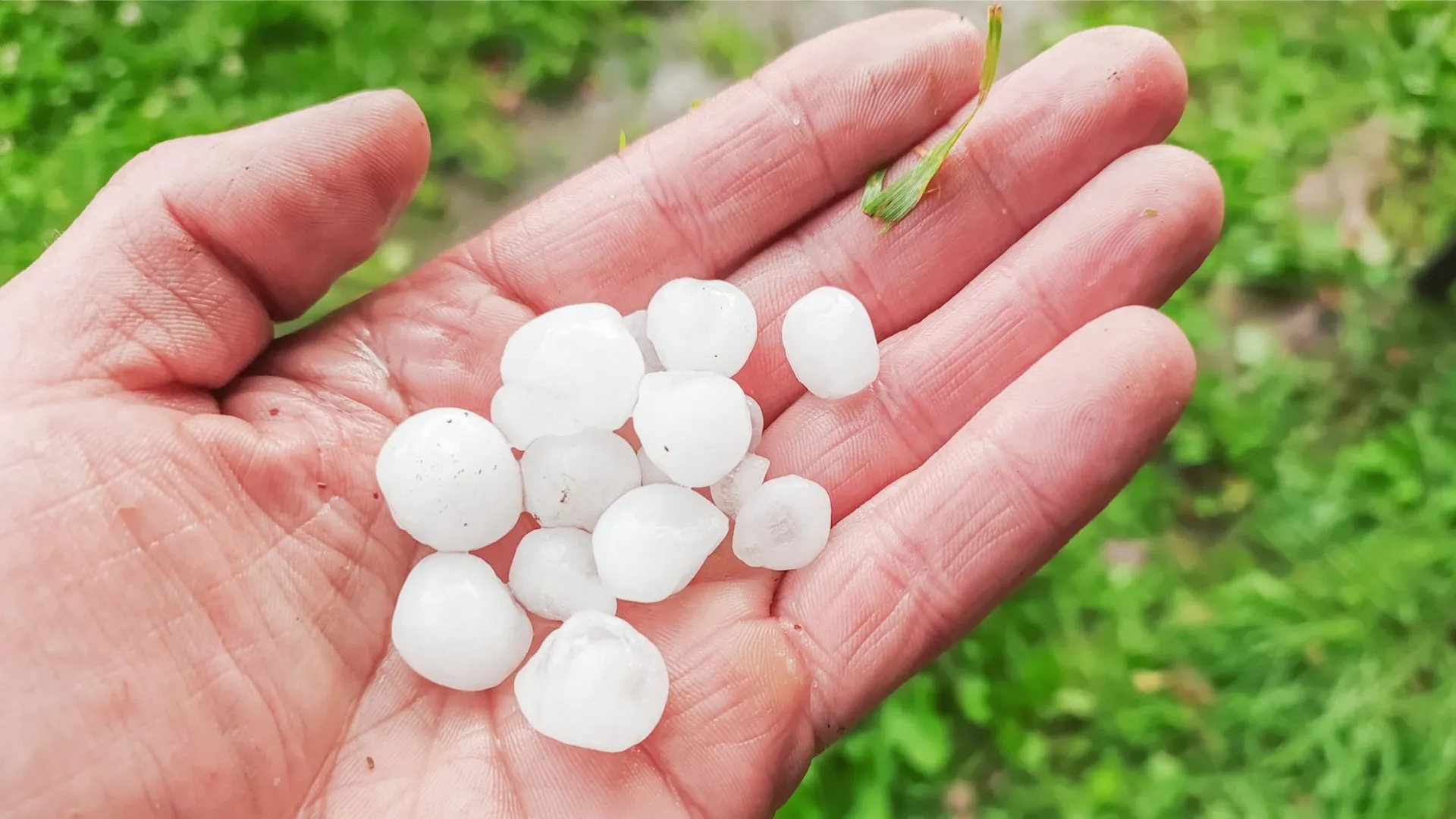
Coverage: Comprehensive insurance generally covers damage caused by falling trees, branches, hail and other weather-related events.
If your car is damaged during a winter storm, you'll typically be responsible for paying your deductible, with your insurer covering eligible repair costs beyond that amount. Liability-only insurance won't cover damage to your own vehicle but instead covers damage you cause to other people's property.
If a branch falls from a neighbor's healthy tree onto your car during an ice storm, chances are your insurance still needs to pay for the damage. However, if the tree was visibly dead or rotting and you'd previously asked your neighbor to remove the branch, it's possible that they might have been negligent and might be responsible for the repair costs.
Since comprehensive insurance policies usually require a deductible, it may not make sense to file a claim if the damage to your vehicle is minimal and the repair cost is only slightly higher than the deductible. Your insurer might increase your car insurance rates after you file a claim, so get a quote for the repair and then decide if filing a claim makes sense.
2. You slide on ice and hit another vehicle or object
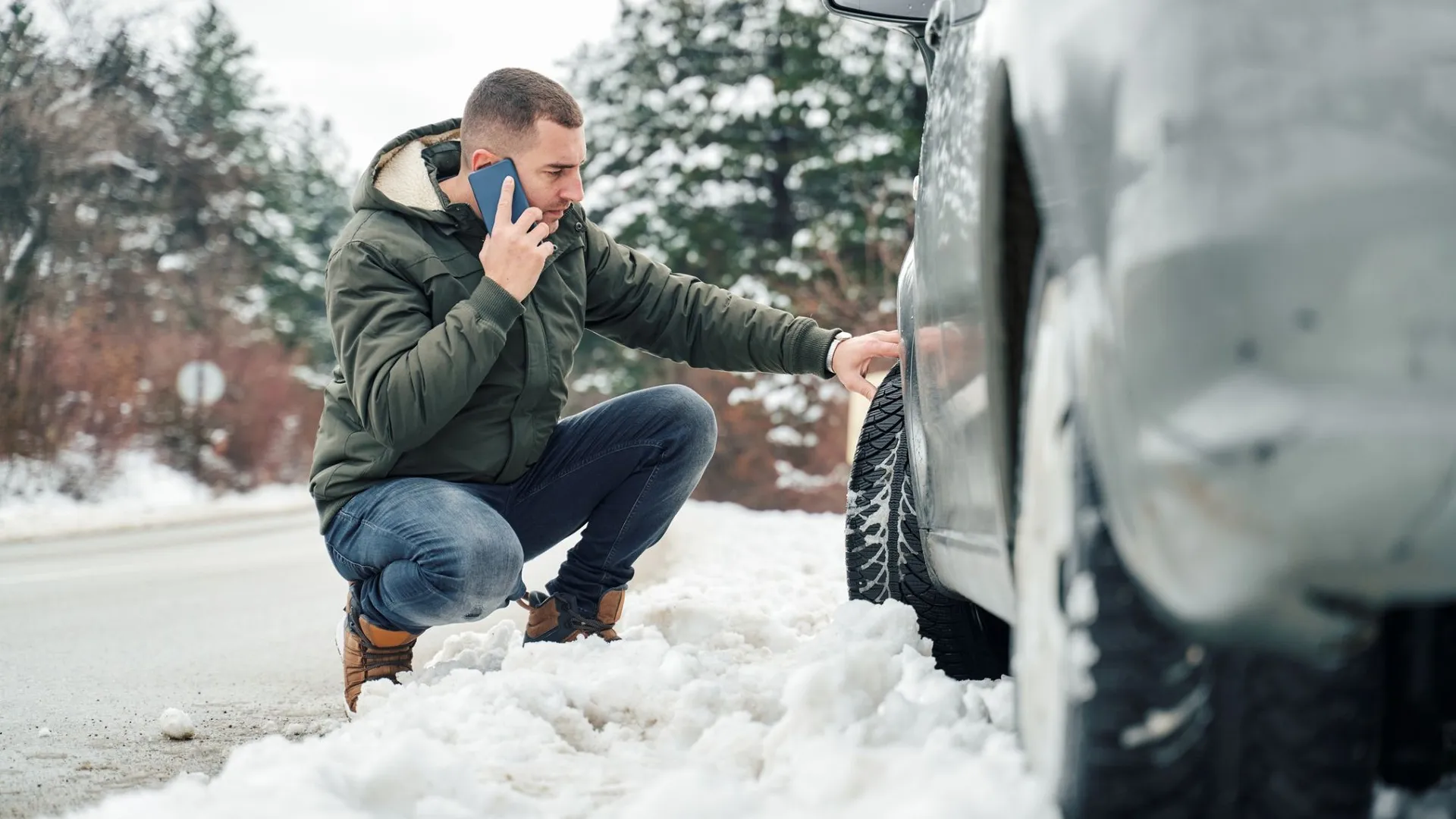
Coverage: Collision insurance generally covers damage to your vehicle when you hit another car, a guardrail or another object, even if icy roads caused the accident.
Comprehensive insurance covers damage from non-collision events, so it doesn't automatically cover a weather-related accident. Liability coverage may pay for damage another driver's vehicle sustains if you're at fault, but it doesn't cover damage to your vehicle. In this instance, your collision insurance would help cover the cost of repairing or replacing your car.
An at-fault accident might increase your future premiums, even though road conditions contributed to the accident; most at-fault accidents stay on your driving record for three to five years.
Collision coverage can pay to repair your car after an icy-road accident, but your deductible applies. Hitting a snowbank or sliding into a ditch can still cause costly damage, so it may make financial sense to file a claim after an accident caused by sliding on ice.
3. Freezing temperatures leave you with a cracked windshield
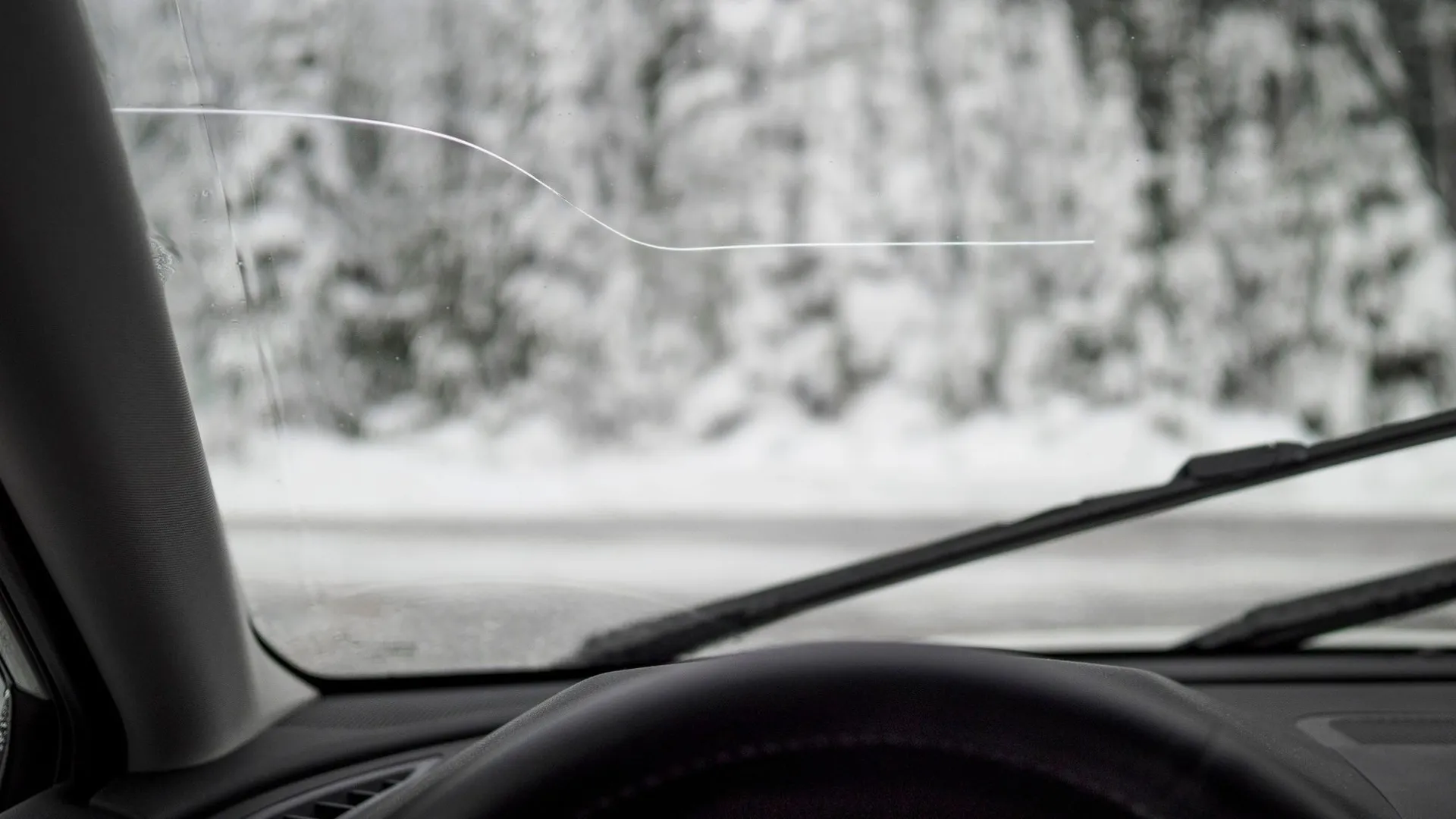
Coverage: Comprehensive insurance generally covers windshield damage caused by flying debris, hail or falling ice, subject to policy terms.
Depending on the severity of the damage, your windshield might simply need to be repaired, which is less expensive than a full replacement. Some insurers offer glass coverage with a reduced or waived deductible, and many cover services that replace windshields right in your driveway for convenience, but always refer to your specific policy for details on your coverage.
Small chips and cracks may only require a repair, but they can become larger over time and might lead to a full replacement. Temperature changes heading into the winter can cause them to grow, so be sure to repair any chips before temperatures drop. Coverage for cracks caused solely by temperature changes or an existing chip may depend on your policy and the cause of the damage.
Don't assume every cracked windshield is covered. Check whether you have comprehensive insurance and separate glass coverage.
4. Your car is stolen while warming up in the driveway
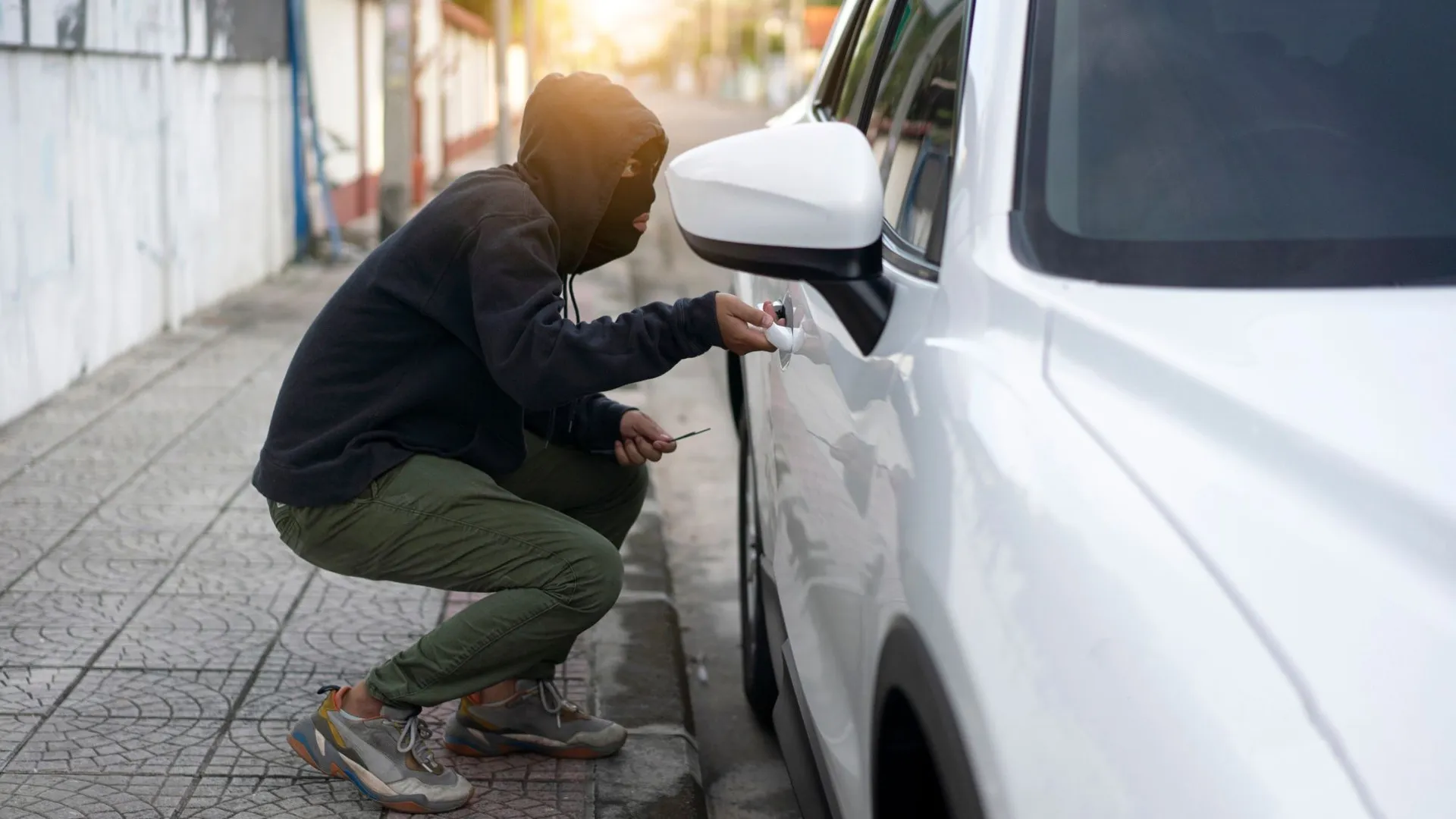
Coverage: Comprehensive insurance generally covers vehicle theft, subject to policy exclusions and the deductible.
It's common to start up a vehicle and leave it running unattended to warm up during the winter, but doing so may make it a target for thieves. Comprehensive insurance typically covers vehicle theft even when the keys are left inside, but circumstances and your policy terms matter.
Leaving a vehicle running unattended may violate state or local laws, and some insurance providers may consider this action to be negligence, which could impact your claim.
Insurers usually determine the payout for a stolen vehicle using its actual cash value, not the cost that you paid for it. Though comprehensive coverage generally protects against theft, leaving your vehicle running unattended creates an avoidable risk.
5. Your battery dies or your car gets stuck in the snow
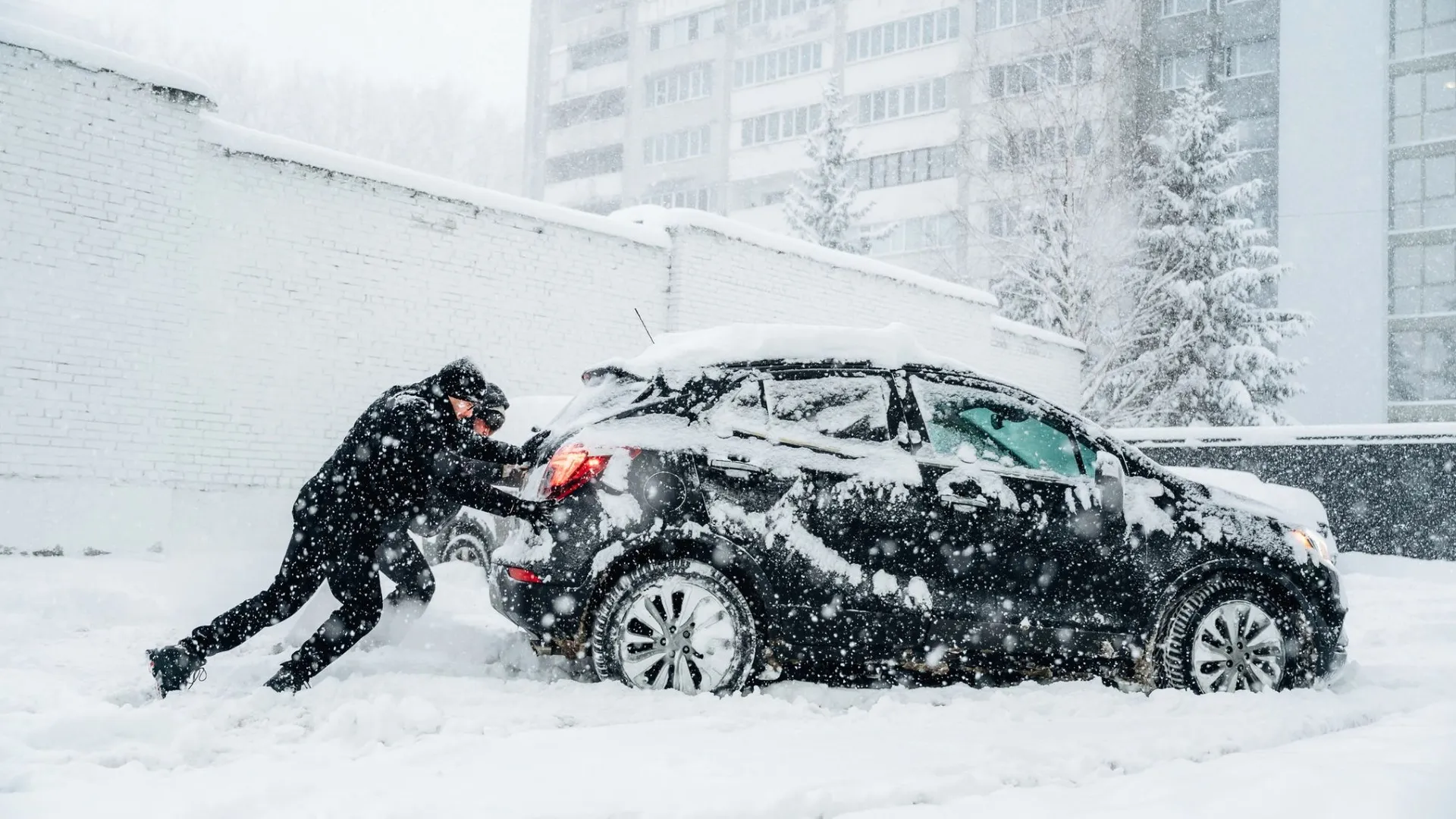
Coverage: Roadside assistance, when included in a policy or purchased separately, may pay for certain emergency services.
Standard liability, comprehensive and collision coverage don't automatically include routine roadside assistance, though some insurers offer it as an optional add-on. Bundling roadside assistance coverage with your other car insurance policies may help you save money, or you might buy coverage through a third-party option, like AAA.
Regardless of where you purchase the coverage, carefully read your roadside plan policy. Some plans don't include certain services, like pulling a vehicle out of deep snow or towing it from an inaccessible location. Additionally, if your dead battery is caused by age or normal wear, it typically isn't covered as an insured loss, so be prepared to pay for the cost of a replacement battery.
Roadside assistance can be useful during winter and offers you peace of mind all year long, but check your service limits and exclusions before you need help.
How to check your car insurance before winter arrives
It's important to know just how your winter car insurance works before you have to rely on it, so review your declarations page to ensure you understand just what protection you have:
- Check your coverage: Do you have comprehensive and collision insurance, or liability only? Should you add on a policy before winter for more complete coverage?
- Review your deductible: Consider whether you'd be comfortable paying $500 or $1,000 out of pocket after a winter accident, or if you need to adjust your deductible. Lowering your deductible can increase your premiums, but the opposite is also true, so consider the right balance between your deductible amount and your premiums.
- Look for gaps: Does your policy include glass coverage, rental reimbursement or roadside assistance? If not, you might want to consider adding extra coverage.
- Consider your vehicle's value: If your vehicle is older, comprehensive and collision coverage may be less cost-effective. Think about your vehicle's value and the premiums of each coverage type to decide if the insurance is worth it.
- Compare quotes: It's a good idea to shop around for car insurance at least once a year, since doing so may help you get better rates. Plus, if you're paying for coverage that doesn't meet your needs, you may save money on your insurance by switching policies.
Having the right winter car insurance may help save you money if your vehicle is damaged, so take the time to evaluate your current coverage and whether it meets your needs. Many wintertime hazards are unavoidable, and the right insurance can help protect you financially.
Use the tool below to compare some of today's top auto insurance offers:
Related Content