4 Good Reasons for Retirees to Maintain Strong Credit
A good credit score may come in handy when you — and others — need it most.

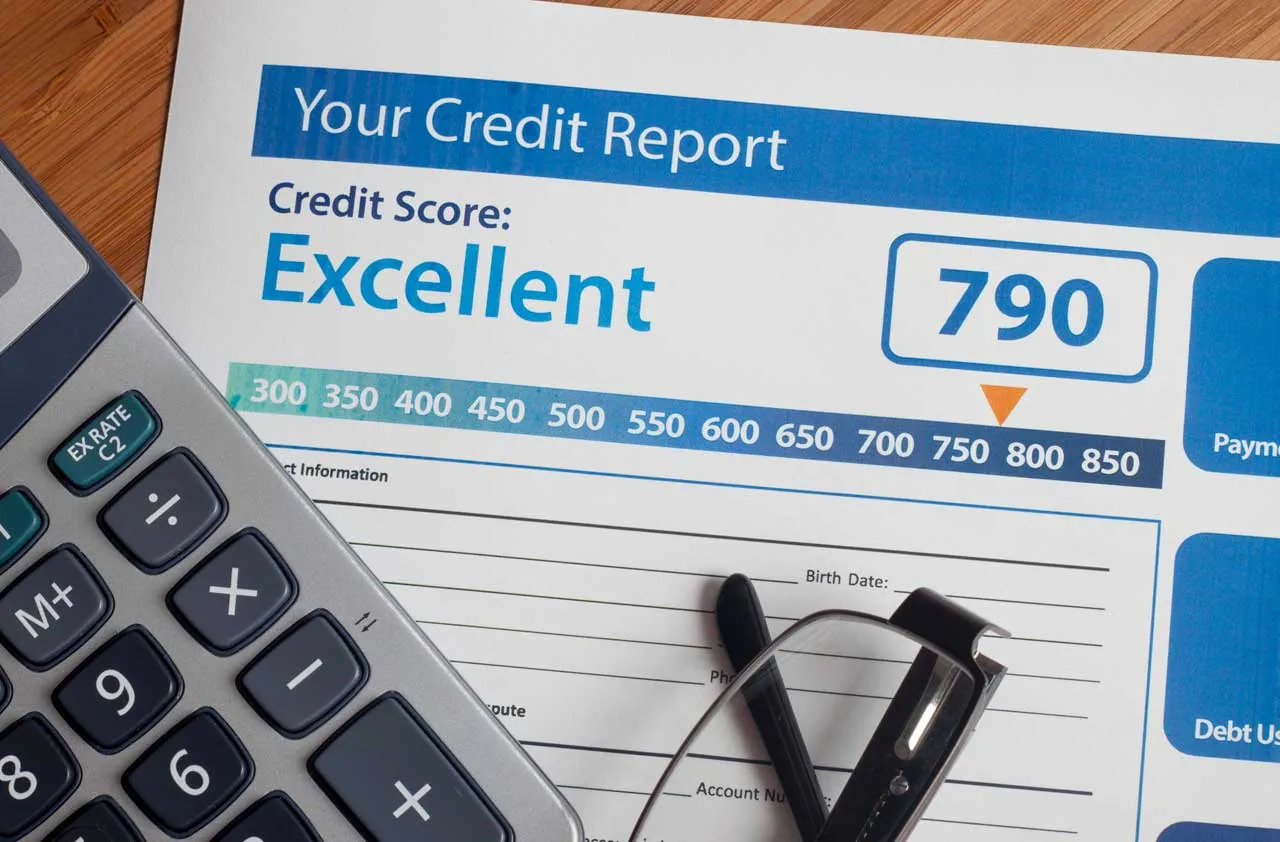
Most people try to be debt-free by the time they retire. As you start to draw down your savings, you may find you’re no longer using credit at all. Almost half of baby boomers say that they believe their credit score will be less important after age 70, according to a recent survey from credit reporting agency TransUnion.
But even if you don’t expect to borrow money, you have good reasons to maintain a strong credit profile. Here are some:
1. Helping the kids
You may want to help your children or grandchildren fund college or purchase a first home by co-signing a loan (just be aware that you’re on the hook if the primary borrower defaults).
From just $107.88 $24.99 for Kiplinger Personal Finance
Become a smarter, better informed investor. Subscribe from just $107.88 $24.99, plus get up to 4 Special Issues

Sign up for Kiplinger’s Free Newsletters
Profit and prosper with the best of expert advice on investing, taxes, retirement, personal finance and more - straight to your e-mail.
Profit and prosper with the best of expert advice - straight to your e-mail.
2. Downsizing
If you decide to downsize, good credit will help you snag a low mortgage interest rate or pass muster for a rental.
3. If the unthinkable happens...
Assisted-living facilities and nursing homes may consider your credit report and score to determine your eligibility to become a resident.
4. Getting the best credit cards
Healthy credit will maintain your ability to qualify for top credit cards (see The Best Rewards Credit Cards).
“One of the simplest ways to keep your credit alive and well is to have some cards and use them sparingly,” says Adam Levin, chairman and cofounder of Credit.com and Identity Theft 911. You could charge, say, groceries and gas to ensure that your cards remain active and pay off the balances monthly to avoid interest.
If you’d like to trim a large collection of cards, close those with annual fees or the lowest credit limits, and hang on to those with the highest limits, says Ken Chaplin, senior vice president for TransUnion. That will help keep the balance on your cards relative to their limits (called credit utilization) low. And keep the cards you’ve had the longest to show lenders a history of responsible spending.
