Reverse Mortgages for New Home Buyers
Buy a new home in retirement without a mortgage payment.
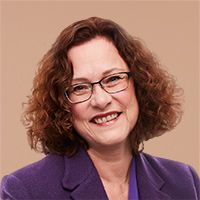
Chuck Rooney, 75, and his wife, Ellen, 71, originally set out to refinance the mortgage on their home in Decatur, Ga. But after talking with a reverse-mortgage adviser at Security 1 Lending, the couple discovered that if they took a home-equity conversion mortgage (HECM) for purchase, a type of reverse mortgage, they could downsize from their 3,600-square-foot house and buy a new home closer to family without worrying about mortgage payments.
With a traditional reverse mortgage, anyone 62 or older can tap home equity for income. An HECM for purchase is another type of reverse mortgage that helps you buy a new home. The new home must be your primary residence, but if you have the cash to make a down payment equal to about half of the home's price, you can use the proceeds from the reverse mortgage for the rest. And you can wait to sell your old home -- or not sell it at all.
The Rooneys bought a 2,600-square-foot, single-story home with a golf-course view in Newnan, Ga. -- minutes from the grandkids -- for $235,000 in February 2014. They closed the deal with $119,000 (including closing costs) of their own money, which they withdrew from an IRA, and about $122,000 from the reverse mortgage. Because they repaid the IRA money within 60 days from the $387,500 sale price of their former home, they avoided a tax bill.
From just $107.88 $24.99 for Kiplinger Personal Finance
Become a smarter, better informed investor. Subscribe from just $107.88 $24.99, plus get up to 4 Special Issues

Sign up for Kiplinger’s Free Newsletters
Profit and prosper with the best of expert advice on investing, taxes, retirement, personal finance and more - straight to your e-mail.
Profit and prosper with the best of expert advice - straight to your e-mail.

How much can you get? Lenders will determine the maximum payout, or principal limit, for which you'll qualify based on the price of your new home (the lesser of the purchase price or appraised value, up to $625,500), the ages of you and your spouse, and the interest rate on the loan. (To get an estimate of your principal limit and costs, use the reverse-mortgage calculator at www.mtgprofessor.com.) Your new home must be your primary residence at least 183 days a year.
With current interest rates, the HECM for purchase will pay for roughly half of the purchase price of the home for a 62-year-old, says Shelley Giordano, of Security 1 Lending. The older the homeowner and the lower the interest rate (to a point), the more you can get. You must cover the remainder from your own funds.
If you take the maximum payout as a lump sum, you'll incur a fixed rate of interest, which ranged from 4.75% to 5.25% in late September. Or you could reserve part of your payout as a line of credit with a variable rate that was recently 2.5% to 3%. The interest tab accrues over the life of the loan, as does an annual mortgage insurance premium (1.25% of the outstanding loan balance) and any servicing fees. All are payable when the loan comes due.
At closing, you must pay the lender's origination fee and closing costs, as well as an upfront mortgage insurance premium equal to 2.5% of the home's purchase price. (If you take less than 60% of the maximum payout, the insurance premium falls to 0.5%.) You can roll those costs into the loan. You're still responsible for hazard-insurance premiums and property taxes.
When the second spouse moves, dies or sells the home, the loan must be repaid -- either the mortgage balance (including accrued charges) or 95% of the current appraised value of the property, whichever is less. Options include selling the home to pay the debt, covering it out of pocket or simply handing the keys over to the lender.
Before you can shop for the best rate and costs, you must be counseled about the program (visit www.hud.gov and search for "Find an HECM Housing Counselor"). To find lenders by state, visit www.reversemortgage.org.
