Did You Max Out Your 401(k)? Congratulations: Here's How Saving So Well Could Backfire
What looked like smart tax planning at the time could quietly become a problem. And not just for you — your kids could inherit a big tax bomb. Here's how to head off potential disaster.

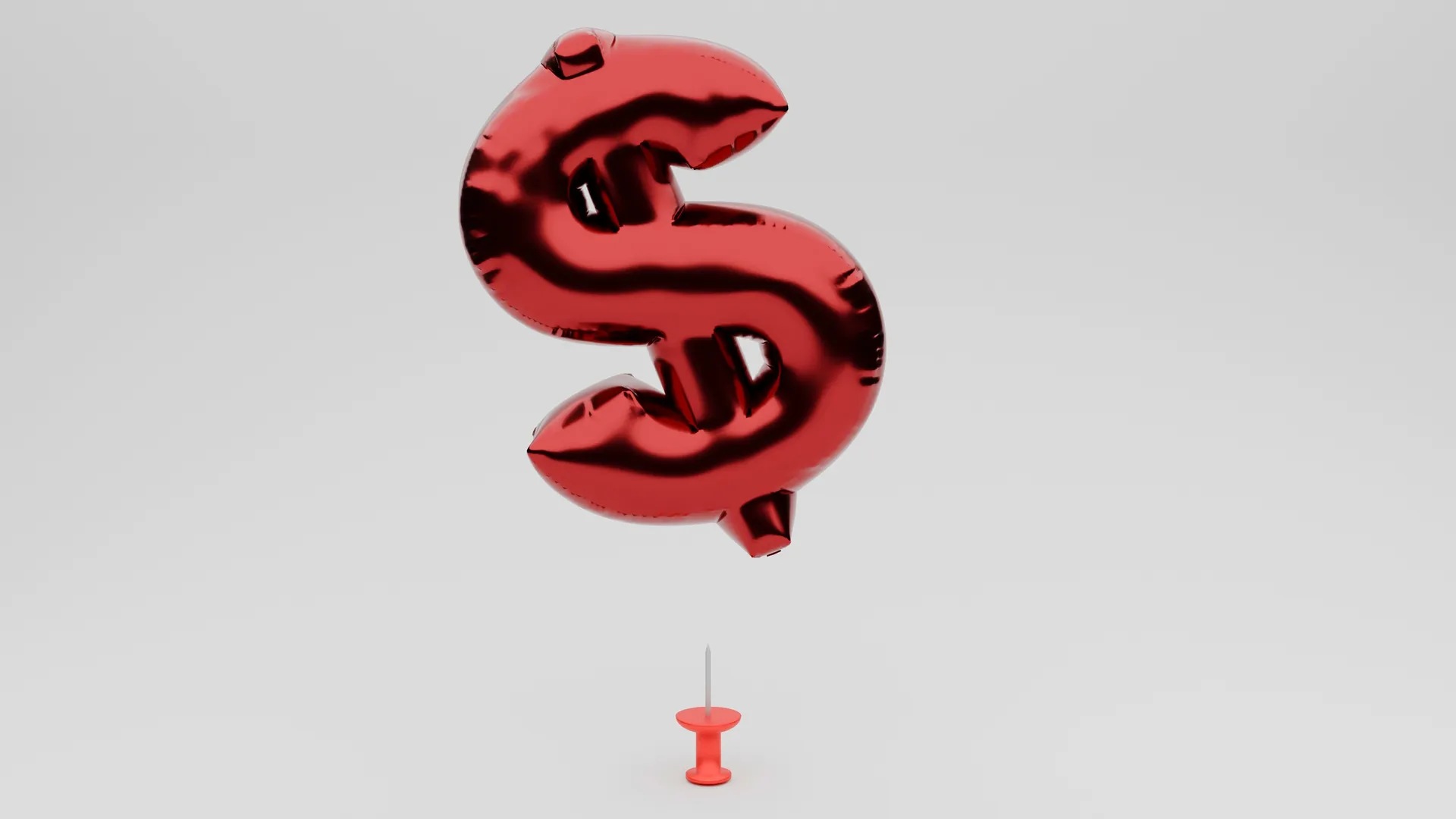
For years, the message has been simple: Max out your 401(k), take the tax deduction, and let it grow.
To be fair, that advice has helped a lot of people build meaningful retirement savings.
But for many higher-income, consistent savers — especially those now sitting on large IRA or 401(k) balances — that same strategy is starting to show a different side, not during the working years, but later, when they use money … or they're forced to withdraw it.
From just $107.88 $24.99 for Kiplinger Personal Finance
Become a smarter, better informed investor. Subscribe from just $107.88 $24.99, plus get up to 4 Special Issues

Sign up for Kiplinger’s Free Newsletters
Profit and prosper with the best of expert advice on investing, taxes, retirement, personal finance and more - straight to your e-mail.
Profit and prosper with the best of expert advice - straight to your e-mail.
What looked like smart tax planning along the way can quietly turn into a tax problem on the back end.
When big balances become a different kind of asset
By the time many people reach their 60s or early 70s, their largest pool of money isn't in a brokerage account or even real estate — it's in pretax retirement accounts.
On paper, that feels like a win.
But unlike a taxable account, where gains might be taxed at favorable capital gains rates, every dollar in a traditional IRA or 401(k) is eventually taxed as ordinary income. There's no step-up in basis, no preferential treatment.
While the balance might read $1 million, $2 million or $5 million, that's not really the amount you "own" in the same way you would in a taxable account. A portion of it — sometimes a significant portion — belongs to the IRS.
If you don't need the money for spending, the situation can get more complicated, not less.
The RMD issue — even if you don't need the income
One of the biggest surprises for many retirees is how required minimum distributions (RMDs) actually play out.
Starting in your early 70s, the government requires you to begin pulling money out of those accounts. It doesn't matter whether you need the income or not.
For someone with a modest balance, this might not be a big deal.
But for someone with a large IRA — those required withdrawals can be substantial — and every dollar is taxable.
We've seen situations in which retirees are forced to take income they don't need, only to find themselves:
- Bumped into a higher tax bracket
- Paying more tax on Social Security
- Crossing thresholds that increase Medicare premiums
It's an odd outcome: After years of careful saving, they're now managing around a tax problem they didn't expect.
The part most people miss: What happens to the kids
For a long time, there was at least a partial workaround. If you didn't use all your IRA, your children could inherit it and stretch the distributions over their lifetimes.
That changed with the SECURE Act.
Today, in most cases, non-spouse beneficiaries have to empty an inherited IRA within 10 years.
That sounds simple enough, but the tax impact can be significant — especially depending on when those withdrawals happen.
Picture a scenario in which a couple leaves a $2 million IRA to two adult children. Each inherits $1 million. Those children are likely in their peak earning years, already in relatively high tax brackets.
Now they must layer in distributions from that inherited IRA over a 10-year window. However they time it, those withdrawals are taxed as ordinary income.
Not capital gains, not at a reduced rate — it's just straight income, on top of everything else they're earning.
In many cases, a meaningful portion of that inheritance goes to taxes in a relatively short period of time.
The irony: You might not even need the account
What makes this more frustrating is that the issue tends to show up most clearly for people who saved well and lived within their means.
A lot of higher-net-worth retirees don't rely heavily on their IRAs for their lifestyles. They might have other assets, or don't spend at a level that requires tapping those accounts aggressively.
But the structure of pretax accounts doesn't really allow you to ignore them. Between RMDs during your lifetime and the 10-year rule after death, those dollars are going to be taxed one way or another.
What many people thought of as a long-term asset often behaves more like a delayed tax liability.
A better way to think about it
This isn't about saying 401(k)s were a mistake. They've been incredibly effective accumulation tools.
The issue is concentration.
Just as you wouldn't want all your investments in one stock, having the majority of your wealth tied up in one tax category can create limitations later on.
More planning today is focused on building a mix across different "tax buckets":
- Pretax (traditional IRAs and 401(k)s)
- After-tax / tax-free (Roth accounts)
- Taxable accounts
That mix gives you options. In retirement, options matter.
Being able to choose where income comes from — rather than being forced into one source — can make a noticeable difference in how much you pay over time.
The window to fix it
The good news is this is something that can be managed, particularly in the years leading up to RMDs.
That might involve gradually shifting some assets into Roth accounts, being more intentional about withdrawals earlier in retirement, simply coordinating income more carefully year to year or insuring the tax liability to an extent.
"Max out your 401(k)" is still good advice. It's just not complete advice — at least not for everyone.
For those with larger balances, especially those who might not need the funds, the conversation needs to shift from just saving to how those savings will eventually be taxed.
At the end of the day, it's not just about how much you've built.
It's about how much of it stays in your family or flows in accordance with your wishes.
Related Content
- I'm a Financial Planner: This Is How the Tax Torpedo Targets Wealthy Retirees (and How You Can Step Out of Its Path)
- Will Taxes Shred Your 401(k) or IRA During Your Retirement? It's Very Likely
- Is Your Retirement Plan Built for 2026 — or Stuck in 2006?
- Three Essential Strategies for Managing Your Inheritance
- 3 Mistakes Business Owners Can't Afford to Make When Planning Their Exit Strategy