Would You Rather Retire in Naples, FL, or Palm Springs, CA?
Coastal tradition or desert cool? We break down the real cost — and culture — of retiring in two of America’s most iconic zip codes.

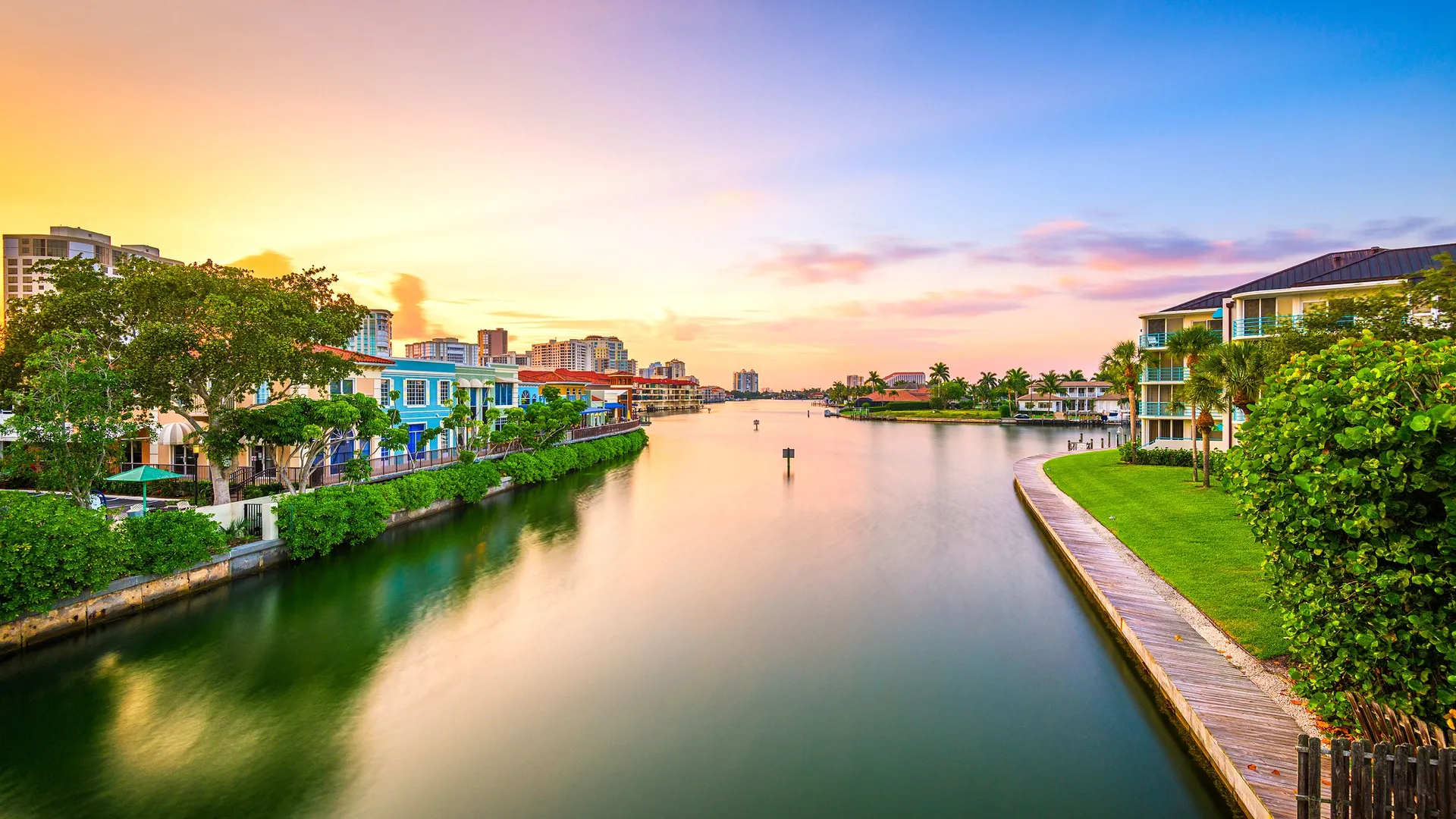
Let's play a little "would you rather," retirement edition.
Would you rather retire somewhere warm or somewhere warm? Somewhere you can get a tee time, or somewhere you can also get a tee time? Somewhere popular among retirees or… you get the idea.
The playground version of "would you rather" pits opposites against each other: hot or cold, sweet or sour. But one of the biggest decisions of your life — where to retire — often comes down to two places that, on paper, both sound good. According to the moving-services platform HireAHelper, more than 2 million people aged 65 and older were essentially playing this game in 2025.
From just $107.88 $24.99 for Kiplinger Personal Finance
Become a smarter, better informed investor. Subscribe from just $107.88 $24.99, plus get up to 4 Special Issues

Sign up for Kiplinger’s Free Newsletters
Profit and prosper with the best of expert advice on investing, taxes, retirement, personal finance and more - straight to your e-mail.
Profit and prosper with the best of expert advice - straight to your e-mail.
Take Naples, Florida, and Palm Springs, California. Both are sun-soaked, golf-mad, upscale havens that have been drawing retirees for decades.
Look closer, though — at the taxes, the risks, the culture, the whole character of each place — and the similarities fall away fast. Get past the sunshine, and one of them is probably a much better fit for your next chapter than the other. Here's how they stack up.
What to know about retiring in Naples, Florida

When you picture the Sunshine State, you probably think sandy beige and ocean blue. In Naples, the defining color might be fairway green. It's the self-titled "Golf Capital of the World," with the second-most golf holes per capita of any U.S. city.
So, head in any direction, and you’ll likely run into a golf course or a millionaire, since Naples also has one of the highest concentrations of them per capita in the country.
The price of this side of paradise
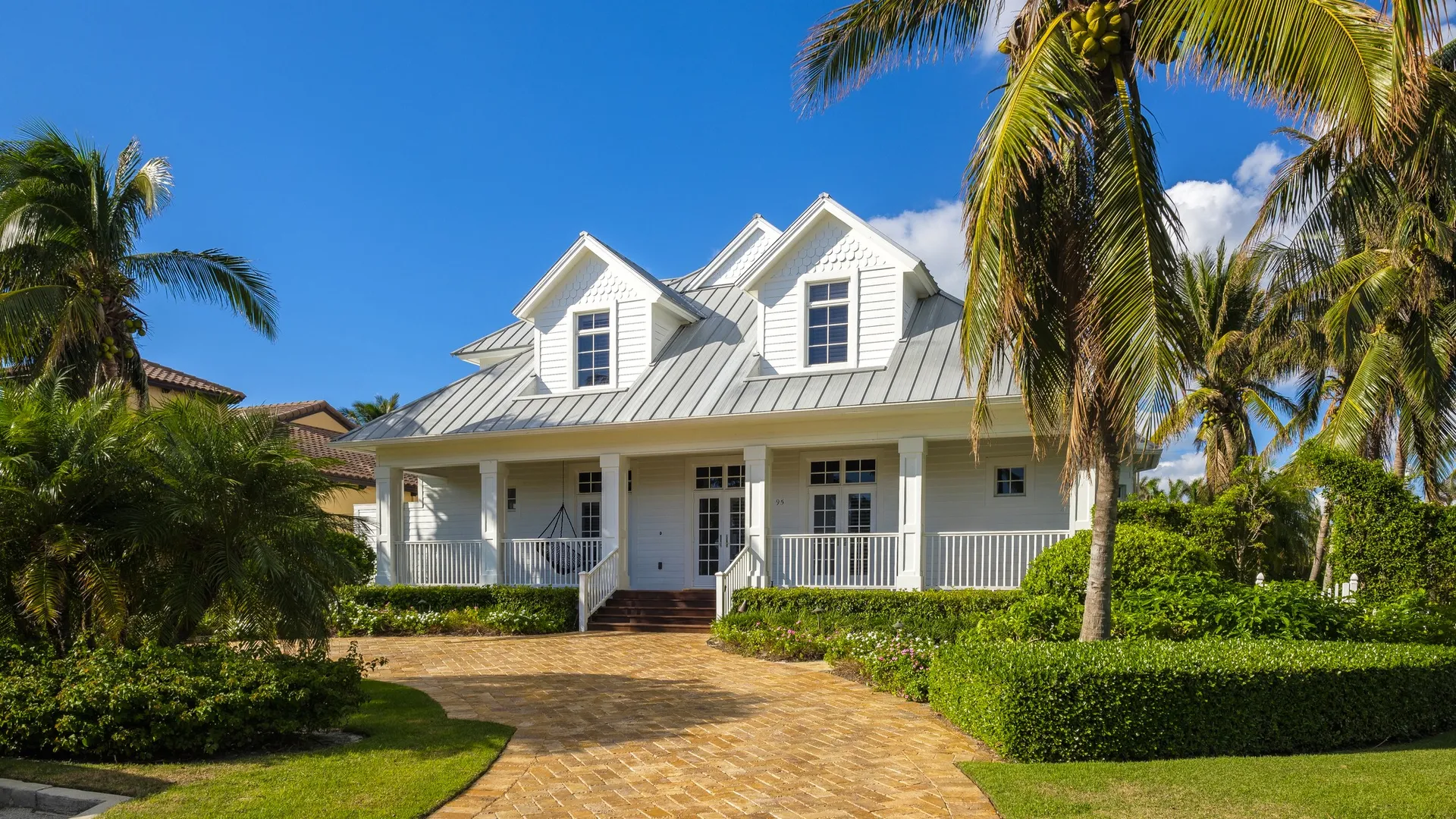
Cost of living matters at any age, but especially in retirement when living on a fixed income. It's usually dominated by one thing: housing. Naples is a case in point. Overall, the Economic Research Institute pegs the city's cost of living at about 29% above the national average, but everyday expenses — groceries, utilities, gas — actually run close to or just below the national norm.
The median home sale price is around $1.2 million, according to Redfin, with rents typically $2,000 to $2,500 a month. Set against a median household income near $153,000, it's a market that rewards those who arrive with equity already in hand.
What the taxman takes
Here's where Naples really shines. If you love the word 'no' and hate taxes, this is the place for you because Florida is about as tax-friendly as retirement gets. No state income tax. No tax on Social Security, pensions or 401(k)/IRA withdrawals. No estate or inheritance tax. For a retiree drawing down a pension and retirement accounts, that can mean keeping thousands of dollars a year that other states would claim.
Still, as nice as it is to worry less about taxes, it’s rarely the sole reason people choose Florida. "Clients do not move to Naples just to save on taxes," says Patrick Huey, a CFP® and founder of Victory Independent Planning in Naples. "They move because they want to enjoy the lifestyle, and then we test whether the numbers support that decision."
When you need a doctor
Retirement and healthcare go hand in hand, and Naples delivers. NCH (Naples Comprehensive Health) has been named one of Healthgrades' America's 50 Best Hospitals — the top 1% nationally — and is a Mayo Clinic Care Network member. It is also the region's only Joint Commission-accredited Comprehensive Stroke Center.
Sunshine… with an asterisk or two

Naples is known for warm, sunny days averaging around 83°F. But you can have too much of a good thing. The area logged 53 days with a heat index of 105°F or higher in 2023.
And there's a bigger asterisk. Hurricane season runs June through November, and Naples' low coastal elevation leaves it exposed to storm surge and flooding (Hurricane Ian hit in 2022; Helene and Milton followed in 2024). Redfin flags nearly all Naples properties as facing severe flood and wind risk over the next 30 years. That risk shows up on the bill. Home insurance averages around $9,660 a year for $300,000 in coverage, with flood insurance a separate policy on top.
Huey points to the ongoing cost of property and casualty coverage as the real planning issue in coastal Florida. "For many retirees, the question is no longer simply, 'Can I afford to buy here?' It is, 'Can I comfortably carry this house for the next 20 or 30 years when insurance, maintenance, and association costs are layered on top?'" he says.
His firm has even rewritten a client's retirement plan so they could move out of a floodplain and cut decades of insurance costs. As he puts it, insurance "is what increasingly determines whether the plan will help them sleep at night."
The Naples vibe check

AARP gives Naples an overall Livability Index score of 55 — solid, though dragged down by a low "opportunity" score (fitting for a place more about winding down than climbing up). With a median age of 67.3, this is unmistakably an older community, and a very safe one, with violent crime well below the national average.
It's also politically conservative and roughly 89% white. The lifestyle is upscale and traditional: white-sand Gulf beaches, luxury shopping along Fifth Avenue South and Third Street South, fine dining, and culture at Artis–Naples and The Baker Museum.
"People choose to retire here because they are buying a lifestyle as much as a tax profile," Huey says. "Warm winters, access to the water, strong golf and social communities, and the feeling of being in a place built around retirement all matter a great deal."
What to know about retiring in Palm Springs, Califonia

Tucked into the Sonoran Desert two hours east of Los Angeles, Palm Springs made its name on hot springs, stylish hotels, golf and spas. It’s a glamorous throwback to the era of Frank Sinatra, Marilyn Monroe and mid-century Hollywood. It's been a retiree magnet since the 1970s, drawing people who want an active, artful, unapologetically freer version of retirement.
The price of this side of paradise

Like Naples, Palm Springs isn't cheap. The Economic Research Institute puts its cost of living at about 29% above the national average too, essentially neck-and-neck with Naples. The difference is what it costs to get in the door. The median home sale price is around $590,000, per Redfin — roughly half of Naples' — with rents running roughly $1,480 to $1,970 a month. Median household income sits at about $73,119, notably lower than Naples, reflecting a broader mix of residents.
What the taxman takes
If Naples is the taxman's friend, Palm Springs is where he collects. California is among the least tax-friendly states for retirees with heavy pension and 401(k) income. Social Security is exempt, but pensions and IRA/401(k) withdrawals are taxed as ordinary income at rates from 1% up to 13.3% — the highest top rate in the nation — with most retirees landing near a 9.3% marginal rate.
The one bright spot for legacy-minded retirees: like Florida, California levies no estate or inheritance tax.
"The biggest drawback is California's income tax,” says Joon Um, a CFP® and advisor at Secure Tax & Accounting in Beverly Hills. But he points out that "most retirees are nowhere near the 13.3% top rate" (for state tax).
Um says retirees can manage the bite through "Roth conversions, managing withdrawals before RMDs, and using a mix of taxable, IRA, and Roth accounts to better control taxable income."
Even so, he adds, the tax hit often isn't the deciding factor: "Many retirees accept the higher taxes for California's weather, lifestyle, family and healthcare. Taxes matter, but lifestyle often matters just as much."
When you need a doctor
If the hot springs can't cure what ails you, the medical care can. Desert Regional Medical Center sits right in the city, a Level II trauma center, graded "B" for safety by Leapfrog. And a short drive away in Rancho Mirage, Eisenhower Health earned Leapfrog's top "A" grade for 10 straight cycles and ranks as the #1 hospital in the Riverside County–San Bernardino metro by U.S. News.
Sunshine … with an asterisk or three
This is the desert, so sunshine is the whole point. The area boasts about 300 days of it a year and less than five inches of rain. Winters are glorious, with highs in the 60s and 70s. Summers are the catch, with triple digits for months on end, frequently topping 108°F.
The other asterisks are geological and environmental. The San Andreas Fault runs through the region (earthquake coverage is a separate policy through the California Earthquake Authority), and the area faces extreme drought plus some wildfire and flash-flood risk. The state's broader insurance market is under strain, but Palm Springs proper is less exposed than California's fire country.
The Palm Springs vibe check

AARP scores Palm Springs a 49 on its Livability Index. The environment is its weak spot, a common knock on Southern California, thanks to air pollution. With a median age of about 57, it skews a touch younger than Naples, and the vibe follows.
This is active, sociable retirement. Palm Springs is also one of the most prominent LGBTQ communities in America, with among the highest concentrations of same-sex couples of any U.S. city, and that openness shapes its whole character. It's a mid-century-modern design mecca (Modernism Week is a marquee event), with a lively arts scene (the Palm Springs Art Museum, galleries, a film festival), golf and serious outdoor recreation, from hiking the Indian Canyons to riding the Aerial Tramway up Mt. San Jacinto.
While crime is slightly higher here than in Naples, it’s generally property crime, the bane of resort towns.
So, would you rather?

A 1970s pool party in Palm Springs captures the town's modernist spirit, while the fountain and brightly painted buildings typify Naples' downtown.
The choice isn't really about weather or golf since both cities have those in spades. Naples rewards you at tax time and with a genteel, traditional feel, if you can clear the higher cost of buying a home and stomach hurricane season. Palm Springs asks more of you at tax time and costs less to enter, trading hurricanes for heat and earthquakes while giving you a livelier, more diverse, more design-forward scene.
The right answer comes down to your priorities, your budget, and perhaps your politics just as much as your postcard. But if choosing between two sun-drenched havens is your biggest retirement dilemma, that's a pretty good problem to have.
Read More on Where to Retire