A Retirement Lesson From 'The Pitt'
If "The Pitt’s" chief attending has you rethinking the daily grind, it might be time to plan a strategic career pause — before you call it quits for good.

When you work in an intense field like medicine, your job might eventually take a toll on your mental health. In 2025, 49.8% of emergency medical practitioners reported at least one symptom of burnout, according to the American Medical Association. And persistent burnout could set the stage for an early retirement, which may be good for your outlook but less good for your finances.
There may, however, be a better way — a sabbatical.
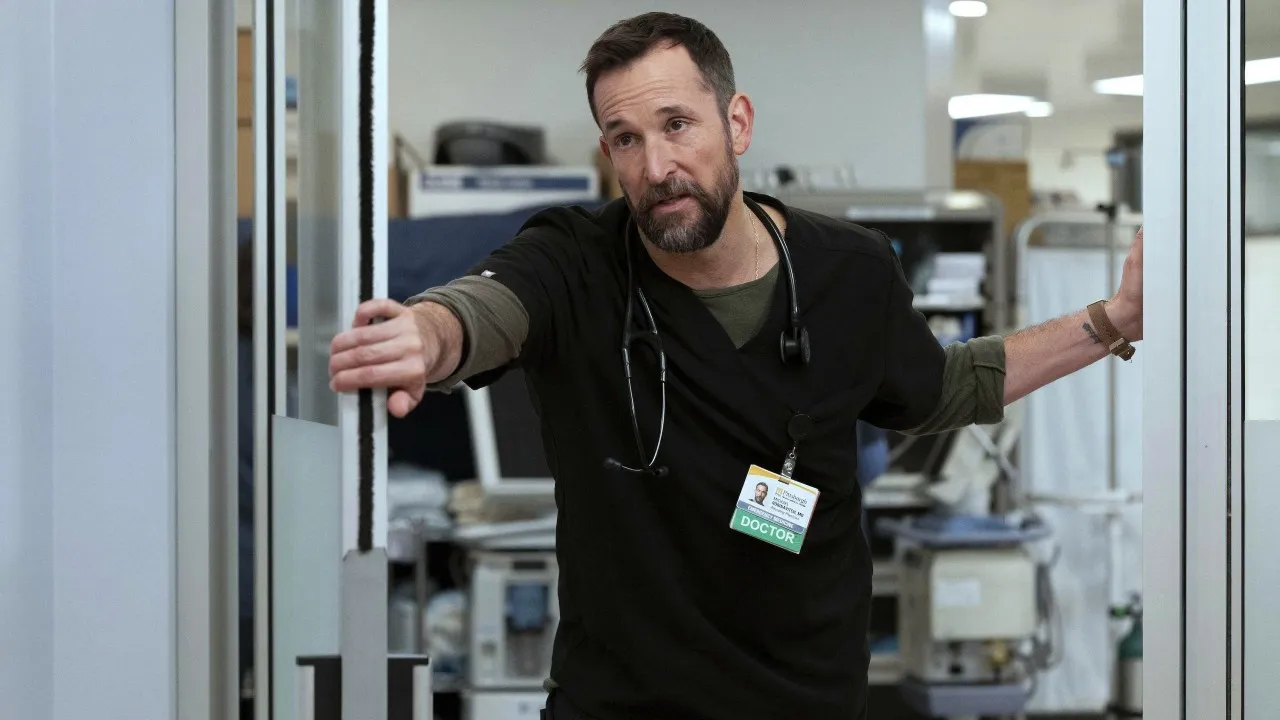
If you tuned into the Emmy-winning medical drama The Pitt last season, you know that the storyline revolved around Dr. Michael "Robby" Robinavitch's planned sabbatical. Robby, the show's main character, had planned a three-month motorcycle trip to escape the grind and trauma of the emergency department, where he works as an attending physician.
From just $107.88 $24.99 for Kiplinger Personal Finance
Become a smarter, better informed investor. Subscribe from just $107.88 $24.99, plus get up to 4 Special Issues

Sign up for Kiplinger’s Free Newsletters
Profit and prosper with the best of expert advice on investing, taxes, retirement, personal finance and more - straight to your e-mail.
Profit and prosper with the best of expert advice - straight to your e-mail.
"I've seen so many people die that I feel like it's leaching something from my soul. I'm tired of all of it." — Dr. "Robby" Robinavitch, The Pitt
Of course, as viewers, we don't actually get to see Robby embark on his epic escape. But he may have the right idea.
If you're in a high-pressure job, whether it's medicine, finance, law, or something else, you may reach a point when you feel the need to call it quits professionally. But it pays to explore a sabbatical as a potential alternative to early retirement before you bring your career to a permanent close.
Sometimes, you need a serious reset
Part of the reason so many people in high-pressure jobs succumb to burnout is that they don't allow themselves opportunities to reset. A sabbatical could make that possible.
Michelle Seijas, Ed.D. is an executive and leadership coach who understands the importance of getting that reset.
"I took a six-month sabbatical in 2017 after burning out as a high school principal," she says. "I aspired to be a superintendent and realized that continuing on that path was not sustainable. My sabbatical allowed me to rest, reflect, and re-emerge with a new plan for my life and career."
As Seijas explains, a sabbatical isn't just a break.
"It's a reset of your nervous system," she says. "The leaders I work with aren't just tired. They've lost the thread between who they are and what they do every day. Time away, when used intentionally, gives them the space to rediscover that thread before they make an irreversible decision."
Lisa Chen, LMFT and founder of Lisa Chen & Associates Therapy, says, "A sabbatical is something I highly recommend for burned-out professionals who are psychologically depleted. This time off allows their nervous systems to move out of fight or flight mode into a place where they can reconnect with themselves."
A major misconception about burnout, Chen explains, is that people just need a vacation and everything will be fine.
"I see burnout as functioning in a prolonged state of nervous system overdrive, so a weekend off won't be enough to repair someone who's experiencing burnout," she explains.
Chen has seen her share of professionals contemplate early retirement due to burnout and stress. In those situations, she'll often try to steer them toward an extended break when appropriate.
"I'd much rather see my clients be intentional about their retirement, not to leave their profession out of impulse," she says.
Making plans for your sabbatical
Some people use sabbaticals to travel. Others use them to pursue creative projects or obtain licenses or credentials for a career shift.
Chen says it's a good idea to think about how to maximize a sabbatical before it begins. But, she says, you don't necessarily have to fixate on a single accomplishment or goal.
"I highly recommend those who are suffering from burnout to make their sabbaticals restorative and intentional," Chen explains. "It's not about what they accomplish during their time off… Time off is more about rest, introspection with or without therapy, learning how to regulate their nervous system, and reconnecting with meaning outside of work."
Consider it a retirement trial run you can learn from
Your burnout may be pushing you toward retirement. But Aaron Ulrich, Owner at Integra Financial Planning, LLC, says a sabbatical is a great way to find out whether you're truly emotionally ready.
"In financial planning conversations, I'll often ask clients, 'How do you feel at the end of a vacation?'" Ulrich says. "If you're the type of person who starts packing Thursday night for a vacation that ends Saturday because you need to get back to your routine, then we need to talk about what retirement is going to look like for you. Not from a financial view, but from an emotional one."
In Ulrich's mind, a sabbatical gives you an opportunity to see what life is like without a job as an anchor. It's insight that a vacation alone won't give you.
"You're not just planning a trip and the big, exciting parts of time away from your career," he says. "You're planning how you're going to satiate your mind and spirit with a new lifestyle that fulfills you. If you can't create that during a sabbatical, then the permanent sabbatical known as retirement may be a challenge."
Make sure you're prepared financially
While a sabbatical could serve as the reset you need to make the most of your final stretch in the workforce, it's important to make sure you can swing that time off financially.
"Planning for hobbies and travel is obvious, and easy to put a price tag on," Ulrich says. "Planning for the gaps between those things can be much more challenging."
To that end, it's important to map out your expenses for your sabbatical. That includes potentially having to pay more for health insurance. It also means you may need to pause contributions to retirement savings, so you'll need to see how that affects your long-term financial plan.
Didi Chen, CFP, CFA, financial planner, and founder at Everleap Financial Planning, worked in finance and tech for over 10 years before walking away from a six-figure career in 2024 for a planned sabbatical. And she says there are specific steps you can take to protect yourself financially while you're away from work.
"In many states, mental health conditions qualify for paid medical leave, which means your job stays protected and RSUs keep vesting. Talk to a doctor and plan this out," she says.
Those looking to pause corporate careers have distinct financial levers to pull. For those workers, Chen also recommends timing your temporary exit around your RSU vesting schedule, especially if you don't plan to return to your current job. Waiting a few months, for example, could help you kick off your sabbatical in a stronger place financially.
Finally, she says, not earning a paycheck for a while could set the stage for other savvy financial moves.
"Your sabbatical year is your best tax-planning window," Chen says. "A Roth conversion and tax gain harvesting at 0% capital gains are simply off the table at [higher incomes]."
All told, you don't want to spend your sabbatical stressing out about money if the point is to regroup mentally and figure out your next steps. With the right planning, you can spend that time focusing on you instead of worrying about paying the bills and how your time away will impact your financial goals.
Read More