10 Things You Should Not Keep in a Storage Unit
Storage units can solve space problems, but putting the wrong items inside can lead to damage, fines or safety risks.

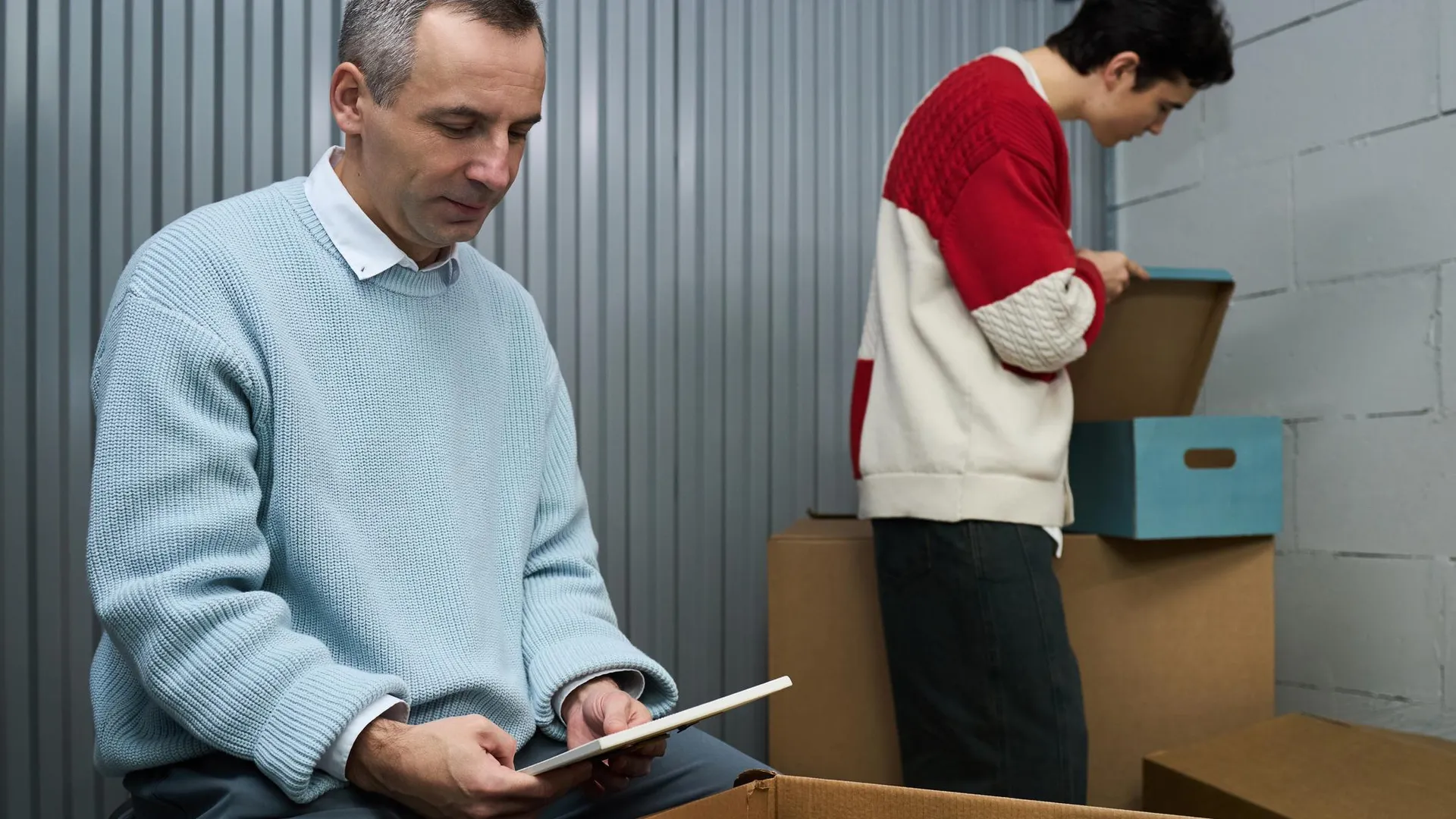
There’s a certain point every year when your home can feel as if it’s bursting at the seams. Holiday decorations are stacked in corners, patio furniture and cushions are coming back out for the season, and somehow the closets that just felt organized are full again.
That’s when a storage unit can feel like the perfect solution. It’s quick, convenient and creates extra space without forcing you to decide what to keep, donate or throw away. But storage isn’t as simple as packing things away and forgetting about them.
What you put in a storage unit still matters. Some items won’t hold up over time, especially in spaces without climate control. Others can attract pests, create safety hazards or even violate storage facility rules. Before you start boxing things up, it’s worth knowing what should stay out of storage altogether.
From just $107.88 $24.99 for Kiplinger Personal Finance
Become a smarter, better informed investor. Subscribe from just $107.88 $24.99, plus get up to 4 Special Issues

Sign up for Kiplinger’s Free Newsletters
Profit and prosper with the best of expert advice on investing, taxes, retirement, personal finance and more - straight to your e-mail.
Profit and prosper with the best of expert advice - straight to your e-mail.
Storage units feel like an easy fix for clutter
But not everything belongs in storage. Not every item you box up will come out in the same condition, or even be allowed in the first place. Storage facilities often have rules about what tenants can keep inside, and even items that aren't prohibited can deteriorate over time due to temperature swings, humidity, pests or neglect.
That means that what starts as a smart decluttering project can turn into an expensive mistake. Before you stash something away for months or years, it's worth considering whether it will survive storage.
When we asked readers of our A Step Ahead newsletter what they're keeping in storage, the answers ranged from quirky collectibles to treasured family keepsakes. Readers reported storing everything from beer can collections and rocket-launching tubes to antique spinning wheels, oversize stuffed animals and a baby doll buggy that has been in the family since 1945.
Those responses highlight an important reality: Storage units often become homes for the items we value most, whether they're collectibles, family heirlooms or pieces of personal history. That's why it's especially important to know which belongings are at risk of damage and which items might not belong in storage at all.
Here are 10 items that don't belong in storage and why keeping them there could cost you.

1. Perishable food and pantry items
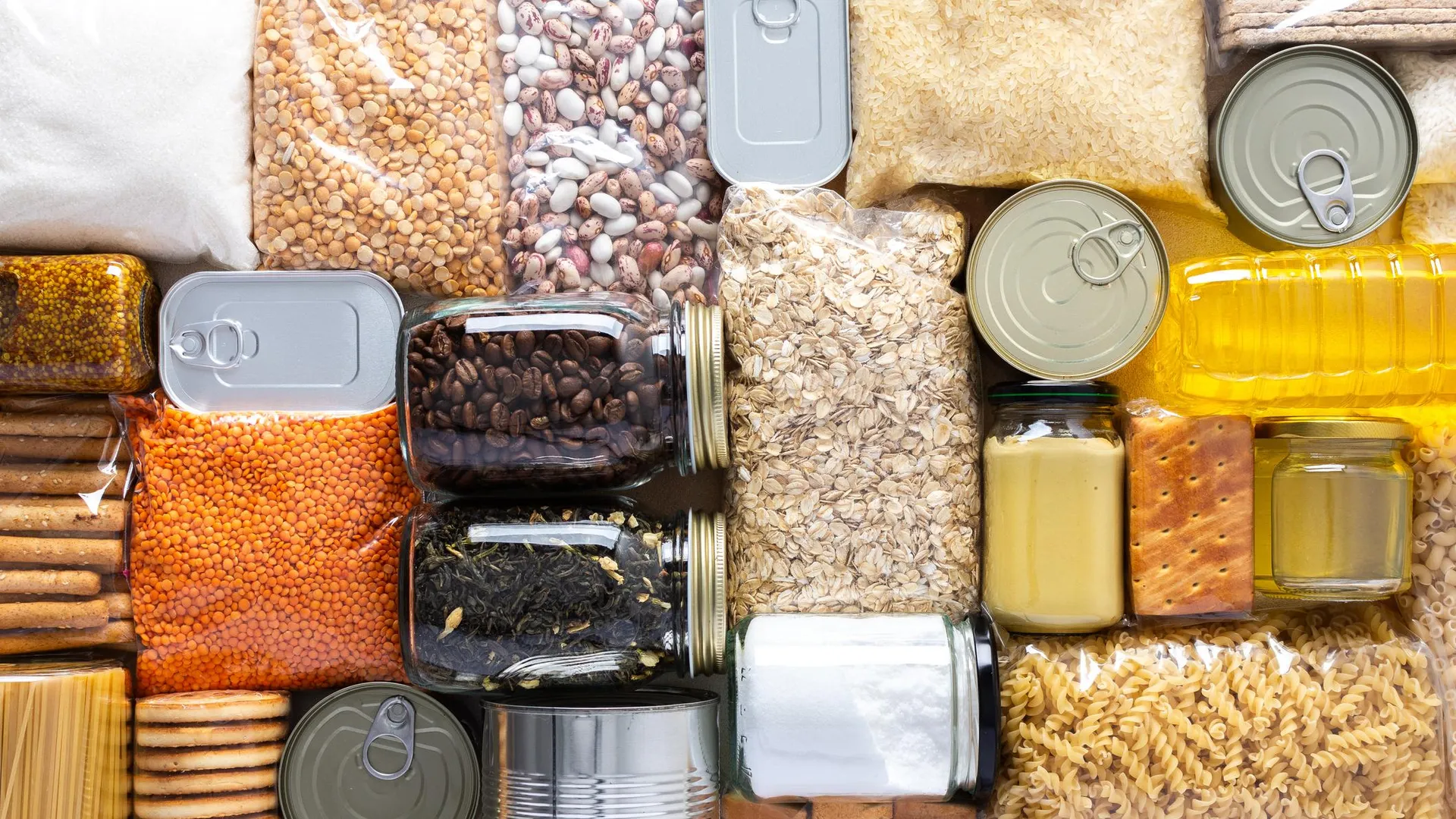
Food might seem harmless, but it's one of the quickest ways to create problems inside a storage unit. Pantry staples, pet food, even unopened snacks can attract rodents and insects. Once pests find a food source, they often spread beyond the food itself, damaging boxes, fabrics, furniture and other stored belongings.
Food can also spoil over time, creating unpleasant odors and increasing the risk of contamination, so many storage facilities prohibit food storage altogether.
2. Hazardous or flammable materials
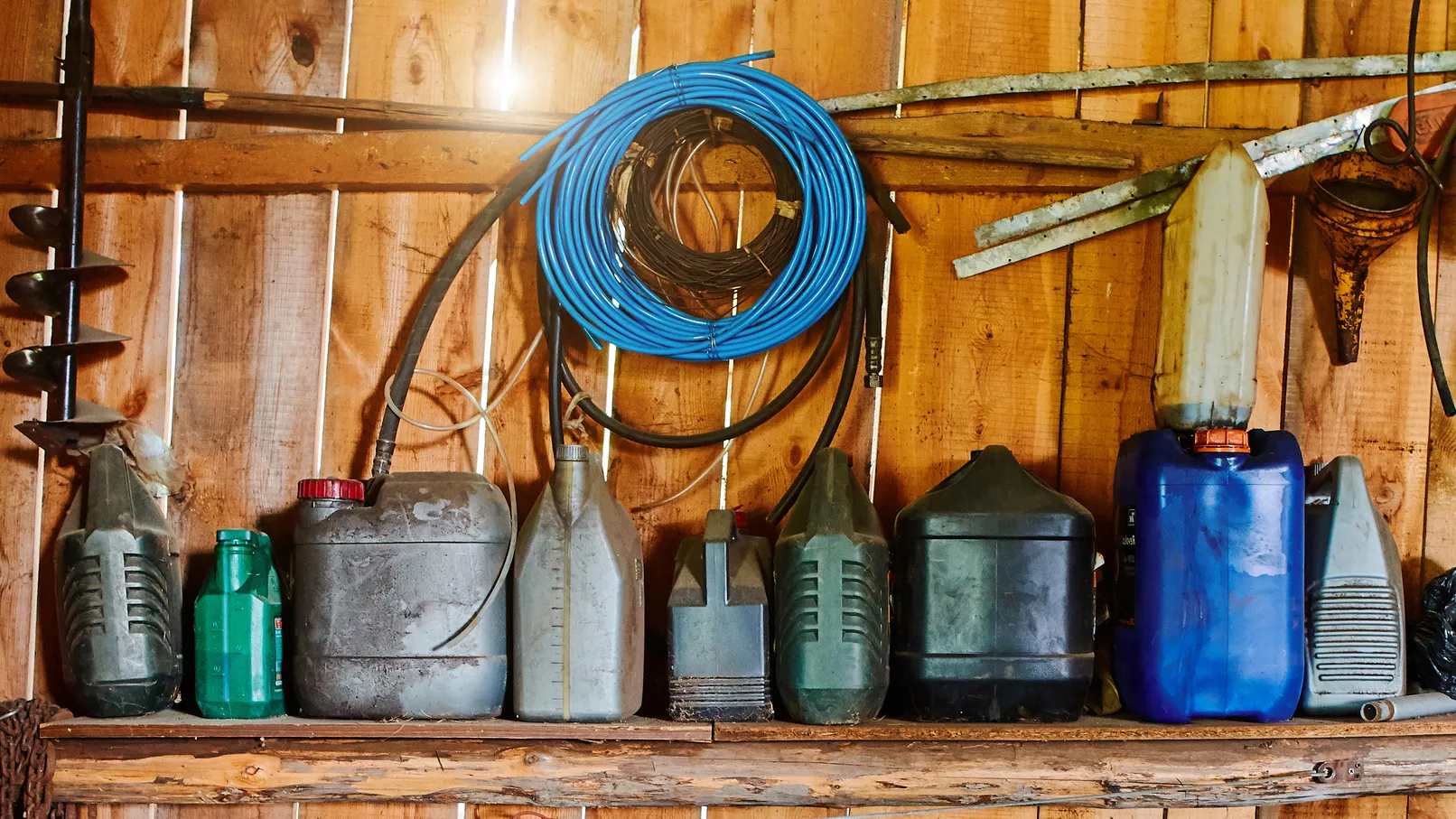
Items such as gasoline, propane tanks, paint, cleaning chemicals and fireworks are almost always prohibited in storage units, and for good reason. These materials can leak, ignite or create hazardous fumes, posing serious safety and fire risks.
Even if nothing goes wrong, storing prohibited materials could violate your rental agreement and lead to penalties or the loss of your unit. As a general rule, if an item is flammable, combustible or corrosive, it shouldn't be placed in a storage unit.
3. Important documents and sentimental items
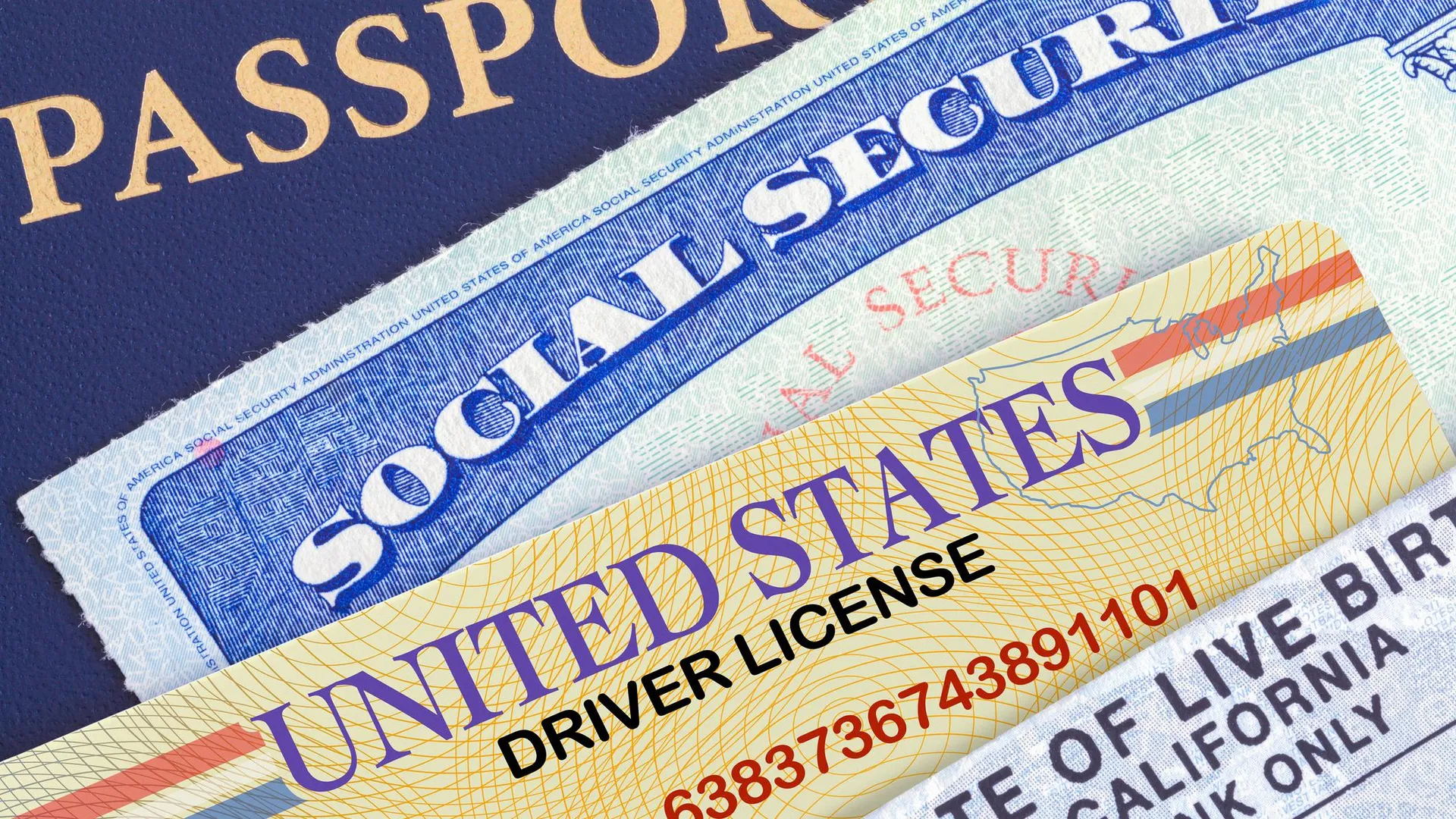
It's tempting to store paperwork or keepsakes you don't use often, but a storage unit isn't the best place for anything that's difficult or impossible to replace.
Birth certificates, Social Security cards, financial records and family heirlooms can all be damaged by moisture, fire or theft. Even well-maintained facilities can't eliminate those risks entirely.
For items with significant financial, legal or sentimental value, consider storing them in a fireproof safe at home or a bank safe-deposit box instead.
4. Electronics (without climate control)
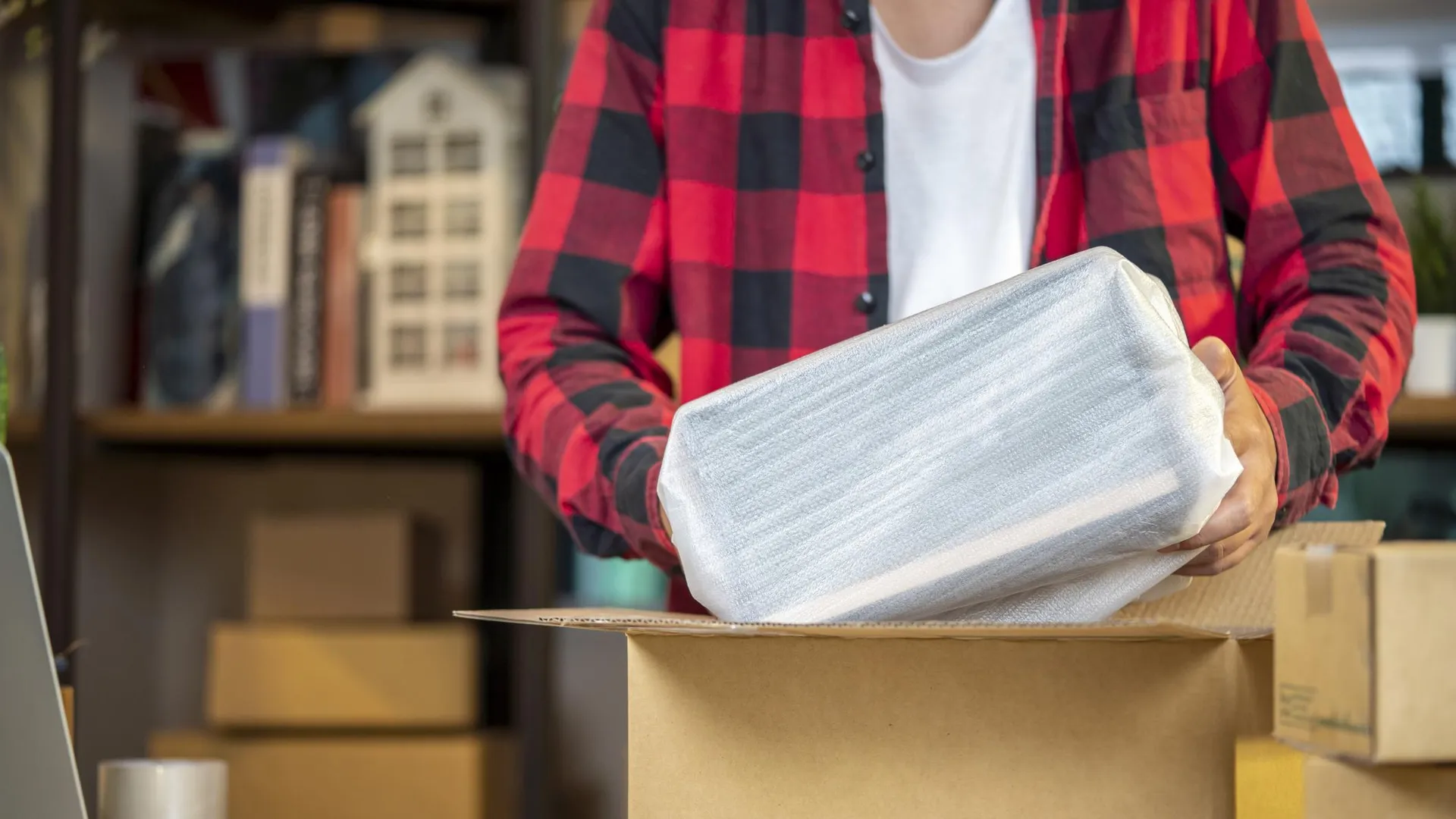
Electronics don't handle extreme temperatures or humidity well. Heat can warp internal components, while moisture can lead to condensation, corrosion and permanent damage. That old laptop, TV or gaming console you're trying to save for later might not work when you retrieve it, especially if it's been sitting in a non-climate-controlled unit for months or years.
If you need to store electronics, consider renting a climate-controlled unit. These units maintain a more consistent temperature and humidity level throughout the year, helping protect sensitive components from heat, cold and moisture.
It's also a good idea to pack electronics in their original boxes when possible or use sturdy containers with padding to protect them from dust, impact and shifting during storage. Before putting devices away, remove batteries, back up important data and cover equipment with breathable materials rather than plastic, which can trap moisture.
5. Clothing and fabrics
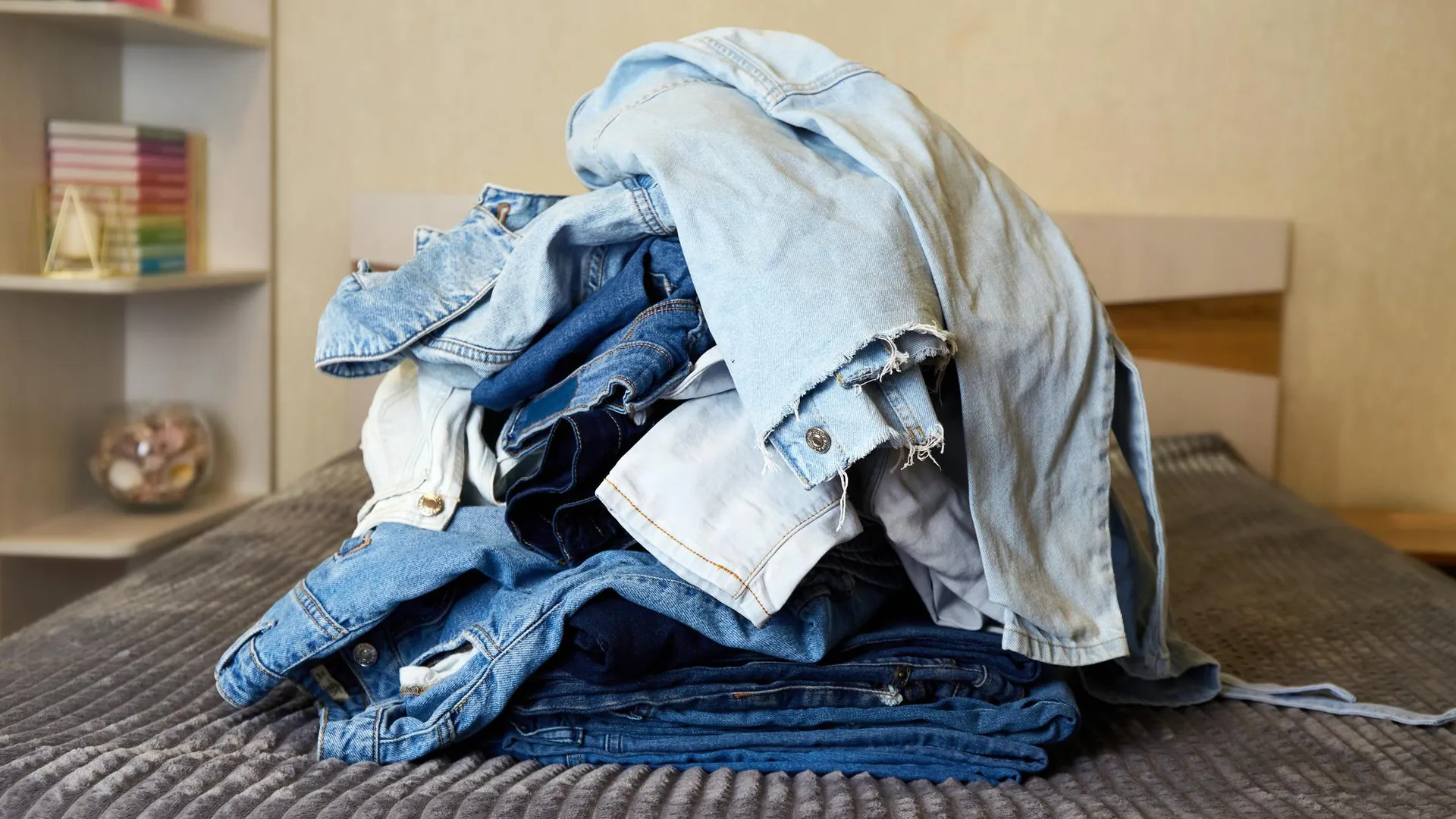
Clothing, linens and upholstered items can quickly fall victim to mold, mildew and pests when stored improperly. In humid conditions, fabrics absorb moisture and develop musty odors or visible mold growth. In drier environments, natural fibers can become brittle, while insects such as moths might damage clothing and textiles.
If you need to store fabrics, make sure everything is clean and completely dry before packing it away. Use breathable garment bags for clothing, acid-free boxes for delicate textiles and sturdy plastic bins with tight-fitting lids for items that need extra protection from pests.
For valuable garments, consider using a wardrobe box that allows clothing to remain hanging and wrinkle-free. Climate-controlled storage can also help protect fabrics from temperature and humidity fluctuations.
Without proper preparation, the clothes, linens and upholstered items you store today might not be in usable condition when you retrieve them months or years later.
Pro tip: Avoid storing clothing in cardboard boxes for long periods, as they can absorb moisture and attract insects.
6. Wine and alcohol
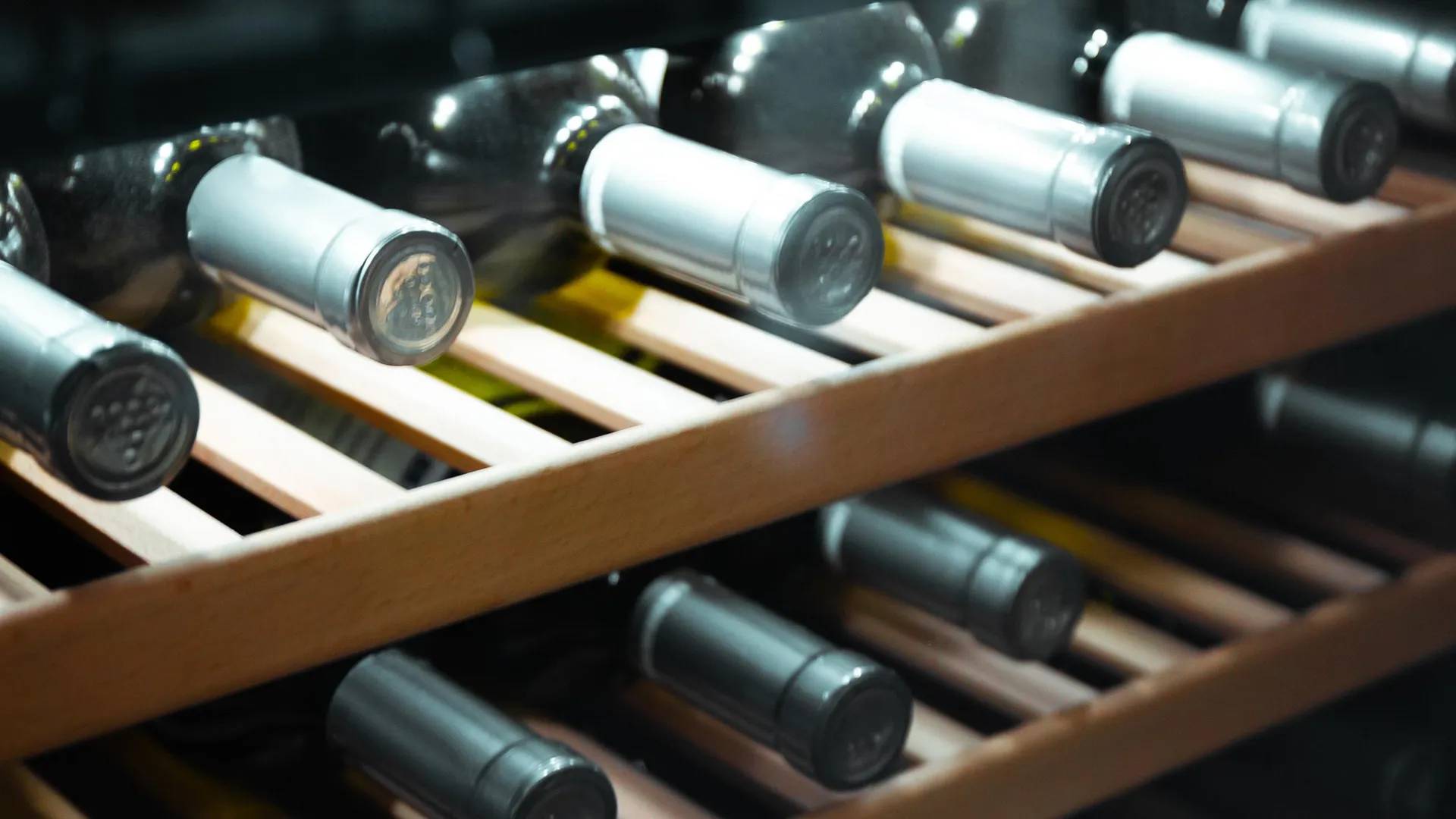
Wine is particularly sensitive to temperature fluctuations and prolonged exposure to heat. When stored improperly, corks can dry out and shrink, allowing air to enter the bottle and spoil the wine. Excessive heat can accelerate the aging process, alter flavors and, in some cases, permanently damage the contents. Even short periods of exposure to extreme temperatures can affect quality.
If you have a wine collection, consider storing it in a wine refrigerator or another temperature-controlled environment designed for long-term preservation. Ideally, wine should be kept at a consistent temperature with moderate humidity and minimal exposure to light or vibration.
While some storage facilities offer climate-controlled units or specialized wine storage options, a standard storage unit is rarely the best choice for protecting a valuable collection.
7. Tires and unregistered vehicles
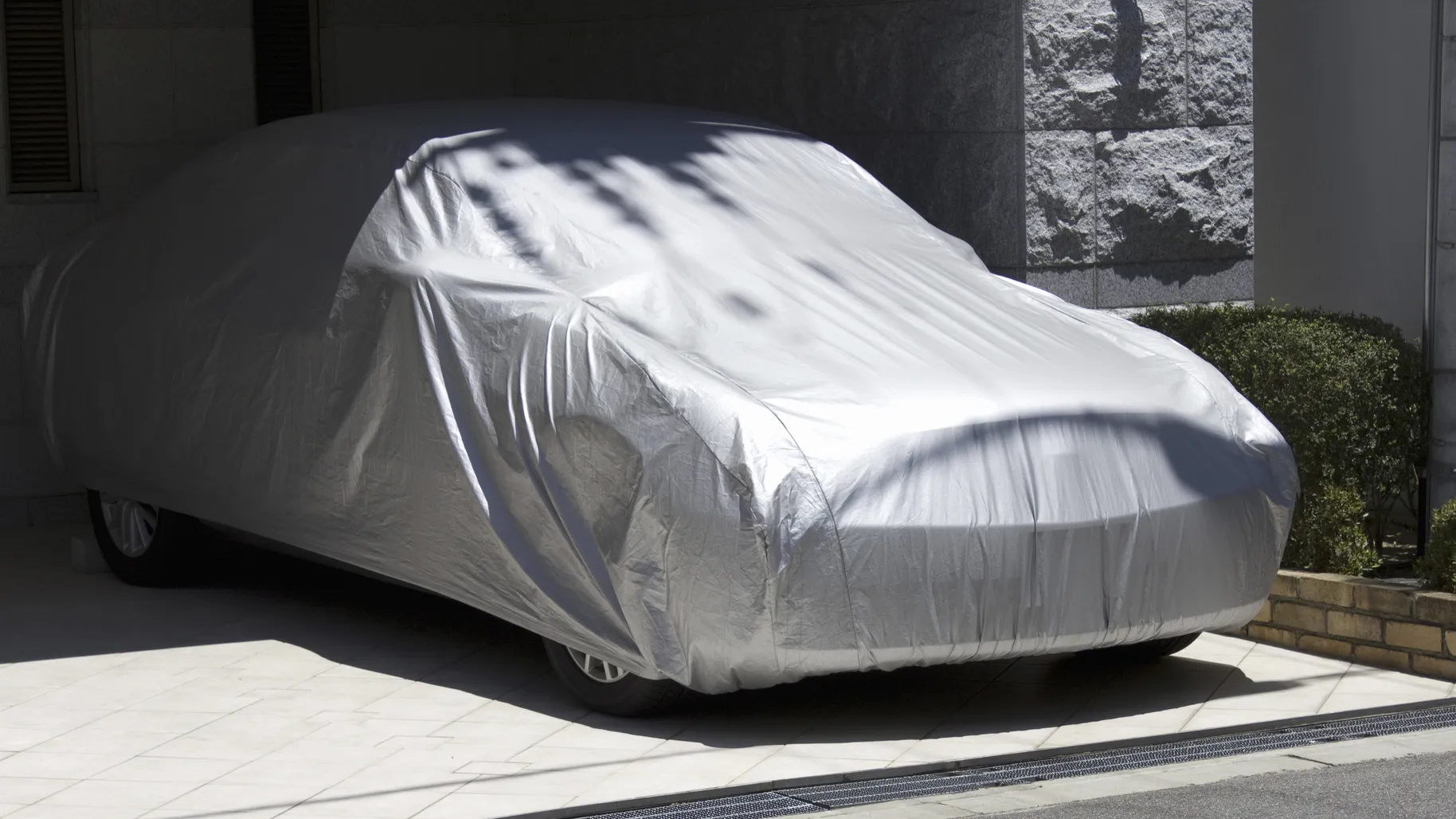
Some storage facilities allow vehicles, but often with strict requirements. Unregistered vehicles, leaking fluids and improperly stored tires can create safety, environmental and fire hazards. Tires, in particular, can degrade over time when exposed to fluctuating temperatures and might be restricted by some facilities due to disposal and safety concerns.
Before storing a vehicle or extra tires, review your facility's policies carefully. Many sites offer dedicated vehicle storage for cars, motorcycles, boats, RVs and ATVs, either in outdoor parking spaces or enclosed units.
These specialized storage options might provide additional security, protection from the elements and features such as battery maintenance or climate control. Choosing the right type of storage can help protect your property and prevent costly damage while it's not in use.
8. Live plants or animals
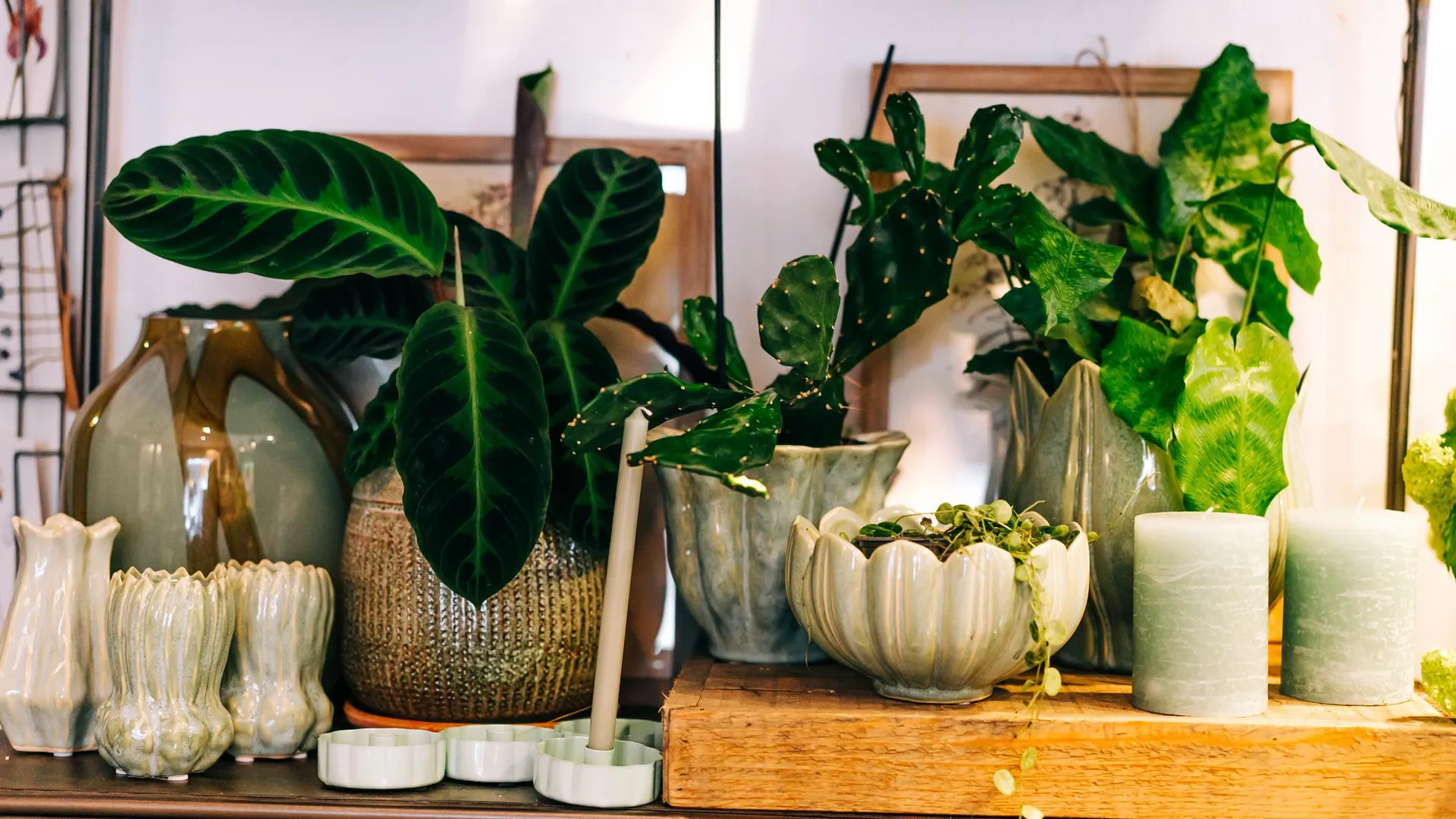
This might sound obvious, but it still happens. Storage units aren’t designed for living things. They lack ventilation, light and consistent temperatures.
These are conditions that can quickly become fatal for plants or animals. In addition to ethical concerns, this can also create sanitation issues and attract pests.
9. Wet or damp items
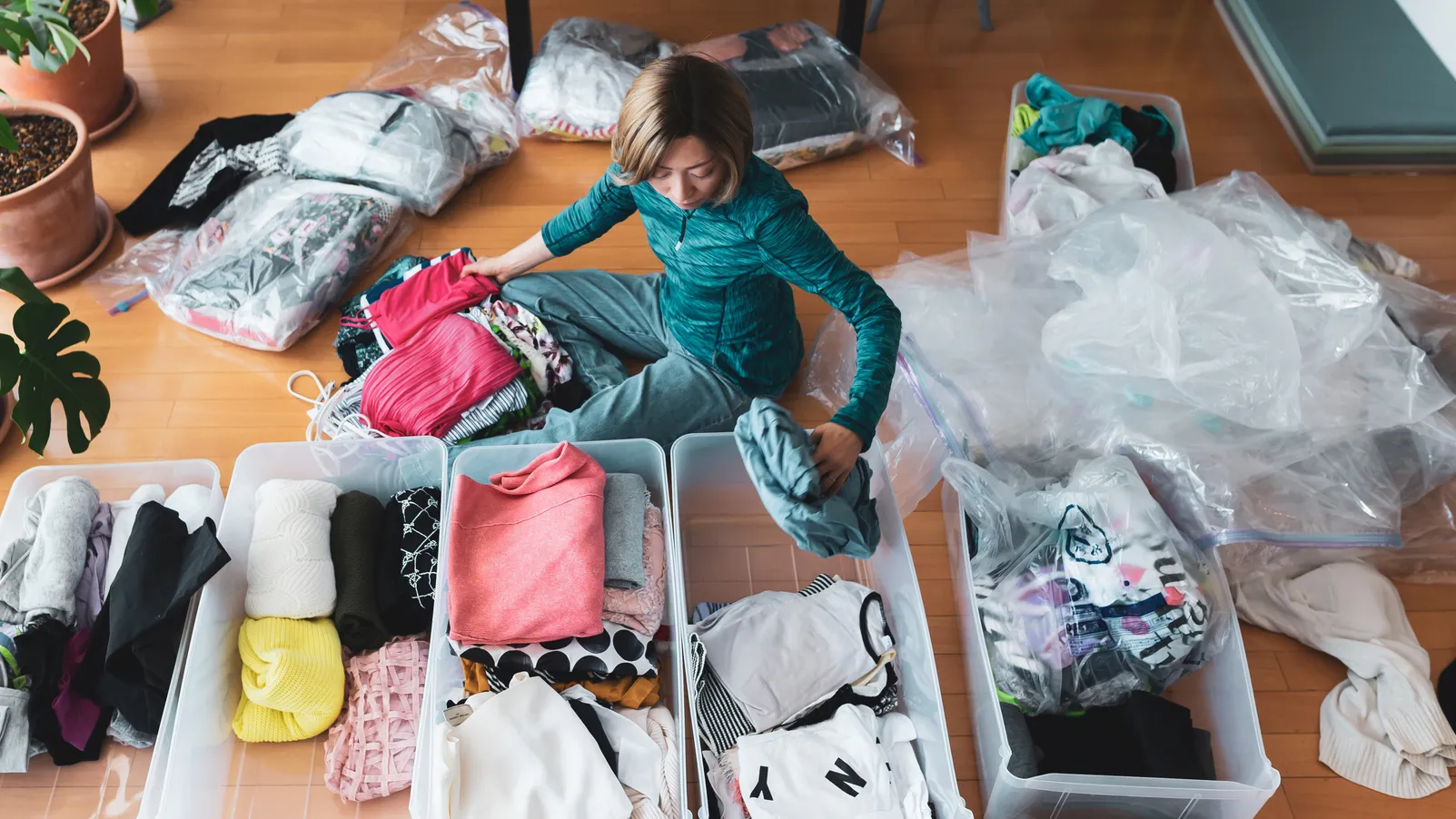
One of the most common, and costly, storage mistakes is putting items away before they’re completely dry.
That includes:
- Carpets or area rugs cleaned right before moving
- Recently used outdoor gear
- Appliances such as mini fridges or coolers
- Boxes packed during a rainy move
Moisture trapped in a sealed space creates the perfect environment for mold to grow. Once it starts, it spreads quickly. One damp item can ruin an entire unit.
10. Anything extremely valuable or irreplaceable
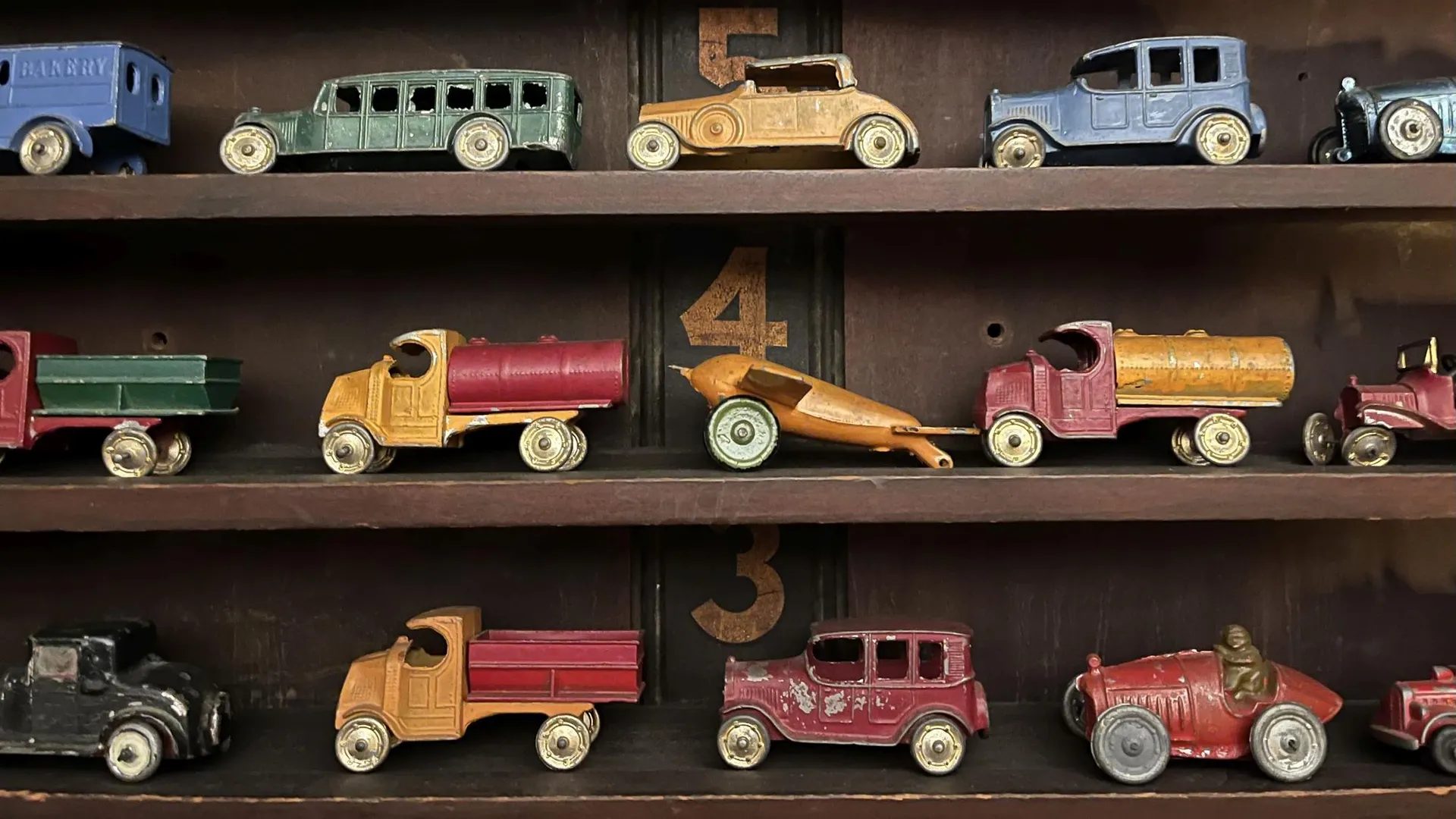
Even in a secure facility, storage units aren't immune to theft, fire, water damage or natural disasters. If an item has significant financial or sentimental value, think carefully before storing it off-site.
Insurance could help cover some losses, but coverage limits, exclusions and deductibles can leave you paying out of pocket. For many heirlooms, collectibles and family keepsakes, replacement simply isn't possible. When possible, keep valuable items in a location where you can monitor and protect them more closely.
If you choose to store high-value belongings, create a detailed inventory, take photos and keep records of their condition and estimated value. You might also want to review your homeowner, renter or storage insurance coverage and consider additional protection for valuable collections.
The real cost of storing the wrong items
A storage unit might seem as if it's a modest monthly expense, but the costs can add up quickly over time. Depending on the size, location and amenities, you could pay anywhere from $75 to $200 a month, or roughly $900 to $2,400 a year. Add-ons such as insurance, climate control and administrative fees can push that total even higher.
The bigger risk is paying to store items that lose value while they're sitting there. Moisture, temperature fluctuations and pests can damage belongings, turning a storage solution into an expensive replacement project.
Before signing a lease, consider whether the items you're storing are worth the ongoing cost and whether they'll still be in good condition when you need them again. Storage units can absolutely help you stay organized and create breathing room at home. But they’re not a catch-all solution.
Before you pack something away, ask yourself a simple question: Will this item hold up in a dark, enclosed space for months at a time?
If the answer is no, or even maybe, it’s worth finding a better option.
Related Content: