You are now subscribed
Your newsletter sign-up was successful
Want to add more newsletters?

Delivered daily
Kiplinger Today
Profit and prosper with the best of Kiplinger's advice on investing, taxes, retirement, personal finance and much more delivered daily. Smart money moves start here.

Sent five days a week
Kiplinger A Step Ahead
Get practical help to make better financial decisions in your everyday life, from spending to savings on top deals.

Delivered daily
Kiplinger Closing Bell
Get today's biggest financial and investing headlines delivered to your inbox every day the U.S. stock market is open.

Sent twice a week
Kiplinger Adviser Intel
Financial pros across the country share best practices and fresh tactics to preserve and grow your wealth.

Delivered weekly
Kiplinger Tax Tips
Trim your federal and state tax bills with practical tax-planning and tax-cutting strategies.

Sent twice a week
Kiplinger Retirement Tips
Your twice-a-week guide to planning and enjoying a financially secure and richly rewarding retirement

Sent bimonthly.
Kiplinger Adviser Angle
Insights for advisers, wealth managers and other financial professionals.

Sent twice a week
Kiplinger Investing Weekly
Your twice-a-week roundup of promising stocks, funds, companies and industries you should consider, ones you should avoid, and why.

Sent weekly for six weeks
Kiplinger Invest for Retirement
Your step-by-step six-part series on how to invest for retirement, from devising a successful strategy to exactly which investments to choose.
Money funds, bank deposit accounts and even Internet checking accounts no longer yield the interest rates they used to. Fortunately, there are still some places where you can earn up to 4% on savings if you're willing to take a little risk -- such as WorldCurrency CDs, just one of the savings options that we explore in Where to Stash Your Cash.
I've been saving for a new computer, so I know first-hand how little our money earns in traditional savings accounts. That's why I abandoned my brick-and-mortar bank for a higher-yield online account. We savers need to work hard to maximize our gains.
Here's an extra tip from Lisa Gerstner and Joan Goldwasser, authors of the Where to Stash Your Cash article: If you've already moved your savings to maximize your interest rates but still have cash tied up in a brokerage sweep account, you might also want to make some changes there. Most brokerages automatically sweep your cash into money market funds with abysmally low yields. Schwab and Fidelity are paying 0.01% on most of their money market accounts. E*Trade's Extended Insurance Sweep Deposit account is paying just 0.05%.
From just $107.88 $24.99 for Kiplinger Personal Finance
Become a smarter, better informed investor. Subscribe from just $107.88 $24.99, plus get up to 4 Special Issues

Sign up for Kiplinger’s Free Newsletters
Profit and prosper with the best of expert advice on investing, taxes, retirement, personal finance and more - straight to your e-mail.
Profit and prosper with the best of expert advice - straight to your e-mail.
Sometimes you can choose an account with a higher yield. For example, at E*Trade you can transfer funds to its Complete Savings Account and earn 0.15%, and if you have $25,000 in cash, you can earn the same rate in the Sweep-Max money market account. But it might make more sense to move your cash to a higher-yielding account at a bank or credit union and transfer it to your brokerage account when you want to buy securities.
-
 Stocks Sink With Alphabet, Bitcoin: Stock Market Today
A dismal round of jobs data did little to lift sentiment on Thursday.
-
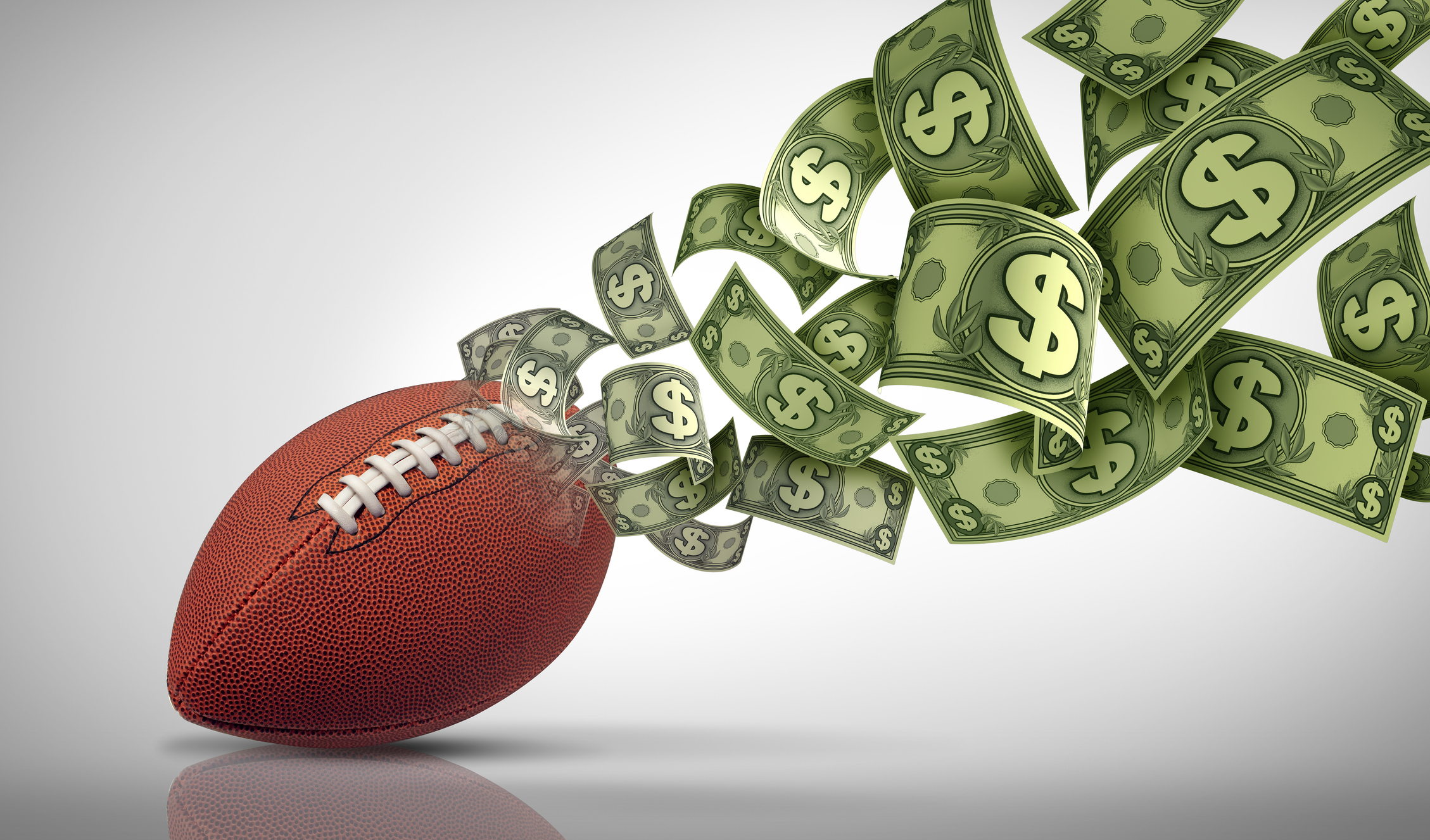 Betting on Super Bowl 2026? New IRS Tax Changes Could Cost You
Taxable Income When Super Bowl LX hype fades, some fans may be surprised to learn that sports betting tax rules have shifted.
-
 How Much It Costs to Host a Super Bowl Party in 2026
Hosting a Super Bowl party in 2026 could cost you. Here's a breakdown of food, drink and entertainment costs — plus ways to save.


-
 Five Ways to Save on Vacation Rental Properties
Travel Use these strategies to pay less for an apartment, condo or house when you travel.
-
 How to Avoid Annoying Hotel Fees: Per Person, Parking and More
Travel Here's how to avoid extra charges and make sure you don't get stuck paying for amenities that you don't use.
-
 The Advantages of Brokered CDs
Brokered CDs are certificates of deposit sold by brokerage firms that typically offer higher yields. But they don't come without some risk.
-
 Creating a Values-Based Financial Plan
personal finance More savers and spenders are thinking big picture when it comes to their financial decisions.
-
 How to Appeal an Unexpected Medical Bill
health insurance You may receive a bill because your insurance company denied a claim—but that doesn’t mean you have to pay it.
-
 Amazon Prime Fees Are Rising. Here’s How to Cancel Your Amazon Prime Membership
Feature Amazon Prime will soon cost $139 a year, $180 for those who pay monthly. If you’re a subscriber, maybe it’s time to rethink your relationship. Here’s a step-by-step guide to canceling Prime.
-
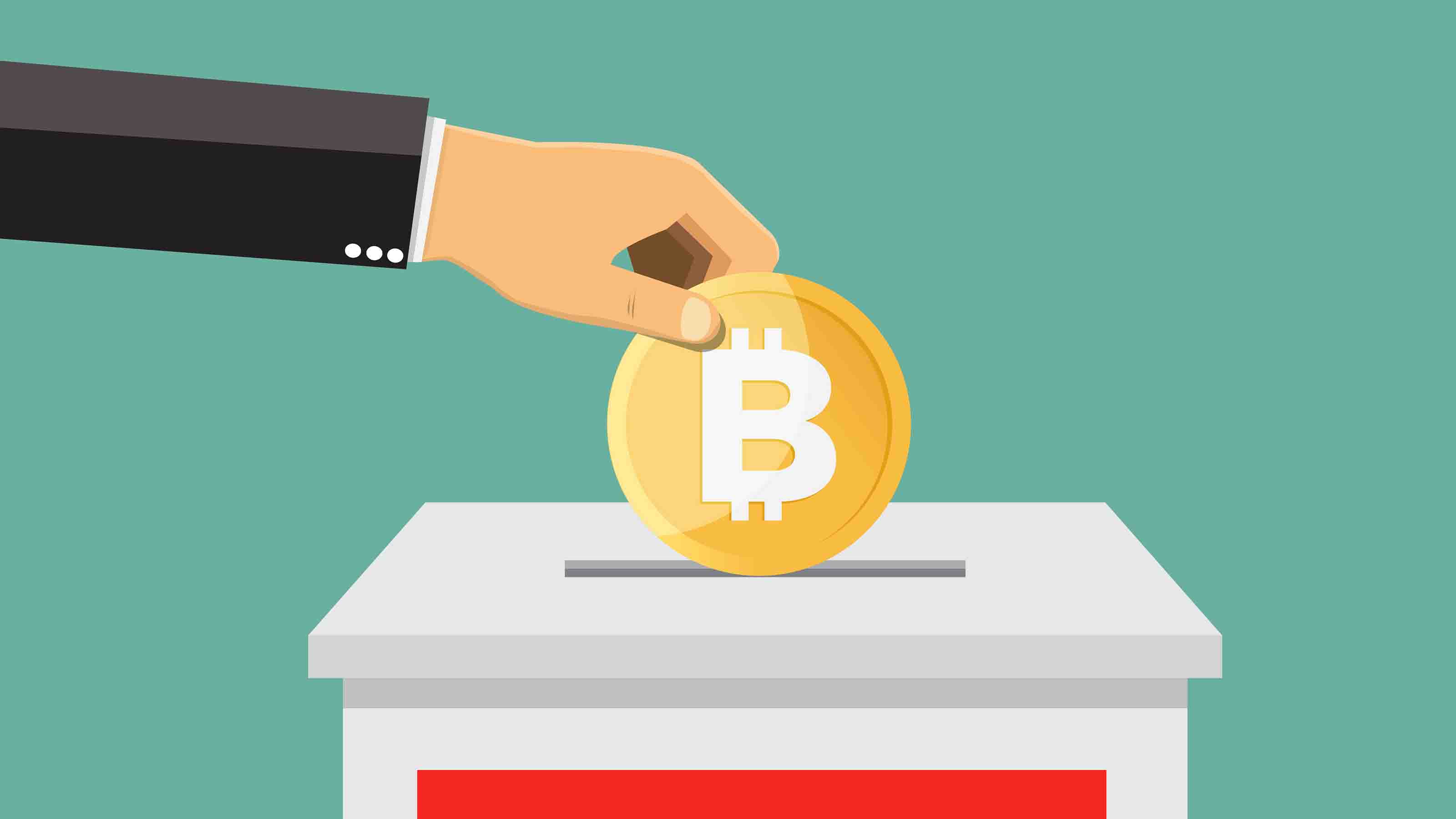 Donate Crypto for a Tax Break
Financial Planning If you're wondering how to avoid taxes from selling crypto that's appreciated significantly, one answer might be in a donor-advised fund.
-
 How to Haggle for Almost Anything
Smart Buying Learning how to haggle is an invaluable skill. These strategies will help you negotiate a better price for just about any product or service.


