Serving as Caregiver Takes Toll as You Age
Experts urge training, support and rest for aging caregivers as seniors caring for seniors in retirement becomes increasingly common.

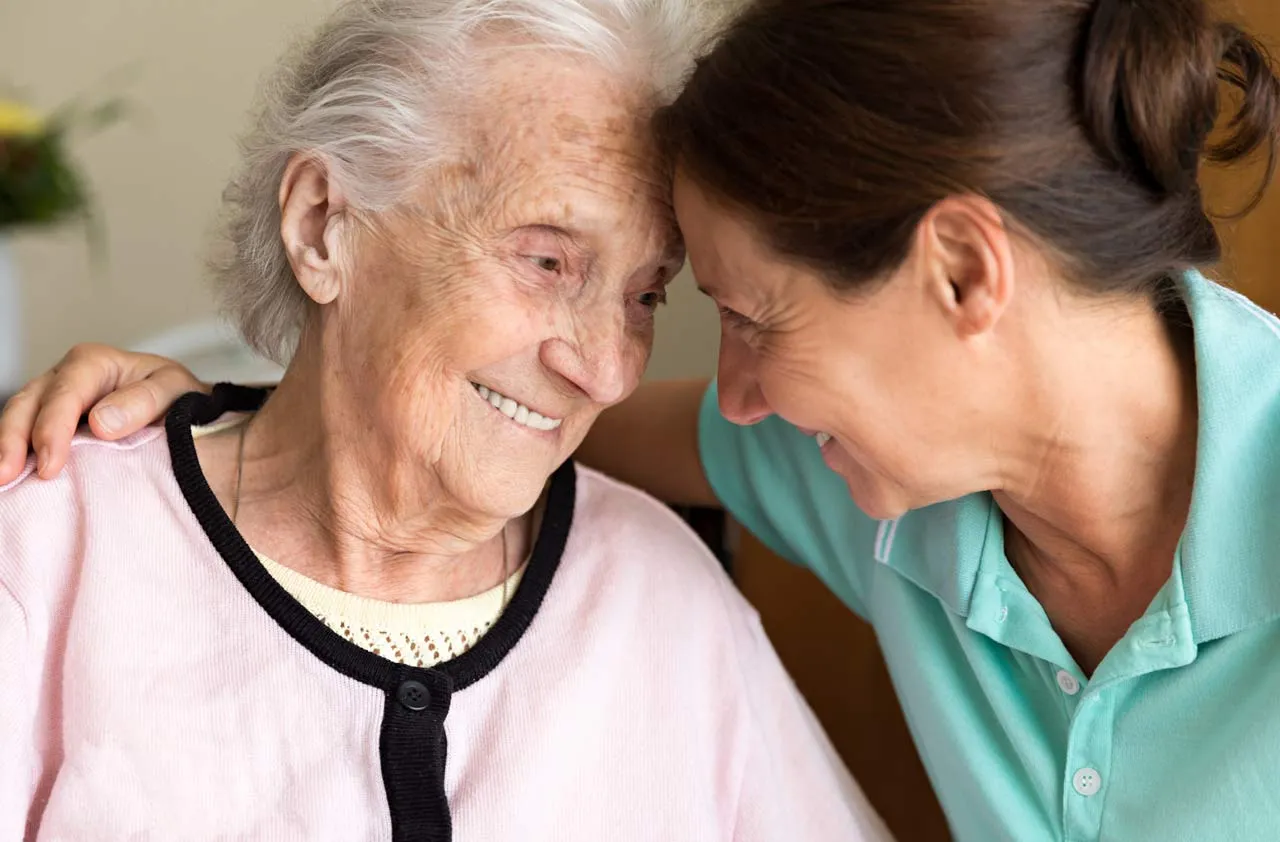
As people live longer, caregivers can expect to spend years caring for a spouse or even a parent. And older caregivers, many in their seventies or eighties themselves, often grapple with special challenges: their own failing health, isolation as friends die and physical tasks that can strain aging bodies.
Joe Searles, 76, has been caring for his wife, Jane, 74, since she began showing symptoms of Lewy body dementia in 2012. Bedridden for the past year, Jane cannot speak, does not recognize her husband and has no control over her bodily functions. Searles opted to keep Jane at home because he says he believes “a nursing home is not going to take care of her properly. She needs me, and I am there for her.”
Medicaid pays for an aide, who helps out eight hours daily. But Searles, who is being treated for a spinal condition, still performs painful physical tasks caring for his wife. Although he sees a couple of friends, he spends most of his time alone. When Jane became ill, Searles gave up his work as a professional entertainer specializing in Elvis impersonations. “I am a very positive person,” he says. “If I thought about myself, I probably would not be able to do it.”
From just $107.88 $24.99 for Kiplinger Personal Finance
Become a smarter, better informed investor. Subscribe from just $107.88 $24.99, plus get up to 4 Special Issues

Sign up for Kiplinger’s Free Newsletters
Profit and prosper with the best of expert advice on investing, taxes, retirement, personal finance and more - straight to your e-mail.
Profit and prosper with the best of expert advice - straight to your e-mail.
Searles, who lives in Virginia Beach, Va., is part of what experts say is a growing trend: seniors caring for seniors. About 7% of caregivers are 75 or older, typically a woman caring for a husband or other adult relative, according to a 2015 report by the National Alliance for Caregiving and the AARP Public Policy Institute. About three million seniors spend about 34 hours a week helping with such arduous tasks as bathing, dressing and using a toilet.
For many older caregivers, physical chores, such as helping a spouse from a bed to a chair, can lead to falls and other injuries. Amanda Hartrey is a family consultant with the Family Caregiver Alliance in San Francisco. She recalls one woman with severe arthritis who was caring for her husband telling her that her hip and head were bothering her. “Wives will sacrifice their own health to keep their husbands at home,” Hartrey says. “Because they often put off their own care, they get sicker and die earlier than non-caregivers.” Also, changing colostomy bags, giving injections and performing other nursing tasks can be daunting, she says, “when you’re older and not getting enough sleep.”
To find help, older caregivers should contact the local Area Agency on Aging to check out discounted services in their community. Those with few financial resources may qualify for a home aide under Medicaid. Medicare covers a certain amount of physical and occupational therapies.
Caregivers also should look to associations that focus on their loved one’s medical condition, says C. Grace Whiting, president of the National Alliance for Caregiving. These groups offer caregiver training, support groups and advice on how to address the needs of a person with a specific disease. A wife with cancer, for example, may feel better emotionally if the caregiver husband takes time to listen to her concerns. “There is a lot of research that shows that some types of supports are better than others,” she says.
Home alone all day with a loved one, older caregivers tend to be more isolated—and thus more depressed—than younger caregivers. “I can’t stress enough the importance of having social networks,” says Whiting. Asking a friend—or hiring a home aide—to take over for a few hours can provide the respite a caregiver needs to improve mental health, she says.
Because older caregivers need all the strength they can get, experts recommend that they eat well, visit their own doctor and exercise, perhaps taking a tai chi class to help prevent falls. Says Hartrey: “I’ll tell people, ‘If something happens to you and you die, it doesn’t help anyone.’ ”
Tips for Older Caregivers
- Reduce loneliness by joining support groups and seeing friends.
- Seek occasional respite by hiring an aide or placing a loved one in adult day care.
- Get training on the best ways to protect against falls and back injuries.
- Ask a professional for instructions on cleaning a wound and other nursing tasks.
- Use technology for reminders of medications, appointments and chores.
