How To Save Money
News, insights and expert analysis on how to save money from the team at Kiplinger.
Explore How To Save Money
Latest

-
 How Much Should You Save in An Emergency Fund?
We'll show you how much to save in an emergency fund and strategies to help you reach your goals.
By Sean Jackson
-
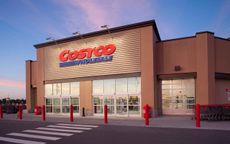 10 Worst Things to Buy at Costco
Smart Buying Costco gets big ups from shoppers and shopping experts alike for its high-quality products and low prices. However, it's not always the wisest choice to buy these products in bulk.
By Bob Niedt
Smart Buying -
 What Is an Assumable Mortgage and Could It Save You Thousands?
Learn how assumable mortgages work, who qualifies and when taking over a seller's loan could save you money.
By Choncé Maddox
-
 NYC Proposes $3k College Fund Plan: Does Your State Offer Aid?
From NYC's proposal to Trump Accounts and state-sponsored baby bond programs, governments are helping children build savings long before they reach adulthood.
By Sean Jackson
-
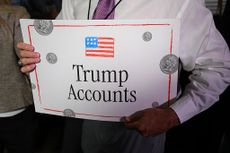 Should You Start a Trump Account for Your Child?
Trump Accounts will launch on July 4, 2026. Here, we look at whether you should sign your kid up.
By Charles Lewis Sizemore, CFA
-
 How to Watch the NBA Finals 2026: Knicks vs Spurs
The 2026 NBA Finals are here. Learn how to watch the Knicks vs Spurs championship series live on ABC and streaming services.
By Carla Ayers
-
 How T-Mobile's International Perks Compare to Other Providers
Sponsored
T-Mobile offers travel perks on certain plans. Are the plans worth the price compared to other options?
By Sean Jackson
-
 Why So Many Gen Xers Feel Financially Stuck — And What You Can Do About It
Many Gen Xers worry they haven't saved enough, but experts say there is still time to strengthen retirement finances.
By Paige Cerulli
-
 How to Buy a Used Car From a Private Seller Without Getting Burned
Private-party car sales can save you money, but they also come with fewer protections. Here’s how to avoid costly mistakes.
By Paige Cerulli


