Features

-
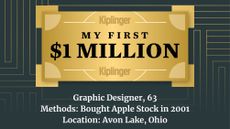 My First $1 Million: Graphic Designer, 63, Avon Lake, Ohio
"This money brings me security. I don't wake up in the middle of the night, wondering how I'm going to live."
By Joyce Lamb
-
 Tax Strategies for 4 Types of Real Estate Investors
Not every real estate investor needs the same playbook. Here's how to match your situation to the right tax-advantaged real estate strategy.
By Daniel Goodwin
-
 How to Build a 'Launch Fund' for Your Kids or Grandkids
From 529 rollovers to custodial accounts, financial experts explain how to set young adults up for true financial independence.
By Maurie Backman
-
 How to Prepare Yourself and Your Family for Long-Term Care
Long-term care involves dealing with doctors, managing medications, arranging transportation and finding a facility. How should you and your family prepare?
By Chad Ensign, Investment Adviser Representative
-
 The 7 Best-Paying Side Gigs For Retirees
If you're worried you won't have enough saved for a comfortable retirement, or that life after work will be boring, these well-paid roles could be the answer.
By Brian O'Connell
-
 Estate Planning Checklist: 13 Smart Moves
Follow this estate planning checklist to hold on to more of your hard-earned money for both you (and your heirs).
By Janet Kidd Stewart
-
 Don't Miss Out! A Quiz on Medicare Enrollment Deadlines
Quiz Test your basic knowledge of Medicare enrollment periods in our quick quiz.
By Donna LeValley
-
 Already Maxed Out Your 401(k) in 2026? Here's What to Do Next
Maxed out your 401(k) contributions, but still want to tuck away more money for retirement before year-end? Here are seven ways you can take advantage of being a super saver.
By Kathryn Pomroy
-
 Where to Find Financial Advice Without the Sales Pitch
The Garrett Planning Network of financial professionals aims to break down the barriers stopping ordinary Americans from getting the unbiased guidance they need.
By David Bromelkamp
-
 How Advisers Can Focus on Existing Clients for Growth
Growth for financial advisers isn't just about new prospects — it's about deepening trust with existing clients so you earn the right to guide their next move.
By Shannon Larson
-
 Ask the Tax Editor: Questions on Vehicle Expenses
Ask the Editor Kiplinger editor Joy Taylor answers readers' questions about deducting vehicle expenses, including the standard mileage allowance.
By Joy Taylor
-
 The Psychological Benefit of Guaranteed Income
Sponsored by Jackson National
Outliving money in retirement is a real fear for many people. Guaranteed income can give them peace of mind and permission to spend. Here's how.
By Donna Fuscaldo
-
 Tax-Efficient Retirement Income Strategies
Protecting clients' retirement income requires proactive tax management, optimized Social Security timing and flexible withdrawal strategies.
By Myles J. McHale, Jr. AIF®, CRPP®
-
 15 Money-Saving Travel Tips for Retirees
Globetrotting in your golden years doesn't have to cost a fortune. Here are 15 ways to cut down on your travel expenses.
By Jackie Stewart
-
 Best 529 Plans of 2026
Check out the best 529 plans of 2026 to find the best plan for your child or grandchild’s college savings.
By Erin Bendig
-
 Use the 529 'Grandparent Loophole' To Maximize College Savings
How the 529 grandparent loophole lets you fund a grandchild’s college education without impacting their financial aid.
By Erin Bendig
-
 Kiplinger Retail Outlook: Consumers Keep Spending, but…
Economic Forecasts Strong retail sales gains appeared across the board, but tighter budgets are coming.
By David Payne
-
 10 States With the Lowest Property Tax Rates in 2026
Property Tax While the national average is climbing, homeowners in these states pay less than 0.53%. Compare your current tax bill against the 2026 rankings.
By Kate Schubel
-
 Kiplinger ESG 20: Our Favorite ESG Stocks and Funds for Investors
Many of our favorite stock and fund picks that focus on environmental, social and corporate governance issues have struggled. But the worst may be over.
By David Milstead
-
 Your 2027 Medicare Open Enrollment Guide: Essential Dates and Notices
Learn how to read your annual Medicare notices, track critical deadlines and choose the right health and drug coverage before the December 7 deadline.
By Donna LeValley
-
 Turning 65? 5 Common Medicare Mistakes to Avoid
"Medicare will happen when I turn 65. I don't need to think about it, right?" Wrong. Get up to speed with the system now to prevent stress and save money later.
By Jeremy Keil, CFP®, CFA®, CKA®
-
 All 30 Dow Jones Stocks Ranked: Buy, Sell or Hold?
blue chip stocks Nvidia, Amazon and Microsoft lead the list of Wall Street's top Dow Jones stocks to buy now. Some other names might surprise you.
By Dan Burrows
-
 Is an $80K Pool the Best Way to Lure the Grandkids Over?
With $1.1 million in the bank, the math on a new $80K pool might work, even if you're retired. But is a year-round maintenance commitment the best way to see your grandkids?
By Maurie Backman
-
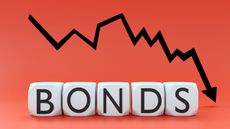 What to Make of the Bond Market Rout
The U.S. is now paying its highest interest rates on long-term debt in decades, but there is no rush to the exits. Here's what this means for investors.
By Jeffrey R. Kosnett
-
 Do This Before Acting on AI Financial Advice
You can ask AI for financial advice, but it doesn't have all your details, so you should be cautious about the response. Here's a better way to approach it.
By Seth Miller, CFP®, CEPA
-
 What the Midterms Mean for Your Stock Portfolio
Midterm elections can move headlines. History says they shouldn't move your portfolio.
By Dan Burrows
-
 Chasing Hot Stocks Is Not a Shortcut: 3 Keys to Real Wealth
Chasing hot IPOs and stock trends can be risky. True financial security relies on a disciplined, long-term process of steady saving and smart risk management.
By John Vandergriff
-
 What Are the Smartest CDs to Consider Right Now?
With the Fed hiking rates, savers can earn a substantially higher APY on CDs. Here are the three wisest ones to consider right now.
By Sean Jackson
-
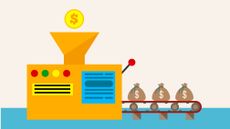 Turn a $1 Million Nest Egg Into a Lifetime Income Machine
The paychecks may stop, but the income shouldn't. Master the art of the "income machine" to fund your dream retirement.
By Adam Shell


