We Love Hosting at Our $3.2M Beach House, but Inflation Is Forcing a Choice: Cut Back or Tap Retirement Savings?
We asked financial advisers if its ok for this 63-year-old couple to maintain the status quo, even when prices are rising.


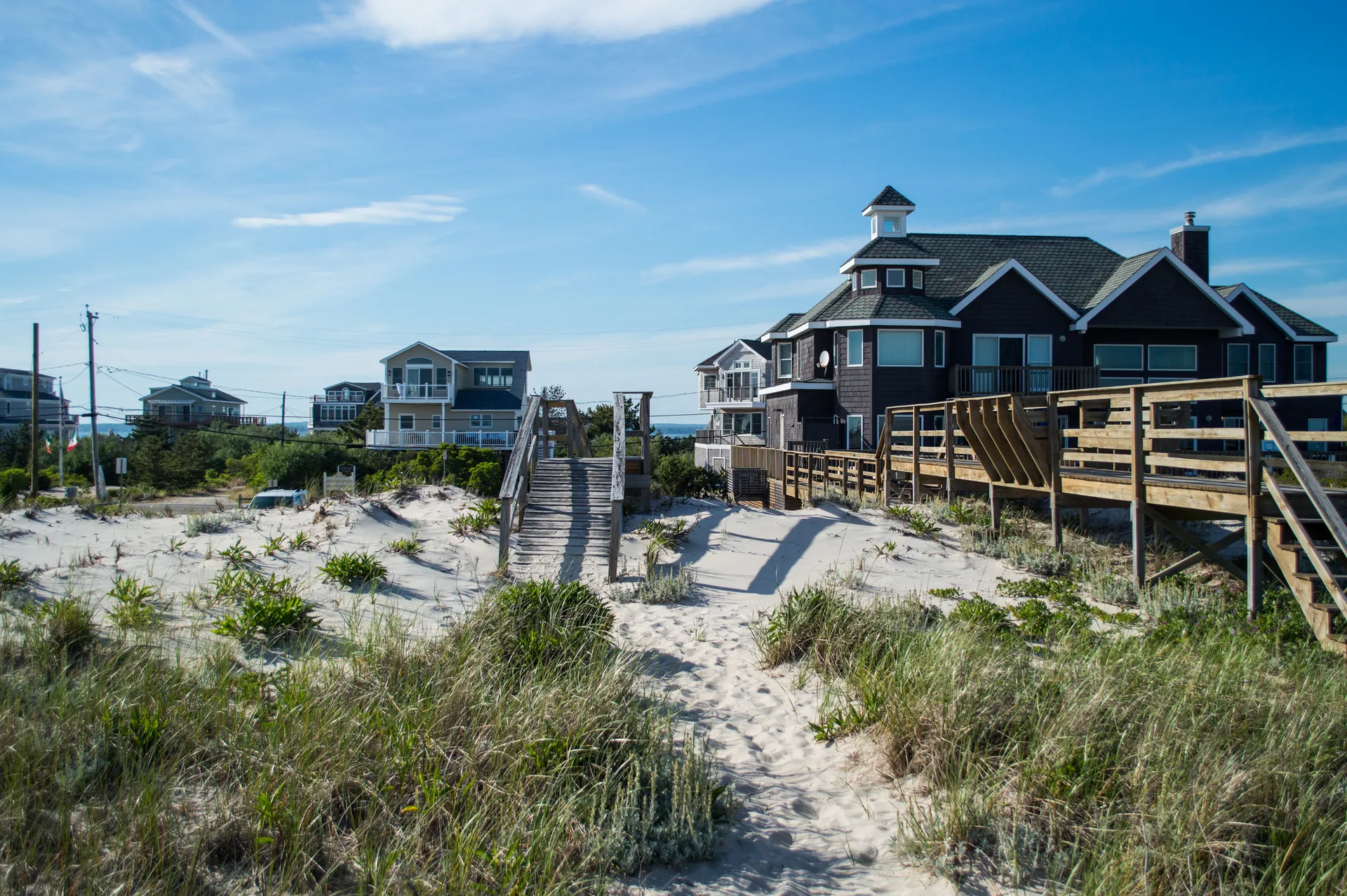
Question: I am a 63-year-old, retired dad of three adult children. I spend most of my time with my wife at our brownstone in New York City, but we are also lucky enough to have a $3.2 million beach house in Hampton Bays, New York. We spend the summer there, hosting friends and family.
With prices rising on everything from gas to groceries, I'm not sure if we can afford to entertain all summer.
We don't want to say no to anyone; we look forward to it all year. But either we are going to have to cut back or tap into our retirement savings to make it work this year. What should we do?
From just $107.88 $24.99 for Kiplinger Personal Finance
Become a smarter, better informed investor. Subscribe from just $107.88 $24.99, plus get up to 4 Special Issues

Sign up for Kiplinger’s Free Newsletters
Profit and prosper with the best of expert advice on investing, taxes, retirement, personal finance and more - straight to your e-mail.
Profit and prosper with the best of expert advice - straight to your e-mail.
Answer: It is understandable to be worried about hosting this summer amid rising prices. Everything from heating your pool to feeding your guests will be more expensive.
Let's not forget utilities, maintenance, supplies, entertainment, and staff, to name just a few of the costs associated with operating a multi-million-dollar beach house in the Northeast. With everything more expensive, it's no wonder you're concerned about blowing your budget.
As you know, there are two options in this scenario — cut back on entertaining or spend more — but before we get into either choice, Pam Krueger, founder and CEO of Wealthramp, wonders if there isn't something bigger happening. Are your concerns actually the early cracks in your financial foundation?
"You have to stop and ask yourself: is this lifestyle the right size for me?" says Krueger. "Do you feel like this is a superficial cut back, or are things changing with your financial situation?"
If it's the latter, Krueger says it's time to check your financial plan and gauge whether owning the $3.2 million beach house is helping or harming your financial well-being.
Even if gas, electricity and food prices come down, you still have to pay property taxes, insurance and potentially a mortgage. Can you afford it? Will this year's worries spill into next year?
"If wealth equals freedom, does owning this expensive asset equal freedom, or is it infringing on your freedom and becoming a stress point?" says Krueger.
Summertime dilemma: cut back or spend more?

If it is truly a short-term concern, your options this summer are to cut back or spend more.
If you want to save money by curbing your expenses, you can't worry about keeping up with the Joneses. Instead, create new boundaries and expectations for yourself, friends and family, and stick to them.
"People can still come, but they don't need to come every weekend. The season doesn't have to be from Memorial Day to Labor Day," says Krueger.
Easy ways to save — in addition to shortening the season — include lowering the temperature on the heated pool, cutting back on the landscaping and hired staff and hosting potluck dinners or casual meals.
Guests don't have to use the spare car to go into town three times a day and you don't have to stock every guest bathroom with high-end toiletries. Cuts here and there can go a long way in saving you serious cash.
"Everything doesn't have to be polished every minute," says Krueger. "You don't have to have everything up and running all season."
Be careful how you spend more
If you don't want to cut corners and prefer to maintain the status quo, you can withdraw money from your savings account to cover the difference.
But financial advisers say this makes the most sense only if you have extra money to spare, already have three to six months of emergency funds set aside and can withdraw it from a short-term bucket designed for these types of situations.
The last thing you want to do is take money from the growth portion of your retirement savings account, especially if we're in a down market. You are early in retirement at 63. If you withdraw money that is supposed to be growing and compounding, you could have less to live off of later.
"There should be a big emphasis on cash planning," says Matt Coursen, a relationship manager at Plante Moran Financial Advisors. "You want to make sure you have adequate cash for those short-term expenses that might come up."
Having money easily accessible in a high-yield savings account, money market account, or CD is one way to cover any unexpected expenses brought on by inflation.
Coursen said to also be mindful of the tax implications of withdrawing extra money in retirement.
"It might push you into a higher tax bracket, increase your Medicare premiums or make your Social Security taxable," he said. "There's a lot to think about."
Don't feel guilty

If you find you have to cut corners and/or spend more, don't beat yourself up about it. You are supposed to enjoy your retirement, and if hosting friends and family is what brings you joy, don't apologize.
Just make sure you are separating your wants from your needs and that your needs are taken care of.
After that, if your wants include a $3.2 million beach house in the Hamptons where friends and family hang out all summer long, then take in the sun and fun, even if it has to be a shortened season.
Related Content
- I'm 74 With a Beloved Dog, But I Don't Trust My Adult Kids to Care for My 'Third Child' If I Die. What Should I Do?
- We thought our retirement budget was set, but these 6 'spring surprises' are costing us a fortune
- Retire in the Hamptons: Finding the Right Town For Your Budget
- The 'Wait-to-Win' Rule of Retirement Spending