4 Financial Mistakes That Can Haunt Your Wallet
Avoid these frightening financial missteps before they return to haunt your budget.


Scary stories are fun entertainment, but real-life money scares often take a much quieter form: Sneaky financial oversights that creep up when you least expect them.
While fictional monsters are easily forgotten once the lights turn on, financial blunders can linger in the shadows and take years to recover from.
Here are four overlooked financial mistakes that could haunt you now and into the future.
From just $107.88 $24.99 for Kiplinger Personal Finance
Become a smarter, better informed investor. Subscribe from just $107.88 $24.99, plus get up to 4 Special Issues

Sign up for Kiplinger’s Free Newsletters
Profit and prosper with the best of expert advice on investing, taxes, retirement, personal finance and more - straight to your e-mail.
Profit and prosper with the best of expert advice - straight to your e-mail.
The haunting of neglected home repairs
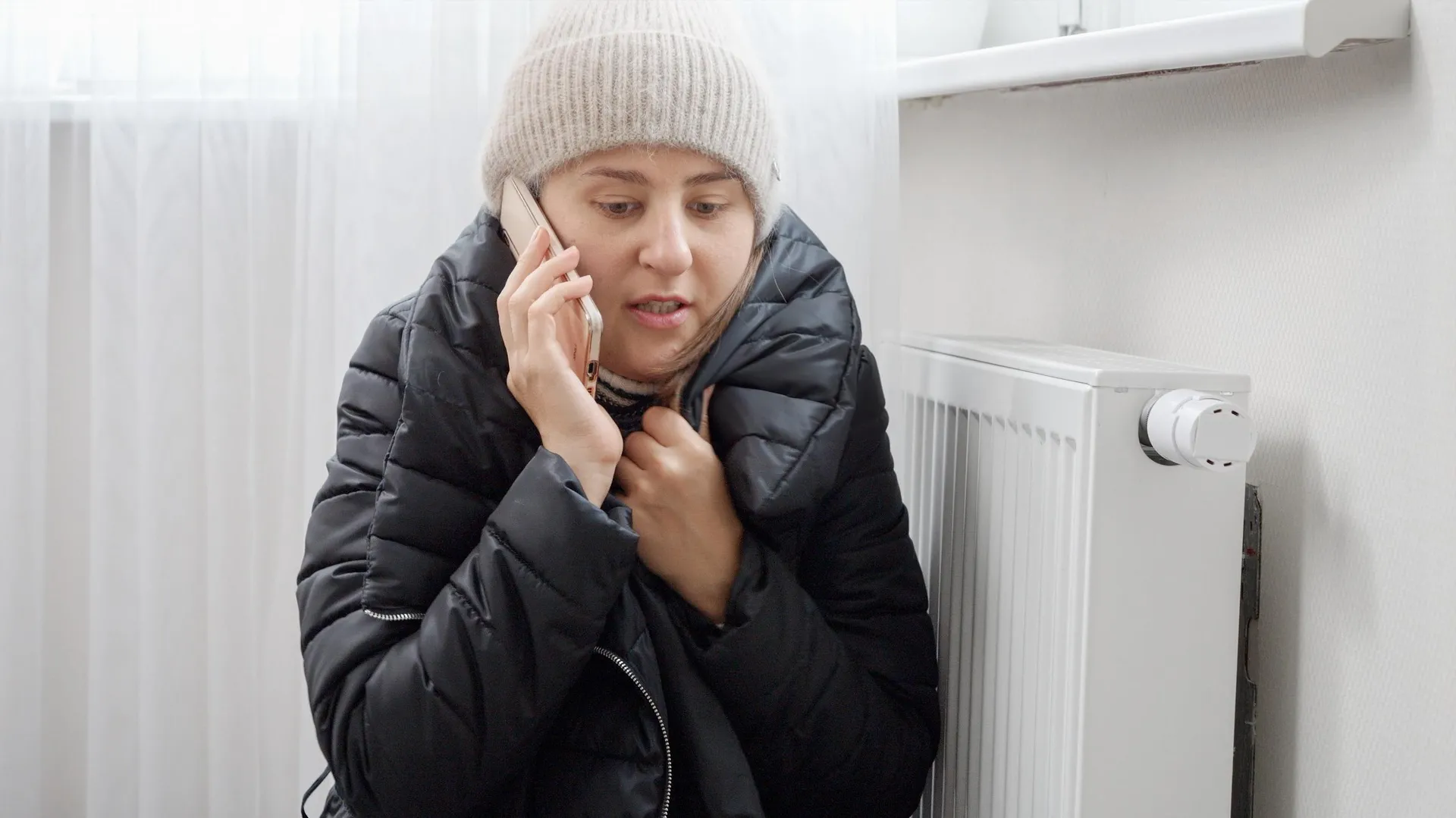
One of the first things you learn as a homeowner is that maintenance is an ever-evolving (and seemingly endless) list of things to do that changes with the seasons. With winter around the corner, you might think your older furnace is in good shape and decide to forgo its maintenance.
However, this seemingly harmless omission could become an expensive problem down the road. See, doing the small things, such as seasonal HVAC inspections, can help technicians identify small issues before they morph into more expensive ones down the road.
A new furnace can cost between $2,823 and $6,897 per Angi. That's a cost you could avoid by preparing your home for winter in advance. Along with HVAC inspections, do the following:
- Reverse your ceiling fans so they push warm air downward instead of upward, lessening the work your furnace has to do
- Inspect your roof and replace any warped or damaged shingles to prevent leaks. If you don't feel comfortable climbing, hire a professional to handle the job for you.
- Clean the gutter to eliminate water damage impacting your home's roof, siding or wood trim
- Use a pocket thermal camera to scan windows, doors and your HVAC unit for any leaks. These connect to your smartphone, or you can buy a handheld model, showing heat maps of your home, so you can find any variations or cool zones where energy leaks occur.
Need help choosing a pocket thermal camera? Here are some of the top options, based on customer ratings, capabilities and price:
Camera Model |
Price |
Connectivity |
Special Features |
~$129 |
USB-C (Smartphone direct plug) |
Dual home and automotive diagnostics, high-resolution color-coded thermograms |
|
~$249 |
USB-C / Lightning |
MSX® image enhancement, scene temperature measurement up to 120°C |
|
~$159 |
Handheld |
When temperatures exceed preset levels, an on-screen warning alerts you instantly while automatically capturing a photo to streamline your diagnostics. |
Meanwhile, if you plan to do a side gig to supplement income or freelance, don't make this mistake.
The phantom tax curse for the self-employed
Whether you work as a freelancer or do side hustles to help make ends meet, know that any income over $400 must be reported to the IRS. Self-employment taxes are also higher, at 15.3%, because you don't have an employer splitting the taxes with you.
That's why it can feel easy to forgo holding back any money to pay your taxes. Yet, when it comes time to file, you'll have a surprise awaiting you. And it will be hefty.
The IRS allows self-employed individuals to make quarterly payments, with the fourth quarter due on January 18, 2027. I recommend opening a separate savings account to store your tax liability, then use IRS Direct Pay to make your quarterly payments.
Meanwhile, if you plan to have significant deductions, look for accountants who specialize in working with self-employed individuals. They can take this headache off your plate so you have peace of mind knowing that when April comes, you won't owe the IRS, or your state, a kidney.
And remember: Just because you consider it a hobby doesn't mean the IRS does.
"Buy now, pay later" purgatory
Many buy now, pay later apps, such as Klarna and Afterpay, allow you to break down payments into manageable installments. This might work in a pinch if you have a surprise expense and don't have the cash or credit to pay for it.
However, it's easy to hop on the wheel and difficult to hop off. Also, keep in mind that each app charges fees in addition to whatever you finance per purchase. These fees raise the total borrowing costs, making it more expensive than paying outright or charging a credit card and then paying it off.
So, it becomes a case where you're paying more than the value of the product or service due to its convenience. That's why I recommend setting aside money in an emergency fund (if applicable) to help cover expenses.
Even if it's only $10 every week or two, that can add up fast. To do this, open a high-yield savings account, then set automatic transfers from your checking to your savings account on payday. Doing this allows your money to remain in an account that's there when you really need it.
For savings accounts, here are the top picks:
Account |
APY |
Min. opening deposit |
4.20% |
$0 |
|
4.20% |
$0, but you need to deposit $250 each month to qualify for highest APR |
|
4.05% |
$100 |
|
4.00% |
$1,000 |
Blindly trusting a financial adviser

Handing over the keys to your life savings without asking questions can be nightmare fuel.
That's why it's important to take your time, research each adviser and look for the following things:
- Fiduciary: A fiduciary is someone who wants to help you reach your financial goals without the hidden motivation of pushing specific investments to earn a commission.
- Personal approach: When you meet with advisers, look for ones who really want to get to know you, your money goals and values. This makes it more likely they'll tailor solutions that help you reach your goals instead of making suggestions that could help them more than you.
- Regular touch bases: Financial goals can change like the seasons, so look for one who wants to have regular meetings to ensure your current plans align with your goals.
- Know when to go: If your adviser is too busy to answer your calls or your portfolio isn't performing well, it's time to cut them loose and try someone else.
If you don't have any adviser, you can use this Bankrate tool to find a reputable one quickly:
While this is the season of scary stories, don't let your finances mirror the season. Using these tips can help you avoid common, overlooked financial errors that can derail your goals and haunt you for years to come.
Related content